In the realm of food storage and preservation, food packaging bags play an indispensable role. Their core demands revolve around extending the shelf life of food, isolating external contaminants, maintaining the original flavor of ingredients, and facilitating convenient storage and transportation. However, ordinary food packaging bags often fall short in certain aspects, such as insufficient barrier properties against oxygen and moisture, or poor thermal insulation. This is where aluminum foil steps in as a game - changer.
Aluminum foil boasts unique advantages that make it an ideal complement to food packaging bags. Its high barrier property effectively blocks oxygen, moisture, and even light, preventing food from spoiling due to oxidation or moisture absorption. The excellent thermal conductivity of aluminum foil also allows it to assist in temperature control, whether for keeping food warm or cold. Additionally, its good plasticity enables it to be easily cut, folded, and shaped to fit different sizes and shapes of food packaging bags.
In this article, we will explore 15 surprising uses of aluminum foil, all centered around enhancing the functionality of food packaging bags. These uses will cover various aspects such as extending food freshness, preventing food damage, improving temperature control, and facilitating convenient use, helping you unlock the full potential of the combination of aluminum foil and food packaging bags in daily life.
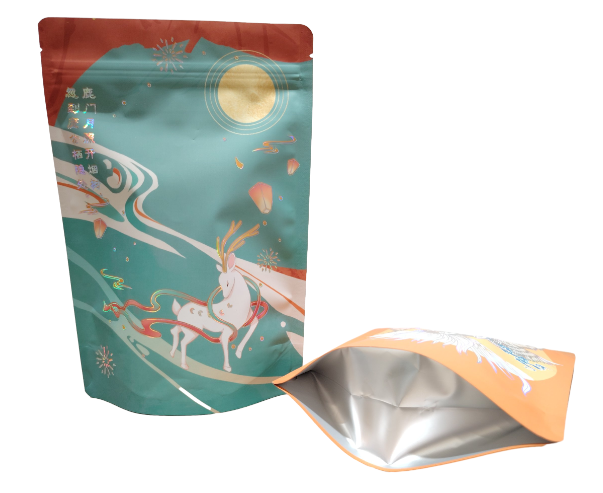
I. Enhancing the "Freshness and Flavor Locking" Function of Food Packaging Bags
(1) Adding a Layer of Aluminum Foil to Ordinary Food Bags to Extend the Shelf Life of Fresh and Cooked Foods
Operation Method: First, measure the size of your ordinary
food bag. Then, cut a piece of aluminum foil that matches this size. You can either place the aluminum foil at the bottom of the food bag as a lining or wrap the food tightly with the aluminum foil before putting it into the food bag. Make sure the aluminum foil covers the key parts of the food that are prone to spoilage.
Applicable Scenarios: This method is particularly suitable for packaging perishable foods such as meat (beef, pork, chicken), seafood (fish, shrimp, crabs), and baked goods (cakes, cookies, bread). Meat and seafood are highly susceptible to oxidation and bacterial growth when exposed to air, while baked goods tend to lose moisture and become stale quickly. The aluminum foil acts as a barrier, preventing oxygen and moisture from reaching the food.
Comparative Advantages: Compared to using ordinary
plastic food bags alone, adding a layer of aluminum foil can extend the shelf life of food by 2 - 3 days. Moreover, aluminum foil has a good sealing property that can prevent the cross - contamination of flavors between different foods. For example, when storing cooked fish and leftover chicken in the same refrigerator, using aluminum foil - lined food bags for each can avoid the fishy smell of the fish transferring to the chicken.
(2) The Combination of Aluminum Foil and Food Bags to Lock in the "Fresh Taste" of Frozen Foods
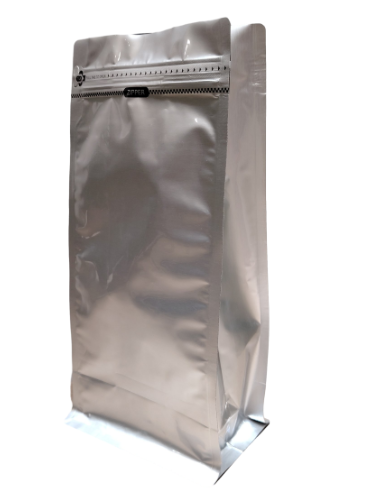
Operation Points: Before freezing food, take the food (such as steaks, dumplings, or vegetables) and wrap it tightly with aluminum foil. Ensure there are no gaps in the wrapping to prevent air from entering. Then, place the aluminum - wrapped food into a sealed food bag. Squeeze out as much air as possible from the food bag before sealing it tightly. For foods with irregular shapes, you can mold the aluminum foil to fit the shape of the food during wrapping.
Core Function: One of the main problems with freezing food is "freezer burn". Freezer burn occurs when food is exposed to air in the freezer, causing the moisture in the food to sublime. This leads to the food becoming dehydrated, dry, and tough, and also affects its taste and nutritional value. By wrapping the food with
aluminum foil first, we create a tight barrier that prevents air from coming into contact with the food surface. The sealed food bag further enhances this barrier, effectively preventing freezer burn. When the food is thawed, it can still retain its original texture and flavor.
Practical Case: When freezing bread slices, if you just put them in a regular food bag, the bread slices are likely to become dry and hard after thawing. However, if you wrap each slice of bread with aluminum foil first and then put them into a sealed food bag, the bread slices will remain soft and fresh after thawing, just like freshly baked ones.
(3) Aluminum Foil Assisting Food Bags to Improve the Moisture Resistance of Dry Food Packaging
Application Scenarios: Dry foods such as nuts (almonds, walnuts, peanuts), beans (soybeans, mung beans, red beans), milk powder, and tea leaves are highly susceptible to moisture absorption. Once they absorb moisture, they may become moldy, clumpy, or lose their original flavor and nutritional value. Therefore, it is crucial to maintain a dry environment for these foods during storage.
Usage Method: Take a small piece of aluminum foil and crumple it into a small ball. Then, put this aluminum foil ball into the food bag that contains the dry food. After that, seal the food bag tightly. The size of the aluminum foil ball can be adjusted according to the size of the food bag and the amount of dry food. For a small food bag with a small amount of dry food, a tennis - sized aluminum foil ball is sufficient. For a larger food bag, you can use a slightly larger aluminum foil ball or even multiple small ones.
Principle Explanation: Aluminum foil has a non - absorbent property, meaning it does not absorb moisture. When placed inside the food bag, the aluminum foil ball can absorb the residual moisture in the bag. This, combined with the sealing function of the food bag, creates a double moisture - proof barrier. It effectively prevents the dry food from absorbing moisture, thus avoiding mold growth and clumping. For example, when storing milk powder, adding an aluminum foil ball to the milk powder bag can keep the milk powder in a loose state for a longer period of time, making it easier to brew.
II. Optimizing the "Damage and Pressure Resistance" Performance of Food Packaging Bags
(1) Aluminum Foil - Lined Food Bags to Protect the Integrity of Fragile Foods
Applicable Foods: Fragile foods include crispy snacks like potato chips, biscuits, and cornflakes, as well as delicate pastries such as macarons, éclairs, and meringues. These foods have a fragile structure and are easily crushed or broken when subjected to external pressure during transportation or storage.
Operation Method: Cut a piece of aluminum foil that is slightly larger than the inner surface of the food bag. Then, carefully paste the aluminum foil onto the inner wall of the food bag. Make sure the aluminum foil adheres tightly to the inner wall without any wrinkles or gaps. For food bags with a irregular shape, you can cut the aluminum foil into appropriate pieces and paste them one by one to cover the entire inner wall.
Effect: The aluminum foil has a certain degree of flexibility and toughness. When the food bag is subjected to external pressure or impact, the aluminum foil can act as a buffer, absorbing the impact force and reducing the pressure on the fragile food inside. This significantly reduces the chance of the food being crushed or broken during transportation or storage. Additionally, the stiffness of the aluminum foil can help support the shape of the food bag, preventing the bag from collapsing and crushing the food inside. For example, when transporting a bag of potato chips, an aluminum foil - lined food bag can keep the potato chips intact, while a regular food bag may result in a large number of broken chips.
(2) Aluminum Foil Wrapping + Food Bags to Prevent Leakage of Foods with Soup or Oil
Problem Solved: Traditional food bags often have poor sealing performance when it comes to holding foods with soup or oil, such as take - out soups, stews, fried chicken, and French fries. The soup or oil can easily seep through the pores of the food bag, causing leakage. This not only makes the outside of the food bag dirty but also may contaminate other items in the bag or in the refrigerator, creating a hygienic hazard.
Solution: First, take a piece of aluminum foil and fold it into a simple "small tray" according to the amount and shape of the food with soup or oil. The size of the small tray should be slightly larger than the food to ensure that all the soup or oil can be contained. For example, if you are packing fried chicken, you can fold the aluminum foil into a square tray with raised edges. Then, place this aluminum foil small tray into the food bag. Finally, put the food with soup or oil into the aluminum foil small tray inside the food bag.
Advantages: Aluminum foil has excellent sealing properties and is impermeable to soup and oil. The aluminum foil small tray can completely hold the soup or oil from the food, preventing it from seeping into the food bag. This keeps the outside of the food bag clean and tidy, avoiding contamination of other items. Moreover, the aluminum foil is heat - resistant, so it can also be used to hold hot soups or fried foods without being damaged. For instance, when you bring home take - out hot soup, using this method can ensure that there is no soup leakage during the journey, allowing you to enjoy the hot soup without any mess.
III. Upgrading the "Temperature Control" Capability of Food Packaging Bags
(1) Aluminum Foil + Food Bags to Create a Simple "Insulated Food Bag"
Scenario Requirement: In our daily lives, we often need to carry hot food when going out, such as lunch for office workers, hot soup for outdoor picnics, or homemade meals for long - distance trips. However, ordinary food bags have poor thermal insulation performance, and the food tends to cool down quickly, losing its original taste and nutritional value. Therefore, there is a need for a simple and effective way to keep the food warm during transportation.
Operation Steps: First, put the hot food into a clean food bag. Make sure the food bag is large enough to hold the food and has a good sealing property. Then, take a piece of aluminum foil that is large enough to wrap the entire food bag. Wrap the food bag tightly with the aluminum foil, making sure that all parts of the food bag are covered. Leave the handle part of the food bag exposed so that you can carry it easily. If the food is particularly hot or you need to keep it warm for a longer time, you can wrap the food bag with a layer of cloth (such as a towel) first and then wrap it with aluminum foil. This double - layer insulation will have a better effect.
Effect: Aluminum foil has a strong ability to reflect heat. When the hot food is wrapped with aluminum foil, the aluminum foil reflects the heat emitted by the food back to the inside of the food bag, reducing heat loss. Compared to using an ordinary food bag alone, this method can extend the heat preservation time of the food by 1.5 - 2 hours. For example, if you prepare a hot lunch at 12 noon and wrap it with aluminum foil - lined food bag, when you eat it at 2 pm, the food will still be warm and delicious. This is especially suitable for office workers who do not have access to a microwave oven at work or for people who go out for picnics.
(2) Aluminum Foil Assisting Food Bags to Maintain the Low - Temperature Preservation of Refrigerated Foods
Application Scenario: When we go to the supermarket to buy refrigerated foods such as yogurt, ice cream, fresh milk, and chilled meat, we often need to take a certain amount of time to get home. During this journey, if the ambient temperature is high, the refrigerated foods are likely to melt or warm up, which not only affects their taste but also may cause them to spoil, posing a threat to our health. Therefore, it is essential to maintain the low - temperature state of these refrigerated foods during transportation.
Usage Method: Before going to the supermarket, prepare some aluminum foil and a few fresh bags (or ordinary plastic bags). When you buy the refrigerated foods, first take a piece of aluminum foil and wrap it around a few ice cubes (you can buy ice cubes at the supermarket or prepare them at home in advance). Then, put the aluminum foil - wrapped ice cubes into a bag and seal the bag tightly to prevent water from leaking out when the ice cubes melt. Next, put the refrigerated foods into another food bag, and then put the bag with the aluminum foil - wrapped ice cubes into the same food bag as the refrigerated foods. If you have multiple refrigerated foods, you can separate them with small pieces of aluminum foil to prevent them from sticking together and to ensure that each food is surrounded by the low - temperature environment.
Principle: Aluminum foil has a low thermal conductivity, which means it conducts heat slowly. When the ice cubes melt, they absorb heat from the surrounding environment, creating a low - temperature zone. The aluminum foil wrapped around the ice cubes slows down the rate at which the ice cubes absorb heat from the outside, thus extending the time the ice cubes stay in a frozen state. This helps to maintain the low - temperature environment inside the food bag, preventing the refrigerated foods from melting or warming up too quickly. For example, on a hot summer day, if you buy a box of ice cream and do not take any insulation measures, it may melt completely before you get home. But if you use the method of aluminum foil - wrapped ice cubes, the ice cream will still be in a solid state when you get home, allowing you to enjoy its original taste.
IV. Expanding the "Convenient Use" Scenarios of Food Packaging Bags
(1) Aluminum Foil Shaping + Food Bags to Adapt to the Packaging of Irregularly Shaped Foods
Problem Solved: Traditional food bags are usually designed with a regular shape, such as a square or rectangle. When packaging irregularly shaped foods like a whole roasted chicken, a large piece of cheese, a bunch of celery, or a head of cabbage, it is difficult for the food bag to fit tightly around the food. This leads to poor sealing, allowing air to enter the bag easily, which accelerates the spoilage of the food. Additionally, the irregular shape of the food makes it difficult to stack and store in the refrigerator, wasting storage space.
Operation Method: First, take the irregularly shaped food and place it on a flat piece of aluminum foil. Then, use your hands to mold the aluminum foil around the food, making it fit the shape of the food as closely as possible. Ensure that the aluminum foil covers the entire surface of the food, leaving no gaps. For foods with protrusions or indentations, you can fold the aluminum foil to fit those areas. Once the food is tightly wrapped with aluminum foil, put it into a food bag. Adjust the position of the aluminum - wrapped food in the food bag to ensure that the food bag can be sealed tightly.
Advantages: By using aluminum foil to shape the irregularly shaped food first, we can create a "custom - made" outer layer for the food. This makes it easier to put the food into the food bag and ensures that the food bag can be sealed tightly, preventing air from entering and extending the food's shelf life. Moreover, the aluminum - wrapped food has a more regular shape, which makes it easier to stack and store in the refrigerator. This saves valuable storage space and allows you to store more foods in the refrigerator. For example, when packaging a whole roasted chicken, wrapping it with aluminum foil first makes it possible to put it into a regular - sized food bag and seal it tightly. When placed in the refrigerator, it can be stacked with other food containers, maximizing the use of refrigerator space.
(2) Aluminum Foil Labeling + Food Bags for "Classified Management" of Foods
Practical Tip: When we store a large number of foods in the refrigerator using food bags, it is often difficult to distinguish between different foods. We may forget what is inside each food bag or when the food was stored. This can lead to confusion when looking for food and may result in food being left unused for a long time, eventually spoiling and being wasted. To solve this problem, we can use aluminum foil for labeling.
Take a small piece of aluminum foil (about 5cm × 8cm) and use a marker pen to write down the name of the food and the storage date on the aluminum foil. For example, you can write "Beef - October 15, 2025" or "Strawberries - October 14, 2025". Then, attach this labeled aluminum foil to the outside of the food bag that contains the corresponding food. You can use a small piece of tape to stick the aluminum foil to the food bag or simply tuck the edge of the aluminum foil into the seal of the food bag to keep it in place.
Function: The labeled aluminum foil acts as a clear identifier for each food bag. When you open the refrigerator, you can quickly see the name and storage date of the food inside each bag, avoiding confusion between different foods. This makes it easier to find the food you need, saving time and effort. Additionally, by knowing the storage date, you can prioritize eating the foods that have been stored for a longer time, reducing food waste. For example, if you have two bags of chicken in the refrigerator, one labeled with a storage date of October 10 and the other with October 15, you can eat the one from October 10 first to ensure that it does not spoil.
(3) Aluminum Foil Reinforcing Food Bags to Improve the Durability of "Reuse"
Scenario: Many of us like to reuse food bags to reduce waste and save money. However, some food bags, such as paper food bags and thin plastic food bags, have poor load - bearing capacity. When we put heavy foods like a bag of rice, a bottle of oil, or a bunch of apples into them, the handles or the bottom of the bags are easily torn, making them unusable. This not only wastes the food bags but also may cause the food to fall and be damaged.
Method: To solve this problem, we can use aluminum foil to reinforce the vulnerable parts of the food bags. For the handles of the food bags, cut two strips of aluminum foil (each about 2cm wide and the length of the handle). Paste one strip of aluminum foil on the inside of the handle and the other on the outside, covering the entire handle. Press the aluminum foil firmly to ensure it adheres tightly to the handle. For the bottom of the food bag, cut a piece of aluminum foil that is slightly larger than the bottom of the bag.
Aluminum Foil Bag
Food Packaging Bag
Food Packaging Bag