




Tip 1: Prioritize Material Selection Based on Your Product Type
The material of a plastic flat bottom bag is the foundation of its performance—it determines durability, barrier properties, safety, and suitability for specific products. Not all plastics are created equal, so matching the material to your product’s needs is non-negotiable.

Common Plastic Materials for Flat Bottom Bags
Polyethylene (PE): The most widely used material for plastic flat bottom bags, PE is valued for its flexibility, impact resistance, and food safety. It’s divided into sub-types:
Low-Density Polyethylene (LDPE): Soft, lightweight, and moisture-resistant, ideal for packaging non-perishable items like toys, clothing, or lightweight snacks (e.g., chips). It’s also easy to seal with heat or pressure.
High-Density Polyethylene (HDPE): Stiffer and more durable than LDPE, with better chemical resistance. It’s perfect for heavier products (e.g., rice, beans) or items that require a sturdier structure, such as cleaning supplies or small hardware.
Polypropylene (PP): Heat-resistant (can withstand temperatures up to 160°C) and transparent, making it a top choice for food products that need visibility (e.g., baked goods, fresh produce) or may be exposed to mild heat (e.g., microwaveable snacks). PP also has excellent tensile strength, so it resists tearing.
Polyester (PET): Known for its exceptional clarity, puncture resistance, and barrier against oxygen and moisture. PET flat bottom bags are often used for high-end products like coffee, tea, or cosmetics, where preserving freshness and showcasing the product’s appearance are critical. They’re also recyclable in many regions.
Multi-Layer Composites: For products with strict preservation needs (e.g., vacuum-sealed meats, dehydrated fruits, or pharmaceuticals), multi-layer bags (e.g., PET/PE, PET/VMPET/PE) combine the strengths of different materials. For example, a PET outer layer provides clarity and puncture resistance, while a VMPET (metallized PET) middle layer blocks light and oxygen, and a PE inner layer ensures easy sealing.
Key Questions to Ask
Is my product food-grade? If yes, choose materials certified by regulatory bodies like the FDA (U.S.) or EU 10/2011 to avoid chemical leaching.
Does my product need protection from moisture, oxygen, or light? Opt for barrier materials like PET or multi-layer composites.
Will the bag be exposed to heat (e.g., during shipping in hot climates)? Select heat-resistant PP or PET instead of LDPE.
Tip 2: Check Thickness and Weight Capacity for Durability
Why Thickness Matters
Lightweight Products (e.g., snacks, small cosmetics): A thickness of 50–80 μm (2–3 mils) is sufficient. Thin bags are cost-effective and flexible, making them easy to handle and store.
Medium-Weight Products (e.g., rice, pasta, clothing): Aim for 80–120 μm (3–4.7 mils). This thickness balances durability and cost, preventing tears during transportation or handling.
Heavy or Sharp Products (e.g., hardware, tools, bulk grains): Choose bags with a thickness of 120 μm (4.7 mils) or more. Thick HDPE or multi-layer bags can withstand pressure and resist punctures from sharp edges (e.g., screws, nuts).
Testing Weight Capacity
Pro Tip
Tip 3: Evaluate Sealing Options for Freshness and Security
 Sealing is a critical feature of plastic flat bottom bags, especially for products that need to stay fresh (e.g., food) or secure (e.g., electronics). The right sealing method ensures your product remains intact, prevents contamination, and extends shelf life.
Zipper Seals: Reusable and user-friendly, zipper seals (e.g., slider zippers, press-to-close zippers) are ideal for products that may be opened and closed multiple times (e.g., snacks, coffee, pet food). Look for zippers made of durable PP or PE—cheap zippers can break easily, leading to leakage or spoilage.
Heat Seals: Permanent and airtight, heat seals are created using a heat sealer machine. They’re perfect for vacuum-sealed products (e.g., meats, cheeses) or items that need a tamper-proof closure (e.g., pharmaceuticals). Ensure the bag’s inner layer is heat-sealable (most PE or PP layers are) to avoid seal failure.
Adhesive Seals: Self-adhesive strips (like those on envelopes) offer convenience for one-time use, such as packaging small gifts or samples. They’re not as airtight as heat seals, so avoid them for perishable products.
Tie Handles or Drawstrings: While not a “seal” in the traditional sense, tie handles or drawstrings can secure the top of the bag and make it easier to carry. They’re often used for lightweight items like groceries or promotional products.
Key Considerations
For perishable food: Choose heat-sealed or zipper-sealed bags with barrier materials to lock in freshness.
For retail products: Zipper seals enhance customer experience (reusability) and can include tamper-evident features (e.g., a tear strip that must be removed to open the zipper).
For shipping: Heat seals provide maximum security, preventing the bag from opening during transit.
Tip 4: Consider Customization for Branding and Functionality
Customization Options to Explore
Printing: High-quality digital or flexographic printing allows you to add your logo, brand colors, product information (e.g., ingredients, expiration dates), or marketing messages (e.g., “Reusable” or “Eco-Friendly”). Ensure the ink is food-safe if the bag touches edible products, and opt for fade-resistant ink to maintain visibility over time.
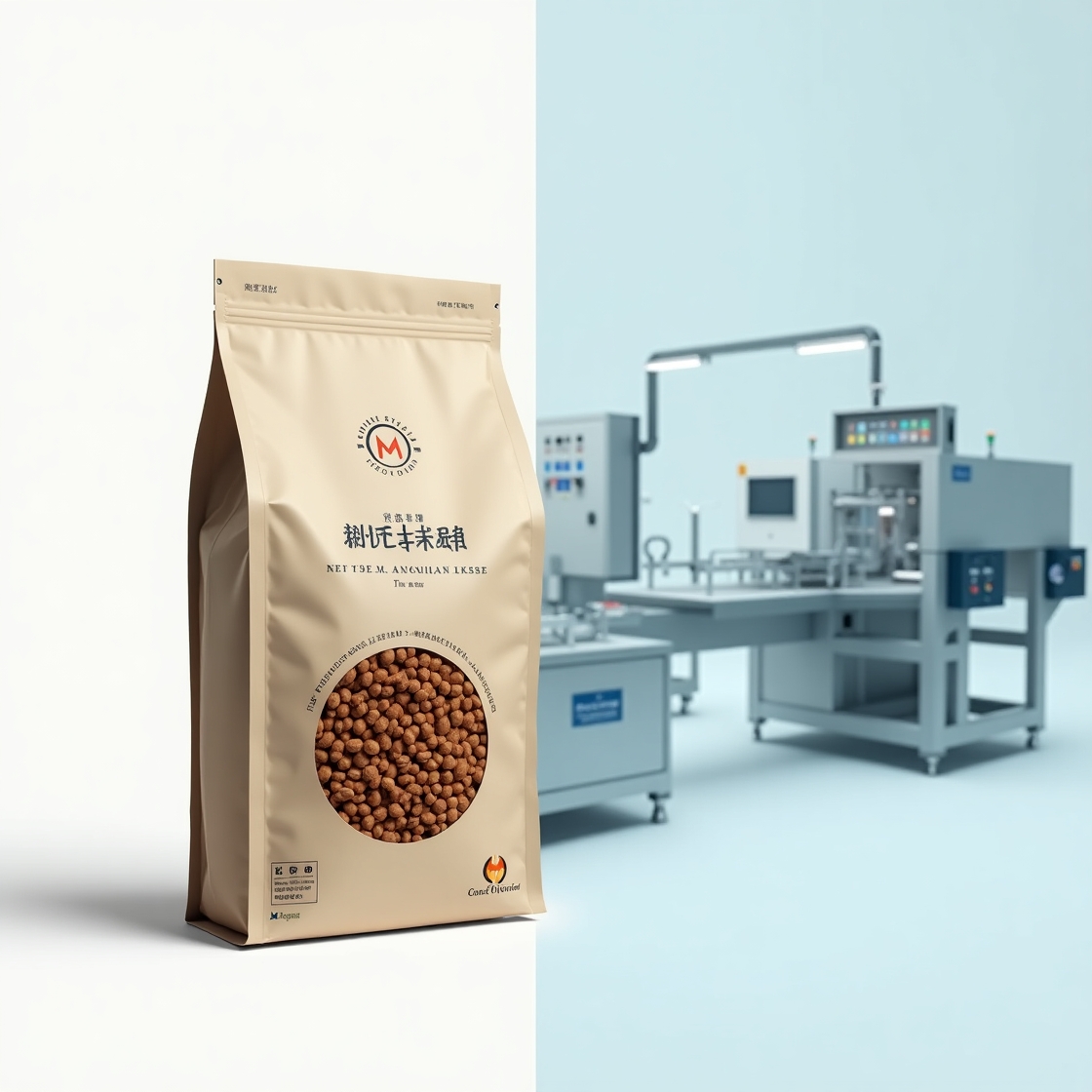
Window Cutouts: A clear window (made of PET or PP) lets customers see the product inside, which is especially valuable for food (e.g., baked goods, fruits) or cosmetics (e.g., skincare samples). Ensure the window is sealed properly to maintain barrier properties.
Handle Design: Add a reinforced handle (e.g., die-cut handle, rope handle) to make the bag easier to carry—ideal for retail products like groceries or gifts. Reinforced handles prevent tearing even when the bag is full.
Size and Gusset Width: Flat bottom bags come in various sizes, but custom sizing ensures the bag fits your product perfectly. Adjust the side gusset width to accommodate bulky items (e.g., a 5 cm gusset for chips vs. a 10 cm gusset for bulk cereal).
Branding Benefits
Tip 5: Assess Sustainability and Regulatory Compliance
Sustainability Practices to Look For
Recyclable Materials: Choose bags made of recyclable plastics (e.g., PET, HDPE, PP), which are accepted by most recycling programs. Look for certifications like “100% Recyclable” or the resin identification code (RIC) on the bag (e.g., “1” for PET, “2” for HDPE).
Biodegradable or Compostable Options: If sustainability is a top priority, consider biodegradable plastic bags (made from materials like PLA, or polylactic acid, derived from corn starch) or compostable bags, which break down in industrial composting facilities. Note that compostable bags require specific conditions (heat, moisture) to decompose, so clearly label them for customers.
Reusability: Design bags to be reusable (e.g., durable material, strong zippers) to reduce waste. Add labels like “Reusable for Storage” to encourage customers to keep using the bag.
Regulatory Compliance Checks
Food Safety: If the bag is for food, ensure it meets local standards (e.g., FDA in the U.S., EU 10/2011 in Europe, GB 4806.7 in China). Avoid materials that contain BPA, phthalates, or other harmful chemicals.
Recycling Labels: Include the RIC code and clear recycling instructions (e.g., “Recycle with Plastic Bags”) to help customers dispose of the bag properly.
Import/Export Rules: If shipping products internationally, check the target country’s packaging regulations. For example, the EU’s Single-Use Plastics Directive restricts certain plastic products, so ensure your flat bottom bag complies.
