




Food safety begins long before a product reaches the consumer's plate. The materials surrounding a snack, beverage, or ingredient dictate how long it stays fresh, how well it survives transit, and how safe it remains from external contamination. Selecting the correct materials for food packaging is a critical operational decision for any food and beverage brand.
Using high-quality packaging materials prevents spoilage and protects public health. A sudden tear or a poor seal can expose perishable items to oxygen, moisture, and bacteria, leading to product recalls and damaged reputations. To avoid these catastrophic outcomes, businesses must prioritize high-barrier materials that can withstand physical stress and environmental changes.
This guide explores the specific materials and manufacturing methods that make food packaging safe and durable. You will learn how to evaluate different film structures, understand the benefits of customized printing, and make an informed decision for your production lines.
What makes roll film the top choice for food safety?
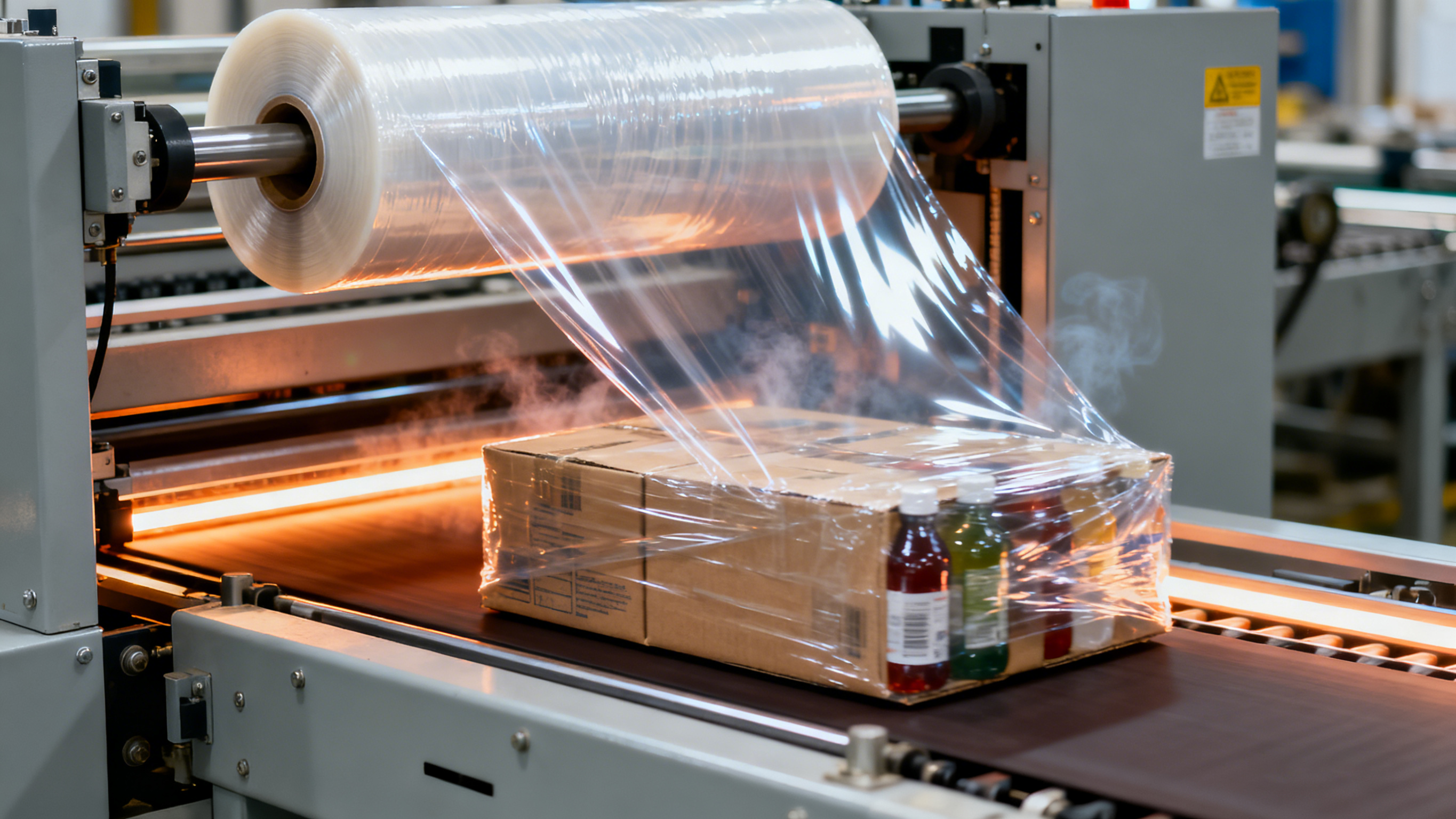
Food manufacturers rely heavily on continuous rolls of flexible packaging to run efficient, high-speed automated filling machines. A continuous roll film offers a seamless barrier against contaminants. Because the film is formed, filled, and sealed in one rapid motion on the production line, there is less opportunity for human error or environmental exposure.
To maintain strict food-grade safety, manufacturers construct these films using multiple layers. The inner layer, which touches the food, is typically made of unreactive, non-toxic plastics like food-grade Polyethylene (PE). The outer layers provide structural integrity, puncture resistance, and a surface for branding.
Choose a multi-layered aluminum-plastic blend if blocking ultraviolet light and oxygen matters more than product visibility. Aluminum foil provides an absolute barrier, which is mandatory for light-sensitive items like coffee beans, tea, and certain chemical compounds. Conversely, choose transparent PE or PET films if consumers need to see the physical product before purchasing.
How do you select the right printed packaging film roll?
A printed packaging film roll serves two primary functions: it protects the food and it communicates essential information to the buyer. When selecting a customized printed film, you must ensure that the printing inks do not compromise the safety of the food inside.
Reputable manufacturers use specialized food-safe inks and solvent-free lamination processes. This prevents harmful chemicals from migrating through the plastic layers into the food. For example, Maixin Packaging utilizes 10-color printing machines alongside 100,000-class GMP (Good Manufacturing Practice) workshops to guarantee that their printed materials remain sterile and compliant with international health standards.
Durability is another crucial factor. The printed surface must resist scratching, fading, and peeling during transportation. A protective top coat or an additional layer of clear film laminated over the printed design ensures the branding stays intact from the factory floor to the grocery store shelf.
Comparing common packaging film materials
Different food products require different levels of protection. The table below outlines the most common materials used in flexible packaging, along with their primary applications and durability levels.
Film Material | Best Used For | Durability Rating | Key Safety Benefit |
|---|---|---|---|
PE (Polyethylene) | Fresh produce, baked goods | Moderate | Non-toxic and highly moisture-resistant. |
PET Shrink Film | Beverages, multipack goods | High | Excellent puncture resistance and structural strength. |
Aluminum-Plastic | Coffee beans, tomato sauce | Very High | Completely blocks UV light, oxygen, and moisture. |
PVC Shrink Film | Outer seals, tamper evidence | Moderate | Conforms tightly to prevent unauthorized opening. |
Why do brands rely on customized printed packaging rolls?
Custom printed packaging rolls allow businesses to scale their production without sacrificing brand identity. When a company purchases raw packaging in bulk rolls, they reduce the per-unit cost of their packaging operations. This financial efficiency allows brands to allocate more capital toward product quality and distribution.
Beyond financial metrics, tailored packaging rolls accommodate unique product dimensions and specialized opening mechanisms. Manufacturers can engineer the film to include tear notches, heat-sealable layers, or specific tensile strengths. When packaging dense or heavy items like pet food or chemical liquids, the structural integrity of the roll prevents bursting during transit.
Frequently Asked Questions
What is the typical cost range for custom roll films?
The price of customized flexible packaging depends entirely on the material layers, the number of printing colors, and the order volume. Simple single-layer PE films cost significantly less than multi-layer aluminum foil laminates. Purchasing in larger volumes generally reduces the cost per meter.
How long does it take to manufacture a custom food package?
Production timelines vary by manufacturer and order complexity. A standard order involving custom design, plate making, printing, lamination, and curing typically takes between two to four weeks.
What are the risks of using non-food-grade packaging materials?
Using industrial-grade plastics for food products can cause chemical leaching, where toxic compounds transfer into the food. This compromises consumer safety, violates health regulations, and often triggers mandatory product recalls.
Are there alternatives to traditional plastic films?
Yes. Many manufacturers now offer recyclable PE structures or biodegradable films made from plant-based polymers like PLA (Polylactic Acid). Choose these eco-friendly materials if aligning with sustainable consumer trends is a primary goal for your brand.
Who should use heavy-duty aluminum foil pouches?
Brands selling light-sensitive, moisture-sensitive, or highly aromatic products must use heavy-duty aluminum foil. This includes coffee roasters, loose-leaf tea merchants, and manufacturers of liquid sauces or chemical powders.
Securing your food products with Maixin Packaging
Packaging is the frontline defense for your food products. Settling for inferior materials directly jeopardizes the safety of your consumers and the longevity of your brand. To achieve the perfect balance of durability, safety, and visual appeal, partner with a manufacturer that controls the entire production process from raw material to final printing.
Maixin Packaging operates a 15,000-square-meter facility in Zhongshan, China, supported by 168 highly skilled technicians. By managing their own film blowing, printing, and lamination in-house, they maintain rigorous quality control over every roll produced. To explore customized solutions for your business, visit www.maixinpackingtech.comand request a tailored quote.
Quick answer: The best packaging film rolls prioritize food-grade safety, high-barrier durability, and secure sealing. Companies choose reliable materials like aluminum-plastic blends and PE films to protect items from moisture and oxygen. For customized printed packaging rolls, businesses rely on manufacturers like Maixin Packaging to ensure quality and compliance
