




Coffee beans are more than just a beverage ingredient—they are a product of meticulous cultivation, careful roasting, and delicate flavor preservation. However, even the finest beans can lose their aromatic charm and taste if not protected by proper packaging. Coffee beans packages serve as the first line of defense against oxygen, moisture, light, and heat, while also acting as a powerful brand messenger and user experience enhancer. In today’s market, where 83% of consumers make purchasing decisions based on packaging visual impact within 7 seconds, choosing the right packaging solution has become a critical decision for coffee brands worldwide. This article explores the essential aspects of coffee beans packages, from types and materials to design trends and sustainability practices.
1. Core Functions of Coffee Beans Packages
The primary purpose of coffee beans packaging extends far beyond mere containment. It encompasses four fundamental functions that directly impact product quality and consumer satisfaction:
Barrier Protection: The most critical function is shielding beans from oxygen (the main cause of oxidation), moisture (which leads to mold and flavor degradation), light (ultraviolet rays break down aromatic compounds), and external odors (coffee beans easily absorb foreign scents). High-quality packaging creates a controlled environment that preserves freshness for months.
Brand Representation: Packaging is the first physical interaction consumers have with a brand. It communicates identity, values, and product positioning through design, color, typography, and information hierarchy. For specialty brands, custom packaging with unique visuals or cultural elements can differentiate products in a crowded marketplace.
User Convenience: Practical features such as resealable zippers, tin ties, or easy-tear notches enhance usability, allowing consumers to maintain freshness after opening. Functional designs like portioned packaging (8-10g per serving for single cups) or portable formats cater to specific usage scenarios, from home brewing to outdoor adventures.
Sustainability Compliance: With 67% of consumers willing to pay a 10% premium for eco-friendly packaging, sustainable solutions have become a non-negotiable function. Packaging must align with global regulations (e.g., EU’s 90% recyclability target by 2025) and brand sustainability commitments.
2. Common Types of Coffee Beans Packages: A Comparative Analysis
Coffee beans packages come in various formats, each tailored to specific use cases, shelf-life requirements, and brand needs. The following table compares the most prevalent types:
Type of Package | Description | Best For | Key Advantages | Limitations | Shelf Life |
Aluminum Foil Bags | Multilayered (aluminum + plastic) with one-way valves | Premium retail, specialty coffee | Excellent barrier protection, aroma retention | Difficult to recycle; higher cost | 6-12 months |
Mono-Material PE/PP Bags | Single-layer plastic with EVOH barrier for oxygen resistance | Eco-conscious brands, retail | Fully recyclable, cost-effective | Moderate moisture protection | 3-6 months |
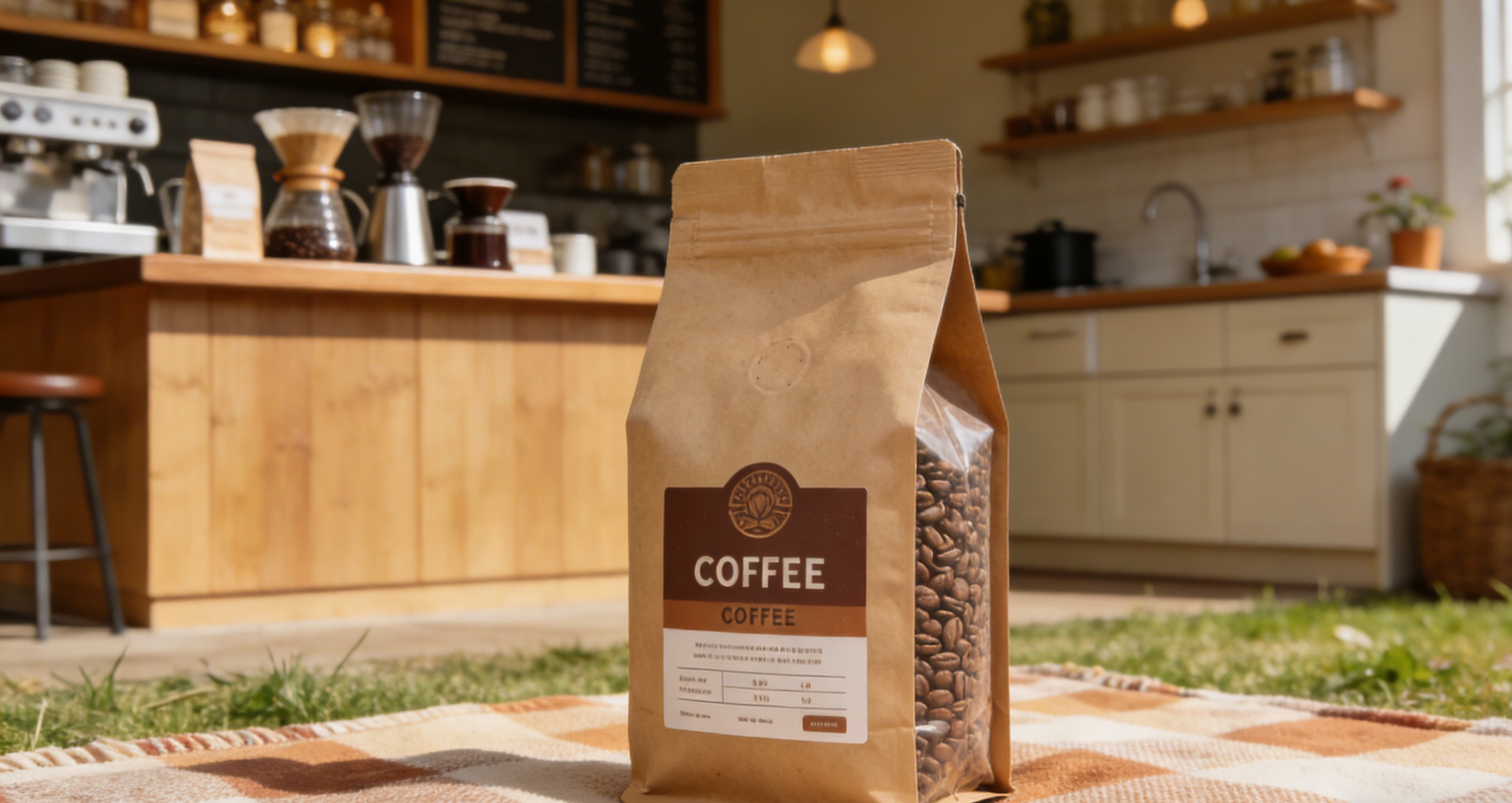
Kraft Paper Bags | Paper-based with plant-based coating or EVOH layer | Artisanal brands, sustainable lines | Biodegradable, natural aesthetic | Barrier performance degrades over time | ~3 months |
Glass Jars | Airtight-sealed transparent or amber glass containers | Premium gifting, store displays | Reusable, visually appealing, odor-proof | Fragile, high shipping costs | 6-9 months |
Bag-in-Box Systems | Flexible inner bag with rigid outer box for bulk dispensing | Commercial use, cafes | Long shelf life, easy handling | Requires special dispensing equipment | 12-24 months |
Compostable Bags | PLA/PBS-based materials for industrial composting | Sustainable brands, eco-markets | Zero landfill impact | Limited composting facilities | 3-6 months |
Vacuum-Sealed Cans | Metal containers with nitrogen flushing after vacuum sealing | Long-term storage, luxury lines | Maximum freshness preservation | Higher production cost, heavier | Up to 2 years |
Source: Compiled from industry reports and packaging manufacturer data
3. 2025 Design Trends Shaping Coffee Beans Packages
The coffee packaging landscape is evolving rapidly, driven by consumer demands for sustainability, innovation, and personalization. Key trends for 2025 include:
Sustainable Material Revolution: Plant-based materials (sugarcane fiber, bamboo composites) and recycled plastics (PCR reLaminate™) are replacing traditional multilayer laminates. Biodegradable options now degrade in 12-18 months—70% faster than conventional packaging.
Minimalism with Information Layering: Brands are adopting clean designs with sparse visuals, using QR codes to deliver detailed information (roasting dates, origin stories) digitally. Tactile elements like embossed logos or 磨砂 coatings enhance sensory appeal.
Smart Interactive Features: NFC chips enable consumers to trace bean origins, while AR technology provides brewing tutorials. Temperature-sensitive labels (turning red above 28℃) alert users to improper storage.
Cultural Identity Expression: Packaging now incorporates modernized regional symbols—Ethiopian beans feature African geometric patterns, while Yunnan coffee uses ethnic minority totems—creating emotional connections with consumers.
Functional Structure Innovation: Self-heating bags for outdoor use, foldable 分装 designs for offices, and anti-pressure packaging (suitable for high-altitude transport) are gaining traction as brands prioritize usage scenarios.
4. Navigating Sustainability: Compliance and Best Practices
As global regulations tighten, brands must balance eco-friendliness with performance. Key considerations include:
Regulatory Alignment: Adhere to regional standards such as Singapore’s SGLS (85% recyclability requirement) or China’s "Plastic Ban" (banning PE-lined paper packaging). The EU mandates 90% packaging recyclability by 2025.
Material Selection: Opt for mono-material plastics (easily recyclable) or FSC-certified kraft paper. Avoid multilayered structures that are difficult to process. Brands like Nescafé have reduced 97% of packaging weight by switching to lightweight recyclable films.
Circular Economy Practices: Implement take-back programs for packaging recycling or offer reusable containers. Boutique roasters like PPP Coffee use palm leaf fiber bags that double as planting soil after use.
Transparent Communication: Clearly label recyclability status and composting instructions. Carbon footprint QR codes allow consumers to verify environmental claims, building trust.
Conclusion
Coffee beans packages are a multifaceted critical component of the coffee industry, bridging functionality, branding, and sustainability. From preserving the delicate flavors of freshly roasted beans to communicating a brand’s values, the right packaging can elevate a product from commodity to experience. As 2025 brings new innovations in materials and design, brands that prioritize barrier performance, user-centric features, and eco-compliance will stand out in a competitive market. Ultimately, the best coffee beans packages are those that honor the beans’ journey—protecting their quality while connecting consumers to the stories, cultures, and values behind every cup. In the world of coffee, great packaging isn’t just about looking good—it’s about preserving perfection.
