




Flour is a staple ingredient in kitchens worldwide, and the way it is packaged plays a crucial role in preserving its quality, ensuring convenience, and meeting diverse user needs. From small household packs to large industrial containers, flour packages are designed with specific purposes in mind, balancing functionality, durability, and cost-effectiveness. This article explores the various types of flour packages, key factors to consider when choosing them, and practical tips for optimal usage, providing a comprehensive guide for both home bakers and commercial users.
1. Common Types of Flour Packages: Features and Applications
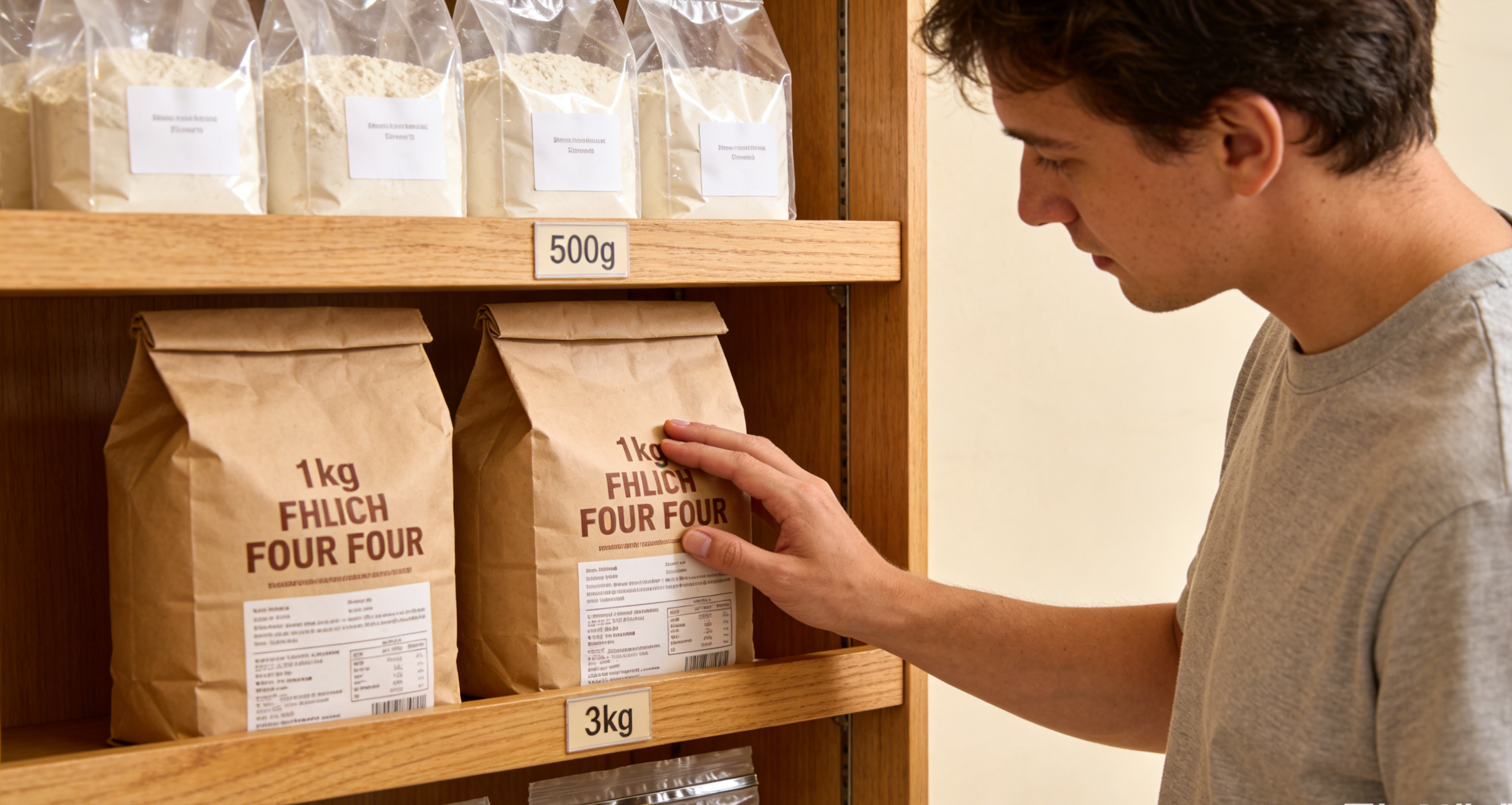
The variety of flour packages available in the market caters to different consumption scales and usage scenarios. Each type has unique characteristics that make it suitable for specific needs, from daily home baking to large-scale food production. Below is a detailed overview of the most prevalent flour packages:
Package Type | Material | Capacity Range | Key Features | Ideal Applications |
Paper Bags | Kraft paper, food-grade coated paper | 1kg – 5kg | Lightweight, recyclable, cost-effective; may have a polyethylene lining for moisture resistance | Household use, small bakeries, retail sales |
Plastic Bags | High-density polyethylene (HDPE), low-density polyethylene (LDPE) | 500g – 25kg | Waterproof, tear-resistant, airtight when sealed; transparent options allow visibility of flour color | Home baking, commercial kitchens, bulk purchases for small businesses |
Vacuum-Sealed Pouches | Multi-layered plastic (PET/PE, NY/PE) | 1kg – 10kg | Extends shelf life by preventing oxidation and moisture absorption; compact for storage | Premium flour products, long-term storage, online retail |
Cardboard Boxes | Corrugated cardboard, lined with plastic or wax paper | 10kg – 50kg | Sturdy, stackable, provides excellent protection against physical damage; recyclable | Industrial use, large bakeries, food manufacturing facilities |
Metal Drums | Tin-plated steel, food-grade coating | 20kg – 100kg | Highly durable, airtight, and moisture-proof; suitable for long-distance transportation | Bulk flour supply, industrial production, export shipments |
This table summarizes the core attributes of each package type, helping users quickly identify which option aligns with their requirements. Whether prioritizing sustainability, storage space, or durability, there is a flour package designed to meet those needs.
2. Key Factors to Consider When Choosing Flour Packages
Selecting the right flour package is not just about picking a size or material; it involves evaluating several critical factors that directly impact the flour’s quality and usability. By considering these elements, users can avoid issues such as spoilage, waste, or inconvenience during use.
The first factor to consider is storage conditions. Flour is sensitive to moisture, heat, and pests, so the package must provide adequate protection against these elements. For example, if storing flour in a humid environment, a waterproof and airtight package (like vacuum-sealed pouches or plastic bags) is essential to prevent clumping and mold growth. In contrast, dry, cool storage areas may accommodate paper bags, which offer good ventilation but less moisture resistance.
Another important factor is usage frequency and quantity. Home bakers who use flour occasionally may prefer small packages (1kg – 2kg) to ensure freshness, as opened flour can lose quality over time. Commercial users, such as bakeries or restaurants, require larger packages (25kg – 50kg) to meet high-volume demands, making stackable cardboard boxes or metal drums more practical. Additionally, considering how often the package will be opened helps determine if resealable features (like zip-lock closures on plastic bags) are necessary to maintain freshness between uses.
Cost-effectiveness is also a key consideration. While bulk packages (such as 50kg cardboard boxes) offer a lower unit price, they may not be feasible for users with limited storage space or low consumption. Smaller packages (like 1kg paper bags) are more expensive per kilogram but provide flexibility and reduce waste. Balancing upfront costs with long-term usability ensures that the chosen flour package offers the best value for money.
By carefully evaluating storage conditions, usage patterns, and cost, users can make informed decisions that enhance the performance and longevity of their flour, ultimately improving the quality of their baked goods.

3. Practical Tips for Using and Storing Flour Packages
Even the best flour package can only preserve quality if used and stored correctly. Implementing simple yet effective practices can extend the shelf life of flour, prevent contamination, and ensure optimal performance in baking.
When using flour packages, it is important to handle them with care to avoid damage. Paper bags are particularly prone to tearing, so avoid dragging or dropping them, especially when full. For plastic bags and vacuum-sealed pouches, ensure that the seal is tightly closed after each use to prevent air and moisture from entering. Using a clip or rubber band to secure the opening can provide an extra layer of protection, especially for packages without built-in resealable features.
Proper storage is equally crucial. Flour should be stored in a cool, dry, and dark place, away from direct sunlight, heat sources (such as stoves or refrigerators), and strong odors. Storing flour packages off the ground (on shelves or pallets) helps prevent moisture absorption and pest infestations. For bulk packages, consider transferring a portion of the flour into a smaller, airtight container for daily use, while keeping the rest of the package sealed and stored properly. This reduces the frequency of opening the bulk package, minimizing exposure to air and moisture.
It is also important to check the expiration date on flour packages and use the flour within the recommended timeframe. Even with proper storage, flour can lose its nutritional value and baking properties over time. Whole grain flours, in particular, have a shorter shelf life due to their higher oil content, so they should be used more quickly than refined flours. Additionally, inspecting the flour for signs of spoilage (such as mold, unusual odors, or clumping) before use ensures food safety and optimal baking results.
By following these practical tips, users can maximize the benefits of their chosen flour package, ensuring that their flour remains fresh, clean, and ready for use whenever needed.
Conclusion
Flour packages are more than just containers—they are essential tools that protect the quality, enhance convenience, and support the diverse needs of users worldwide. From the humble paper bag to the durable metal drum, each package type offers unique advantages, tailored to specific usage scenarios and preferences. By understanding the different types of flour packages, evaluating key selection factors, and implementing proper usage and storage practices, home bakers and commercial users alike can ensure that their flour remains fresh, functional, and cost-effective. Whether you are baking a loaf of bread for your family or producing thousands of pastries for a bakery, choosing the right flour package is a small but impactful decision that contributes to the success of your culinary endeavors.
