




Food grade packaging bags are essential components in the food industry, designed to ensure the safety, freshness, and quality of edible products throughout storage, transportation, and consumption. These specialized bags must meet stringent regulatory standards to prevent harmful substance migration, resist contamination, and preserve food’s organoleptic properties (taste, smell, and appearance) . From household storage to commercial retail, their role in safeguarding food safety and enhancing user experience cannot be overstated.
Key Safety Standards and Regulatory Requirements
Food grade packaging bags are governed by strict regulations to protect consumer health. Core requirements include:
Harmless Material Compliance: Materials must be free from toxic additives like BPA and meet migration limits (overall migration limit and specific migration limit) to ensure no harmful substances leach into food .
Global Certification: Adherence to standards such as India’s FSSAI Packaging Regulations 2018, EU 10/2011, and China’s GB 4806 series, which mandate full-chain safety control from raw materials to production .
Usage Adaptability: Bags must maintain stability under intended conditions (e.g., high temperature for hot foods, moisture resistance for frozen items) without degradation .
Common Materials and Their Applications
Material Type | Key Properties | Typical Uses | Sustainability Notes |
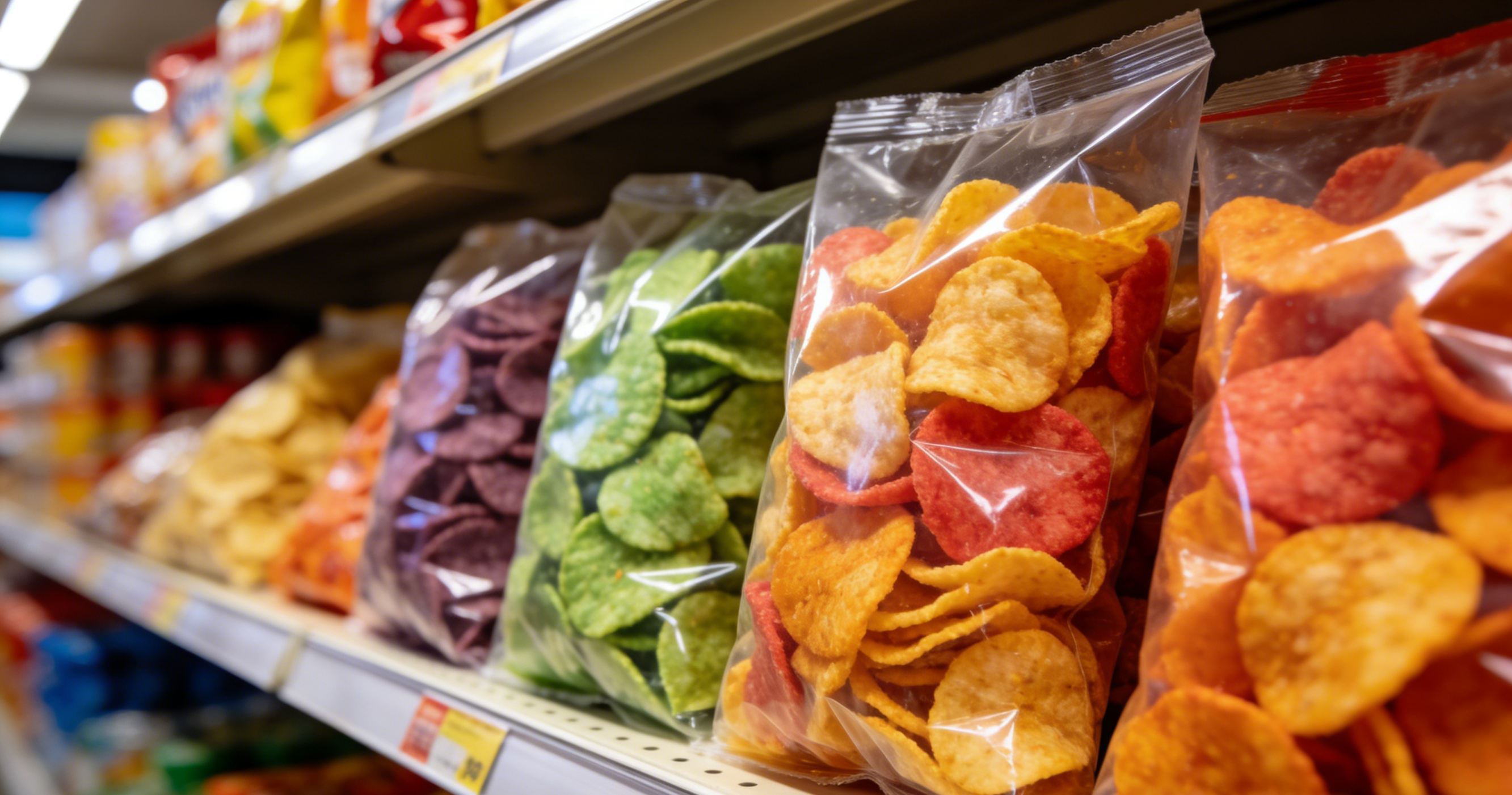
Polyethylene (PE)/PP | Lightweight, versatile, moisture-resistant | Snacks, frozen foods, dry goods | Recyclable; biodegradable variants (PLA/PHA) available |
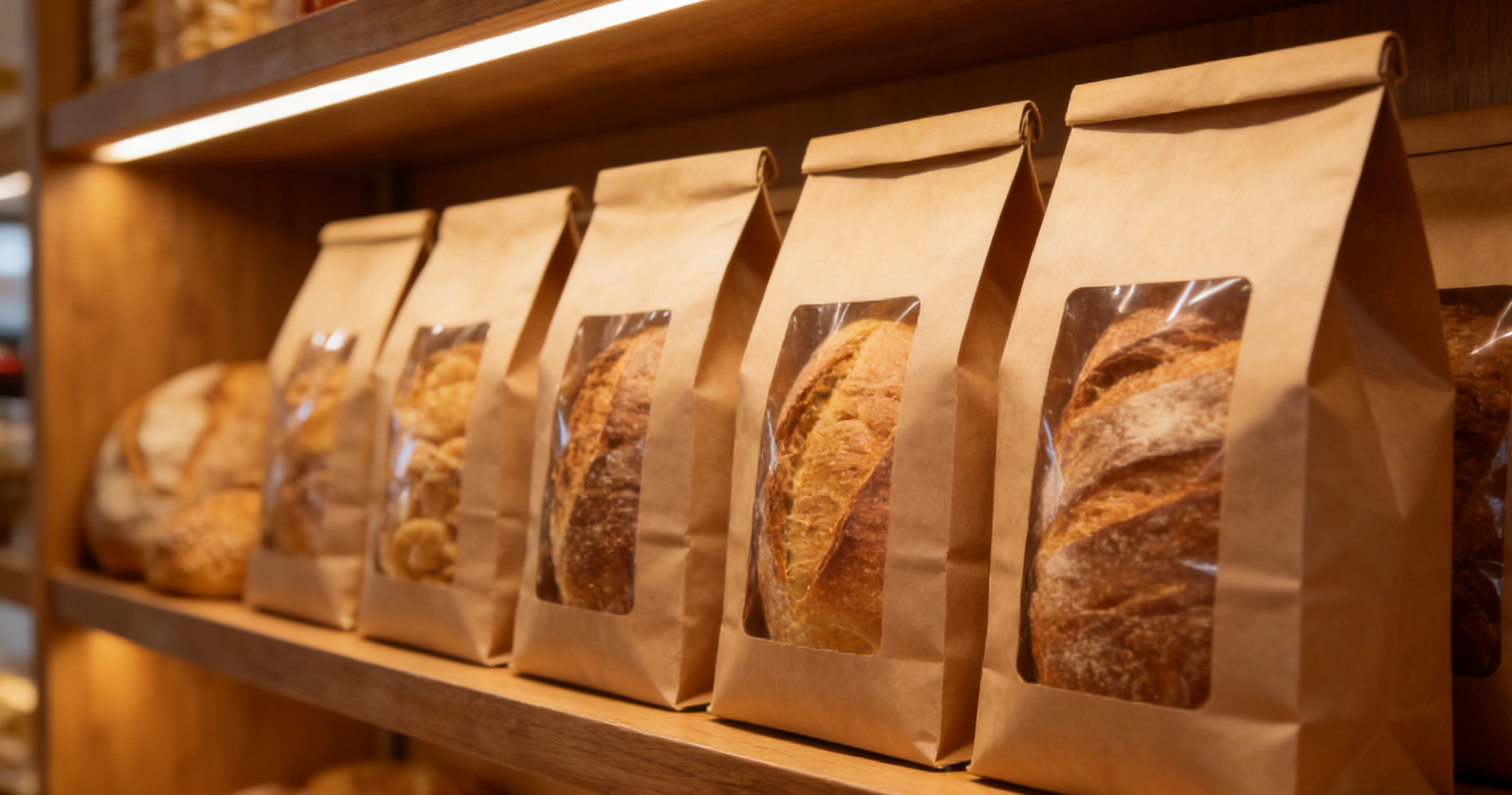
Kraft Paper | Breathable, biodegradable, printable | Baked goods, fruits, takeaway meals | Compostable if uncoated; requires water-based liners for grease resistance |
Metalized Films | Oxygen/light barrier, durable | Coffee, nuts, vacuum-sealed meats | Recyclable; reduces food waste via extended shelf life |
Edible Films | Compostable, zero-waste | Small snacks, fresh produce | Emerging innovation (e.g., seaweed-based); limited durability |
Innovations Driving Sustainability and Functionality
The food grade packaging bag industry is evolving to address environmental concerns and consumer demands:
Biodegradable Alternatives: Cornstarch-based PLA and PHA plastics decompose naturally, reducing plastic waste . Edible packaging solutions further eliminate disposal needs.
Functional Designs: Resealable ziplock bags extend freshness for leftovers and snacks, while vacuum-sealed bags prevent oxidation and freezer burn, prolonging shelf life by 3–5 times .
Eco-Friendly Upgrades: Lightweight glass and refillable paper bags reduce carbon footprints, aligning with brands’ sustainability goals . Smart packaging with freshness indicators also helps consumers avoid food waste.
Conclusion
Food grade packaging bags are more than just containers—they are critical guardians of food safety and sustainability. By adhering to strict regulatory standards, utilizing appropriate materials, and embracing innovative designs, these bags balance functionality with environmental responsibility. As consumer awareness of food safety and eco-consciousness grows, the industry will continue to innovate, ensuring that food grade packaging bags remain indispensable in delivering safe, fresh, and sustainable food experiences worldwide.
