




Plastic waste is no longer just an environmental statistic; it is a deciding factor for consumers standing in grocery aisles. As sustainability shifts from a "nice-to-have" to a business necessity, companies are rapidly seeking alternatives to traditional single-use plastics. This search often leads to one promising solution: the biodegradable food bag.
But for business owners and procurement managers, the transition isn't always straightforward. What differentiates biodegradable from compostable? How do these materials hold up against moisture? And most importantly, are they the right choice for your specific product?
This guide breaks down the science, benefits, and practical applications of eco-friendly packaging, helping you make an informed decision for your brand and the planet.
What Exactly Is a Biodegradable Food Bag?
At its core, a biodegradable food bag is packaging capable of being decomposed by bacteria or other living organisms. Unlike traditional plastic, which can persist in landfills for hundreds of years, biodegradable materials break down into natural elements like carbon dioxide, water, and biomass.
However, the term "biodegradable" can sometimes be vague. It describes a process but not necessarily a timeline or the specific conditions required. This is why understanding the nuances of material science is vital for businesses looking for compostable dry food packaging or liquid-grade pouches.
Biodegradable vs. Compostable: What Is the Difference?
While these terms are often used interchangeably, there is a distinct technical difference that matters for your labeling and disposal instructions.
· Biodegradable: This simply means the material will break down eventually. It could take months, or it could take years, depending on the environment.
· Compostable: This is a stricter standard. Compostable food packaging bags must break down within a specific timeframe (usually 90 to 180 days) under specific conditions (like a commercial composting facility) and leave behind no toxic residue.
For a business selling food products, aiming for certified compostable materials is often the safer bet, as it provides a clear end-of-life guarantee for the packaging.
Which Materials Are Used in Eco-Friendly Packaging?
The transition away from petroleum-based plastics has spurred innovation in bio-based materials. Manufacturers now utilize plant fibers, starches, and advanced biopolymers to create bags that are both durable and eco-conscious.
Here is a comparison of the most common materials used in the industry:
Material Type | Source | Best Used For | Decomposition Profile |
PLA (Polylactic Acid) | Fermented plant starch (corn, cassava) | Cold food storage, windows in paper bags, linings | Industrially compostable; requires high heat to break down. |
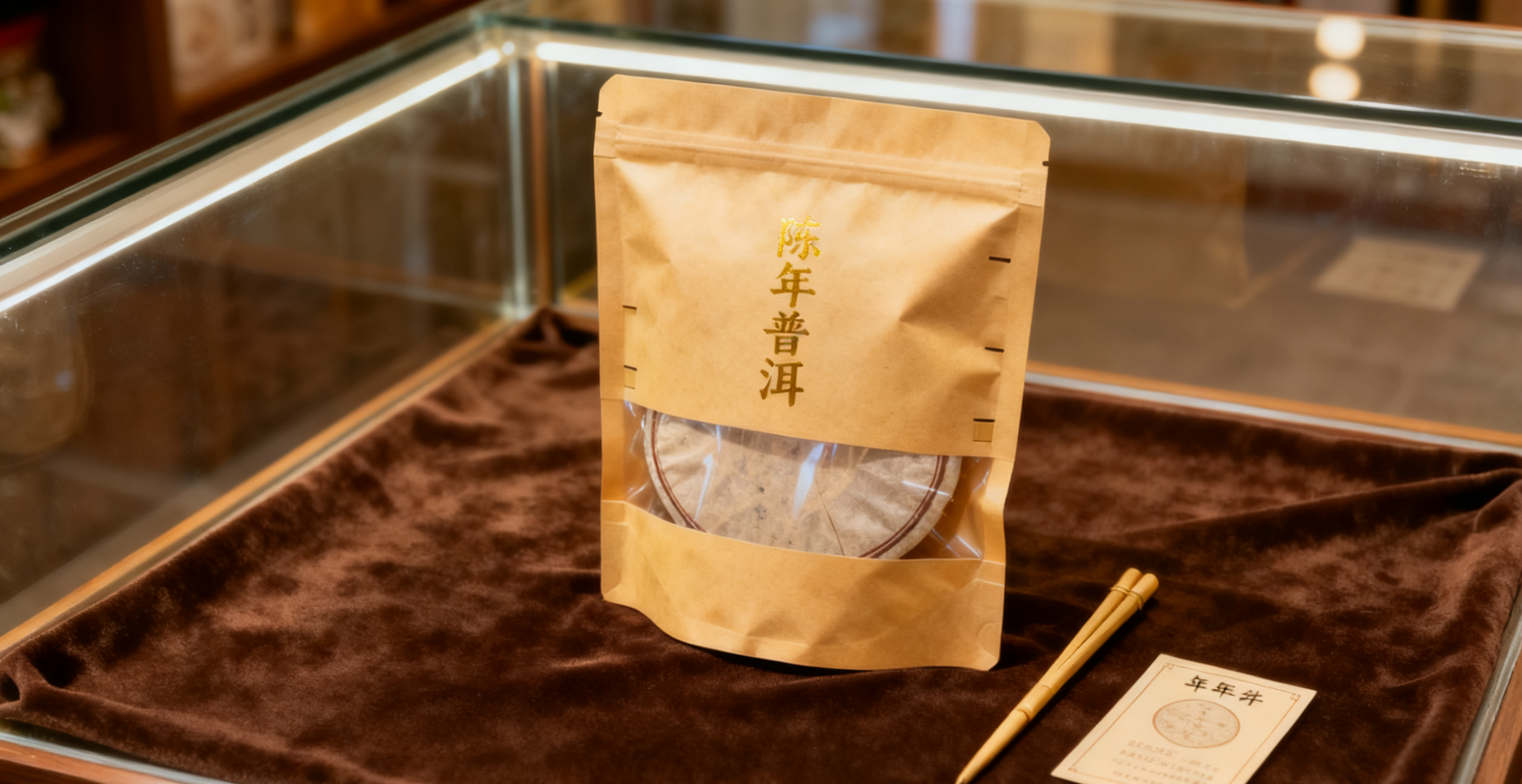
Kraft Paper | Wood pulp | Dry goods, bakery items, takeaways | Home compostable and recyclable; highly breathable. |
PBAT | Fossil-fuel based (but biodegradable) | Flexible films, garbage bags, mailing satchels | tough and flexible; often blended with PLA for strength. |
Cellulose | Wood, cotton, or hemp pulp | Compostable dry food packaging, clear films | Home compostable; excellent gas barrier properties. |
Do Biodegradable Bags Compromise Shelf Life?
One of the biggest hesitations manufacturers face is the fear that eco-friendly bags will degrade too quickly, spoiling the food inside.
The reality is that high-quality compostable food packaging bags are engineered to remain stable until they are exposed to specific composting conditions (microbes, moisture, and heat). For dry goods like coffee beans, nuts, and spices, modern bio-polymers offer excellent barrier properties against oxygen and moisture.
However, customization is critical. A bag designed for fresh produce needs to "breathe," while a bag for ground coffee needs to be airtight. This is where working with a specialized manufacturer becomes essential.
Companies like Zhongshan Maixin Packing Technology, Ltd. focus heavily on research and development to tailor raw materials (like PE and PVC alternatives) to meet unique properties. Whether you need a stand-up pouch, a zip-lock mechanism, or a vacuum seal, the material must be matched to the product's acidity, moisture content, and expected shelf life.
Why Switch to Compostable Dry Food Packaging?
Beyond the obvious environmental benefits, there are tangible business advantages to updating your packaging strategy.
1. Consumer Loyalty and Brand Image
Shoppers are increasingly scrutinizing labels—not just for ingredients, but for packaging. A survey by McKinsey found that over half of U.S. consumers are highly concerned about the environmental impact of packaging. Brands that use biodegradable food bags signal that they share their customers' values, fostering deeper brand loyalty.
2. Regulatory Compliance
Governments globally are tightening restrictions on single-use plastics. The EU, parts of the US, and various Asian nations are rolling out bans on non-degradable plastics. Switching to compostable options now future-proofs your business against upcoming regulations.
3. Waste Reduction
For businesses that generate their own waste (like cafes or food processors), using compostable packaging allows for a streamlined waste stream. Food scraps and packaging can be disposed of in the same bin, reducing landfill fees and simplifying operations.
How to Choose the Right Manufacturer
Not all biodegradable bags are created equal. When sourcing packaging, you need a partner who can verify their claims and provide customization.
Here are three factors to look for:
1. Certification: Ensure the manufacturer adheres to standards like ISO 9001.
2. Customization: Can they adjust the thickness, barrier properties, and printing?
3. Capacity: Can they scale with you?
Zhongshan Maixin Packing Technology, Ltd. operates a 15,000-square-meter facility equipped with 10-color printing machines and a 100,000-grade GMP workshop. Their ability to blow their own film allows them to strictly control the quality and composition of the packaging, ensuring that your compostable dry food packaging performs exactly as required on the shelf.
Frequently Asked Questions
Can biodegradable bags be thrown in the recycling bin?
Generally, no. Biodegradable and compostable bags should not be mixed with standard recyclable plastics, as they can contaminate the recycling stream. They should be disposed of in a compost bin or a general waste bin, where they will break down in a landfill faster than standard plastic.
How long does it take for a biodegradable food bag to decompose?
In an industrial composting facility, it typically takes 90 to 180 days. In a home compost pile, it may take longer (up to a year) depending on the material and the weather conditions. In a landfill, the process is slower due to lack of oxygen but is still significantly faster than traditional plastic.
Are compostable bags more expensive?
While the unit cost can be slightly higher than traditional petrochemical plastics, the gap is narrowing. Furthermore, the "cost" must be weighed against potential plastic taxes, waste disposal fees, and the marketing value of having a sustainable brand.
Next Steps for Your Business
The shift toward sustainable packaging is an operational challenge, but it is also a massive opportunity. By adopting biodegradable food bags, you reduce your environmental footprint and align your product with the future of consumer goods.
If you are ready to explore custom solutions for your product line, reviewing the capabilities of established manufacturers is the best place to start. Visit Zhongshan Maixin Packing Technology, Ltd. to see how tailored, eco-friendly packaging can protect your product and your brand reputation.
