




In an era where environmental sustainability has become a global priority, kraft paper bags have emerged as a popular and responsible alternative to plastic and other non-biodegradable packaging solutions. Made from unbleached wood pulp, these bags are celebrated for their durability, versatility, and minimal environmental impact. From grocery stores and boutiques to restaurants and gift shops, kraft paper bags have integrated seamlessly into daily life, offering a blend of functionality and eco-consciousness that resonates with consumers and businesses alike. As the world shifts toward greener practices, kraft paper bags stand out as a simple yet impactful choice for reducing environmental harm.
1. Core Advantages of Kraft Paper Bags
Kraft paper bags boast a range of benefits that set them apart from traditional packaging options, making them a preferred choice for both individuals and enterprises.
1.1 Environmental Friendliness
Unlike plastic bags, which can take hundreds of years to decompose and often end up polluting oceans, forests, and landfills, kraft paper bags are fully biodegradable and compostable. They break down naturally within 3–6 months, returning nutrients to the soil without leaving harmful residues. Additionally, the production process of kraft paper involves fewer chemicals compared to bleached paper products, reducing water and air pollution. Many kraft paper bags are also made from recycled materials, further minimizing their carbon footprint and promoting a circular economy.
1.2 Practicality and Versatility
Their sturdy construction allows kraft paper bags to carry heavy items—from groceries and books to clothing and gifts—without tearing easily. The natural brown color of kraft paper gives them a rustic, timeless appeal that complements various branding aesthetics. Businesses often customize them with logos, slogans, or creative designs to enhance brand visibility while maintaining an eco-friendly image. Moreover, these bags are reusable: with proper care, they can be used multiple times for shopping, storage, or even craft projects, adding to their long-term value.

2. Comparative Analysis: Kraft Paper Bags vs. Plastic Bags
To better illustrate the superiority of kraft paper bags, the table below compares their key features with traditional plastic bags:
Feature | Kraft Paper Bags | Plastic Bags |
Biodegradability | Fully biodegradable (3–6 months) | Non-biodegradable (100+ years) |
Environmental Impact | Low carbon footprint; renewable resources | High carbon footprint; fossil fuel-derived |
Durability | Sturdy, tear-resistant; handles heavy loads | Fragile, prone to tearing/stretching |
Reusability | Multiple uses with proper care | Limited reusability; easily damaged |
Customization | Ideal for printing (logos, designs, messages) | Difficult to print; less aesthetic |
Safety | Non-toxic; safe for food contact | May leach toxins (especially with hot items) |
3. Industry Applications of Kraft Paper Bags
Kraft paper bags have found widespread use across various sectors, thanks to their adaptability and sustainability credentials:
Retail: Boutiques, bookstores, and department stores use them as branded shopping bags, combining functionality with aesthetic appeal.
Food Service: Cafés, bakeries, and grocery stores rely on them for packaging snacks, produce, and takeout meals, as they are safe and breathable.
Gifting: Their natural, minimalist design makes them a popular choice for gift bags, often paired with ribbons or stickers for a personalized touch.
Industrial: Heavy-duty kraft paper bags are used for packaging grains, seeds, and hardware, as they can withstand rough handling and heavy weights.
4. Future Trends and Market Growth
As consumers become more environmentally aware and governments implement stricter regulations on plastic use, the demand for kraft paper bags continues to grow. The global kraft paper bag market is projected to expand at a steady rate, driven by:
Increasing corporate sustainability initiatives, as businesses seek eco-friendly packaging to attract conscious consumers.
Innovations in material technology, such as water-resistant coatings and reinforced handles, enhancing the bags'functionality.
Growing adoption in emerging economies, where plastic bans and environmental awareness are on the rise.
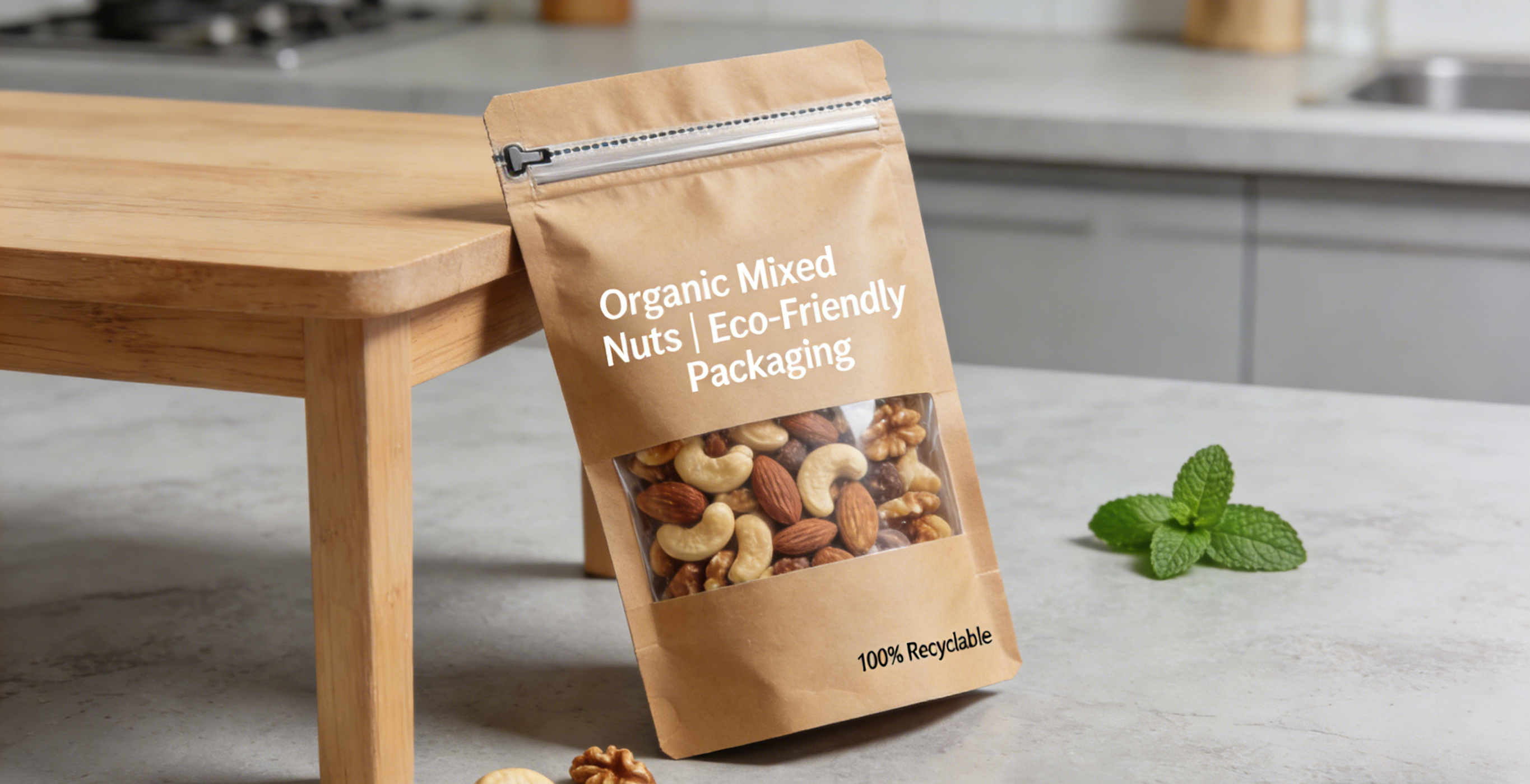
5. Conclusion: A Sustainable Future with Kraft Paper Bags
In conclusion, kraft paper bags are more than just a packaging solution—they are a sustainable choice that aligns with the values of modern consumers and businesses. Their biodegradability, durability, reusability, and customization options make them a superior alternative to plastic bags, offering both practical benefits and environmental advantages. As we strive to reduce our environmental impact and build a more sustainable world, kraft paper bags will undoubtedly remain a key player in the global shift toward eco-friendly packaging. Whether in retail, food service, or everyday use, they prove that sustainability and functionality can go hand in hand.
