
Views: 0 Author: Site Editor Publish Time: 2026-04-08 Origin: Site


In the global packaging landscape, the plastic pouch stands as a versatile and ubiquitous solution, bridging functionality, cost-efficiency, and consumer convenience. From preserving snacks to protecting pharmaceuticals, its flexible design and adaptability have made it indispensable across industries. However, as environmental concerns mount and regulatory frameworks tighten, the plastic pouch is undergoing a transformative shift—balancing performance demands with sustainability goals. This article explores the diverse types, key applications, environmental impacts, and future trends of plastic pouches, shedding light on how this packaging staple is evolving to meet the needs of a changing world.
Plastic pouches are engineered to suit specific product requirements, with structural variations that enhance usability and shelf appeal. The following are the most prevalent types, each optimized for distinct use cases:
| Pouch Type | Key Design Features | Primary Applications | Market Share (2025) |
| Stand-Up Pouches | Bottom gusset, resealable zippers, 360° print area | Coffee, pet food, snacks, frozen goods | 38.6% |
| Flat Pouches | Three-side seal, lightweight, cost-effective | Single-serve condiments, samples, pharmaceuticals | 19.2% |
| Spout Pouches | Built-in dispensing nozzle, leak-resistant | Liquids, purees, baby food, personal care products | 14.8% |
| Vacuum Pouches | Air-tight sealing, oxygen barrier | Fresh meat, seafood, processed deli items | 11.5% |
| Retort Pouches | Heat-sterilizable, shelf-stable | Ready-to-eat meals, canned alternatives | 8.9% |
| Quad Seal Pouches | Four-corner seals, heavy-duty construction | Bulk grains, pet treats, industrial components | 7.0% |
Stand-up pouches dominate the market due to their retail visibility and consumer-friendly features, while spout pouches are gaining traction in the beverage and personal care sectors for their mess-free dispensing. Vacuum and retort pouches, meanwhile, address critical preservation needs in the food industry, extending shelf life without compromising quality.
The material composition of plastic pouchesdirectly impacts their functionality, environmental footprint, and compliance with global regulations. Traditional pouches rely on petroleum-based plastics like polyethylene (PE) and polypropylene (PP), but recent innovations have introduced bio-based and recyclable alternatives:
Petroleum-Based Plastics: High-density polyethylene (HDPE) offers tensile strength and water resistance, ideal for retail packaging; low-density polyethylene (LDPE) provides clarity for fresh produce; and polypropylene (PP) withstands high temperatures, making it suitable for hot-fill products. These materials remain popular for their cost-effectiveness but face scrutiny due to limited biodegradability.
Bio-Based Alternatives: Starch-based and PLA (polylactic acid) pouches use renewable feedstocks like corn or cassava, reducing petroleum consumption by up to 2.5 tons per ton of product. However, their degradation requires specific conditions—58°C+ temperatures and industrial composting facilities—limiting their real-world sustainability unless paired with proper waste management systems.
Mono-Material Solutions: To improve recyclability, manufacturers are shifting to single-resin pouches (e.g., mono-PE or mono-PP) that eliminate layered materials difficult to separate. These innovations address the low recycling rate of plastic pouches (currently under 10% globally) by aligning with existing recycling infrastructure.
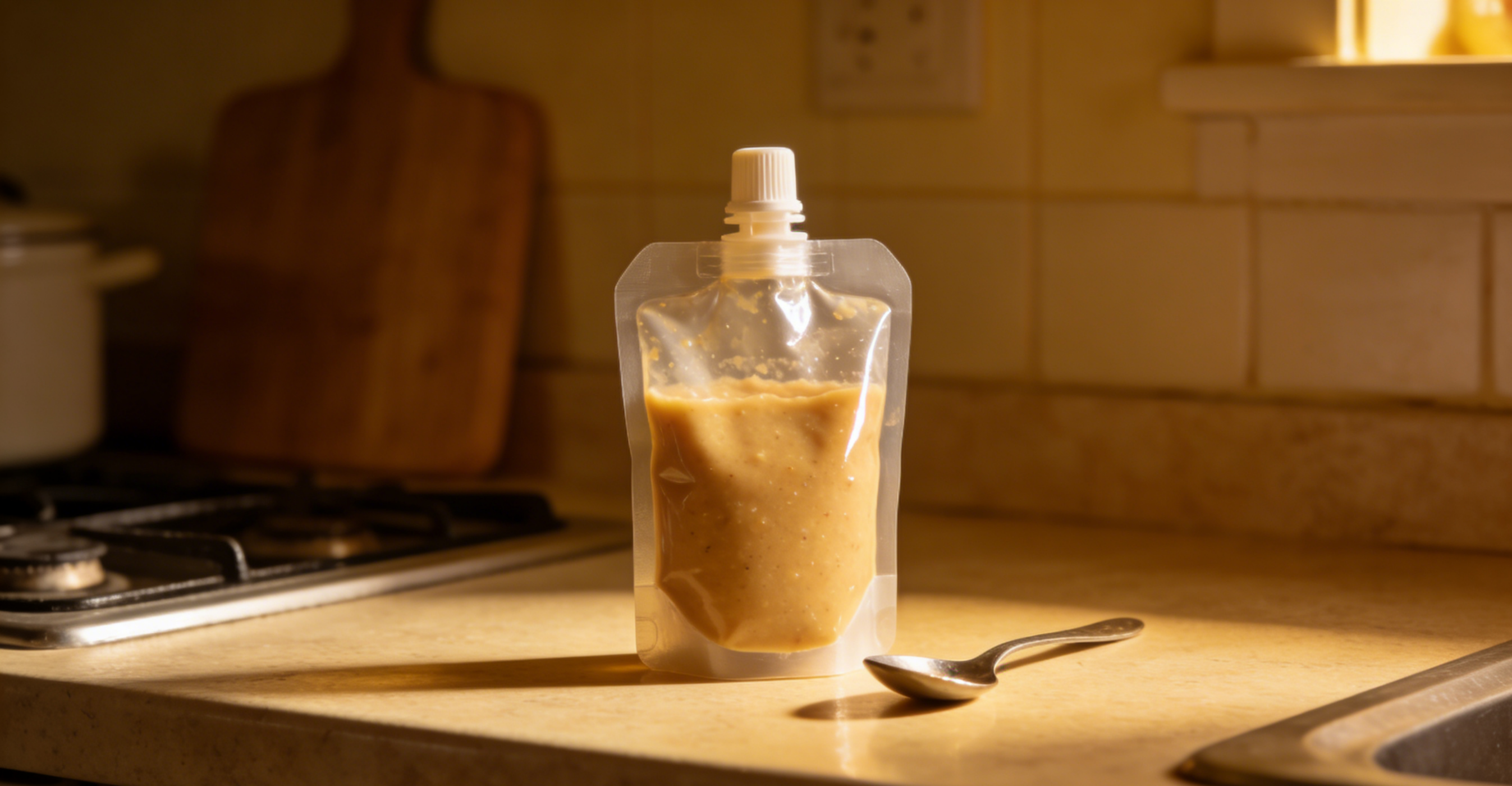
The environmental footprint of plastic pouches is a topic of intense debate, often overshadowed by misconceptions about their sustainability relative to rigid packaging. A life cycle assessment (LCA) by the IFEU Institute revealed that plastic pouches have a 63% lower climate change impact than glass jars and a 69% reduction compared to steel cans, primarily due to their material efficiency and lightweight design. However, challenges persist:
End-of-Life Management: Only 8.7% of plastic soft packaging is recycled globally, with most ending up in landfills or oceans. Complex layered structures and low recycling value hinder collection and processing.
Alternative Trade-Offs: Paper and non-woven bags, often promoted as eco-friendly alternatives, require more resources to produce. A paper bag must be reused 40+ times to offset its carbon footprint, while a non-woven polypropylene bag needs 52 uses to "break even" with a single-use plastic pouch.
Sustainable Practices: Brands are addressing these issues through three key strategies: (1) Source reduction—designing thinner films that use 26-80% less material than rigid containers; (2) Reusability programs—encouraging consumers to reuse pouches for storage or bulk purchases; (3) Circular systems—adopting "packaging as a service" models that include collection and recycling.
The global plastic pouch market is projected to grow from49.2 billion in 2025 to 84.0 billion by 2035, at a CAGR of 5.5%, driven by e-commerce expansion, consumer demand for convenience, and regulatory pressures. Key trends shaping the industry include:
Regional Growth Dynamics: Asia-Pacific leads with a CAGR of 7.4% (China) and 6.9% (India), fueled by urbanization and rising disposable incomes. Mature markets like North America (4.7% CAGR) focus on sustainability-driven innovations.
Smart Packaging Integration: Over 15% of high-end plastic pouches now include smart labels for product traceability and freshness monitoring, particularly in the fresh produce and pharmaceutical sectors.
Regulatory Compliance: With 60+ countries implementing plastic pollution regulations, manufacturers are prioritizing recyclable materials and meeting minimum recycled content requirements (up to 30% in some regions).
Customization and Branding: Digital printing technologies enable small-batch, personalized pouches, allowing brands to enhance shelf appeal and connect with consumers through unique designs and storytelling.

The plastic pouch is far more than a simple packaging solution—it is a dynamic product evolving to meet the dual demands of functionality and sustainability. Its lightweight design, material efficiency, and adaptability make it an essential choice for industries worldwide, while ongoing innovations in bio-based materials and recycling systems address environmental concerns. As consumers and regulators push for greener practices, the future of plastic pouches lies in circularity: reducing material use, extending product life, and ensuring end-of-life recyclability. By balancing performance, cost, and sustainability, the plastic pouch will continue to be a cornerstone of global packaging, proving that convenience and environmental responsibility can coexist.


