




 Chapter 1: The Great Packaging Myth: “Paper/Fabric = Eco-Friendly; Plastic = Harmful”
 Chapter 1: The Great Packaging Myth: “Paper/Fabric = Eco-Friendly; Plastic = Harmful”
The Hidden Environmental Cost of Paper Bags
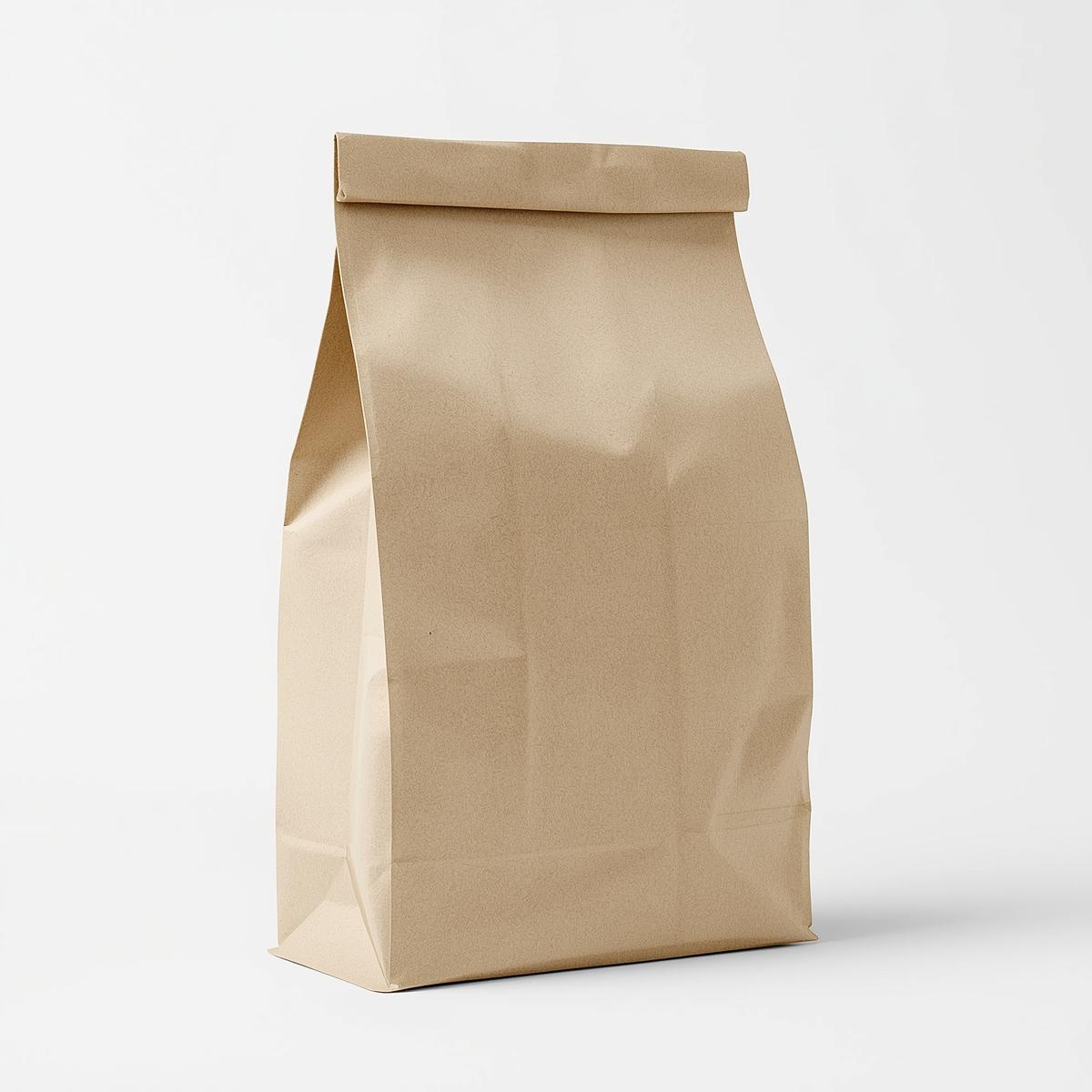
Raw Materials: A single paper bag requires 1.5 pounds of wood (equivalent to cutting down 1 tree every 1,000 bags). Deforestation for paper production contributes to 17% of global greenhouse gas emissions, according to the World Wildlife Fund (WWF).
Water & Energy Use: Producing 1 ton of paper bags uses 20,000 gallons of water—3x more than producing the same number of plastic bags. It also consumes 4x more energy, as paper requires pulping, drying, and pressing (EPA, 2024).
Biodegradation Reality: While paper does biodegrade, it requires specific conditions (moisture, oxygen, and microorganisms). In landfills—where most bags end up—paper decomposes slowly and releases methane, a greenhouse gas 28x more potent than CO₂ over 100 years (IPCC, 2023).
The “Reusability” Myth of Fabric Bags
Cotton’s Heavy Footprint: A standard cotton tote bag needs to be reused 131 times to offset its environmental impact—more than double the number of times the average consumer uses it (often just 50–60 times, per a 2023 study by the University of Sheffield). Why? Cotton farming uses 2,700 liters of water to produce 1 kilogram of cotton—enough to meet one person’s drinking needs for 2.5 years (World Resources Institute).
Polyester Fabric: Recycled polyester bags have a lower footprint than cotton, but they’re still made from plastic. If not recycled, they shed microplastics when washed, contributing to ocean pollution.
Plastic’s Surprising Sustainability Wins
Resource Efficiency: A single plastic bag uses 0.5 ounces of petroleum (a byproduct of oil refining) and 0.03 gallons of water to produce—far less than paper or cotton.
Lightweight = Lower Emissions: Plastic bags are 80% lighter than paper bags. This means fewer trucks are needed for transportation, reducing fuel consumption and CO₂ emissions. A 2024 study by the European Commission found that plastic bags generate 70% less transportation-related emissions than paper bags.
Recyclable & Degradable Options: Advanced plastics like recyclable PET, HDPE, and biodegradable PLA (made from corn starch) offer sustainability without sacrificing functionality. For example, recyclable PET bags have a 90% recycling rate in Europe, where proper sorting infrastructure exists.
Chapter 2: Cost Comparison: Which Bag Gives You the Best Value?
For businesses, cost is a make-or-break factor. Let’s break down the total cost of ownership (TCO)—not just the upfront price, but also long-term costs like replacement, transportation, and waste.
1. Upfront Cost (Per Unit)
Material | Cost Range (USD) | Notes |
Plastic (PE/PET) | 0.02–0.15 | Cheapest option. Thicker bags (for heavy products) cost more (0.08–0.15). |
Paper | 0.05–0.30 | Recycled paper costs 20% more than virgin paper. Laminated paper (for waterproofing) costs0.15–0.30. |
Fabric (Cotton) | 1.50–5.00 | Premium option. Organic cotton costs 50% more than conventional cotton. |
Fabric (Polyester Blend) | 0.80–2.50 | More affordable than cotton, but still pricier than plastic/paper. |
Plastic bags:200–1,500/month
Paper bags:500–3,000/month
Cotton bags:15,000–50,000/month

2. Transportation Cost
Plastic’s lightweight design slashes transportation costs. For example:
A truck can carry 500,000 plastic bags per trip.
The same truck can only carry 125,000 paper bags (4x fewer) or 10,000 cotton bags (50x fewer).
For businesses with global supply chains, this translates to significant savings. A 2023 report by Amazon Logistics found that switching from paper to plastic bags reduced their annual transportation costs by $12 million.
3. Replacement Cost
Plastic: Durable enough for 5–10 uses (if reused). Thick plastic bags (e.g., HDPE for heavy products) can last up to 20 uses.
Paper: Tears easily when wet or overloaded. Most paper bags are single-use, requiring frequent replacements.
Fabric: Longest lifespan (100+ uses), but prone to staining or tearing. Replacement is rare, but upfront cost is high.
Verdict: For short-term use (e.g., carrying groceries, packaging snacks), plastic has the lowest TCO. For long-term branding (e.g., retail tote bags), fabric may be worth the investment—but only if customers actually reuse them.
Chapter 3: Performance Showdown: Which Bag Protects Your Product Best?
A bag’s job isn’t just to hold items—it needs to protect your product from moisture, dirt, and damage. Let’s compare how plastic, paper, and fabric perform in key categories.
1. Moisture Resistance
Plastic: Excellent. PE and PET bags are 100% waterproof, making them ideal for:
Food products (e.g., fresh produce, baked goods, frozen foods)
Outdoor use (e.g., rain gear, beach items)
Shipping (e.g., preventing water damage during transit)
Paper: Poor. Paper absorbs moisture, leading to tearing and product spoilage. Laminated paper improves water resistance but adds cost and reduces recyclability.
Fabric: Poor to Moderate. Cotton absorbs water; polyester is water-resistant but not waterproof. Fabric bags are unsuitable for wet products or rainy conditions.
Case Study: A grocery store in Seattle (a rainy city) switched from paper to plastic bags and reduced produce spoilage by 40%. Why? Plastic kept fruits and vegetables dry, while paper bags absorbed rainwater and caused mold growth.
2. Weight Capacity
Plastic: Strong for its weight. A standard 50μm PE bag can hold 5–8 pounds; a 120μm HDPE bag can hold 15–20 pounds.
Paper: Weak. Most paper bags hold 3–5 pounds before tearing. Reinforced paper bags (with handles) can hold 8–10 pounds but cost 30% more.
Fabric: Strongest. A cotton tote can hold 20–30 pounds, but its bulk makes it impractical for small products.
Use Case: For heavy items (e.g., rice, canned goods, tools), thick plastic bags are the most cost-effective choice. Fabric bags work for retail branding but are overkill for everyday packaging.
3. Printability & Branding
Plastic: Versatile. Plastic bags support full-color digital printing, UV coating, and embossing. Clear plastic bags with printed logos (e.g., “Reusable for Storage”) are popular for branding.
Paper: Good, but limited. Paper accepts ink well, but dark colors may bleed. Laminated paper can’t be printed on easily, and paper bags fade faster than plastic.
Fabric: High-quality, but expensive. Screen printing on fabric produces vibrant, long-lasting designs, but the cost per unit is 10x higher than plastic.
Trend: E-commerce brands are increasingly using custom plastic bags (e.g., flat bottom plastic bags with full-color logos) to enhance unboxing experiences. A 2024 survey by Shopify found that 65% of customers remember brands that use visually appealing plastic packaging.
4. Storage & Space Efficiency
Plastic: Compact. Flat plastic bags can be folded or rolled, taking up 80% less storage space than paper or fabric bags. This is critical for small businesses (e.g., convenience stores, pop-up shops) with limited storage.
Paper: Bulky. Paper bags need to be stored flat to avoid creasing, and they take up 3x more space than plastic.
Fabric: Bulkiest. Fabric bags require hanging or folding, and they take up 10x more space than plastic.
Example: A small bakery with a 50-square-foot storage room can hold 100,000 plastic bags but only 30,000 paper bags or 10,000 fabric bags.
Chapter 4: How to Choose the Right Bag for Your Business (Step-by-Step Guide)
Now that you understand the pros and cons of each material, let’s walk through how to make a decision that aligns with your goals.
Step 1: Define Your Product’s Needs
Start by asking:
Is my product wet or dry? (Choose plastic for wet products.)
How heavy is it? (Thick plastic for heavy items; fabric for very heavy, long-term use.)
Does it need to stay fresh? (Plastic with barrier layers for food; paper for non-perishables.)
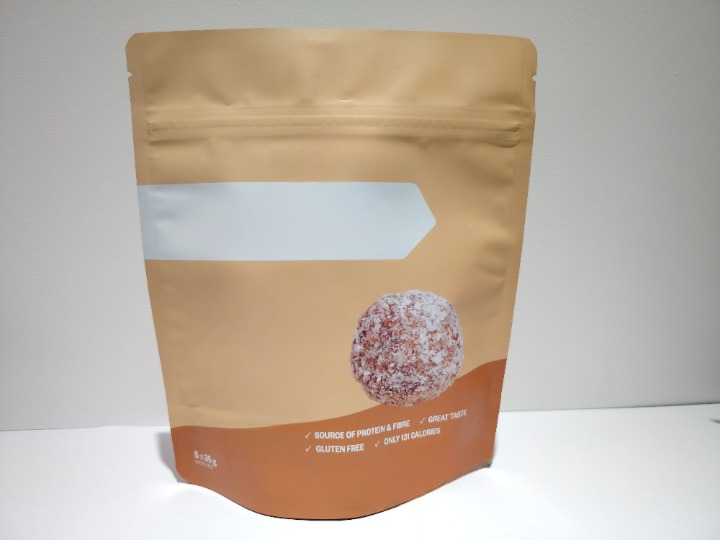
Example 1: A coffee brand needs to keep beans fresh for 6 months. Solution: Multi-layer plastic bags (PET/VMPET/PE) with oxygen barriers and one-way
Example 2: A boutique sells clothing. Solution: Fabric tote bags for branding (customers reuse them) + thin plastic bags for individual garment protection.
Step 2: Consider Your Customer Base
Price-Sensitive Customers: Plastic bags are the most affordable, making them ideal for budget-conscious shoppers (e.g., discount stores).
Eco-Conscious Customers: Offer recyclable plastic bags (with clear recycling instructions) or a mix of plastic and fabric (e.g., “Spend $50, get a free fabric tote”).
Luxury Customers: Use high-quality printed plastic bags (e.g., matte-finish PET bags) or fabric bags to match your brand’s premium image.
Tip: Avoid “greenwashing” (e.g., calling paper bags “eco-friendly” without disclosing their water use). Be transparent about your packaging choices—customers appreciate honesty.
Step 3: Evaluate Your Supply Chain
Global Shipping: Plastic bags reduce transportation costs and damage during transit.
Local Use: Paper bags may be more acceptable if your customers value “local, sustainable” branding (e.g., a farm-to-table restaurant).
Storage Space: Choose plastic if you have limited storage; fabric if you have room for bulkier items.
Step 4: Set a Sustainability Goal
Reduce Waste: Use recyclable plastic bags (e.g., PET, HDPE) and encourage customers to reuse them.
Lower Carbon Footprint: Plastic bags generate fewer emissions than paper or fabric.
Biodegradability: For single-use items (e.g., festival giveaways), use biodegradable PLA plastic bags.
Case Study: Walmart switched to 100% recyclable HDPE plastic bags in 2023. The move reduced their packaging waste by 35% and cut carbon emissions by 20%—all while saving $8 million annually in transportation costs.
Chapter 5: The Future of Packaging: Why Plastic Is Evolving (Not Disappearing)
Despite the backlash, plastic bags are here to stay—because they’re evolving to be more sustainable and functional. Here are three innovations shaping the future:
1. Recyclable & Circular Plastic
Brands are investing in “closed-loop” plastic systems, where used bags are collected, recycled, and turned into new bags. For example:
Coca-Cola’s “World Without Waste” initiative uses 100% recycled PET for its packaging bags.
Our own recyclable flat bottom plastic bags are made from 50% post-consumer recycled material and can be recycled again after use.
2. Biodegradable PLA Plastic
PLA (polylactic acid) is a plant-based plastic made from corn starch. It biodegrades in 3–6 months in industrial compost facilities, making it ideal for single-use items like:
Food samples
Festival wristbands
Temporary packaging
Note: PLA bags require specific composting conditions (50–60°C, high humidity), so they’re not a replacement for recyclable plastic in all cases.
3. Lightweight & High-Performance Plastic
New plastic technologies allow bags to be thinner while maintaining strength. For example:
Our ultra-thin PE plastic bags are 30% thinner than traditional bags but can still hold 8 pounds. This reduces material use by 30% and lowers carbon emissions.
Conclusion: Stop Choosing “Between” Materials—Choose “For” Your Business
The plastic vs. paper vs. fabric debate isn’t about picking a “winner”—it’s about picking the material that solves your unique problems.
Choose plastic if you need affordability, durability, moisture resistance, or global shipping. Opt for recyclable or biodegradable variants to meet sustainability goals.
Choose paper if you have local customers who value “biodegradable” branding and your product is dry and lightweight.
Choose fabric if you want a long-lasting branding tool (e.g., retail totes) and can afford the upfront cost.
At Maixin Packing Tech, we don’t just sell plastic bags—we sell packaging solutions tailored to your needs. Whether you need recyclable flat bottom bags for coffee, waterproof PE bags for produce, or biodegradable PLA bags for samples, we’ll help you find the right fit.
Ready to make a decision? Contact our team today for a free sample and a custom quote.
