




Rice packaging bags are more than just containers—they are critical for maintaining rice’s freshness, preventing contamination, and enabling efficient distribution. From household packs to industrial bulk supplies, the right packaging directly impacts product quality and consumer satisfaction.
Common Types of Rice Packaging Bags
Below is a comparison of widely used rice packaging solutions, highlighting their key attributes and use cases:
Type of Rice Packaging Bag | Core Features | Ideal Applications |
Plastic Laminated Bags | Moisture-proof, lightweight, cost-effective; zip-lock/heat-seal options | Retail (1kg-5kg packs); home storage |
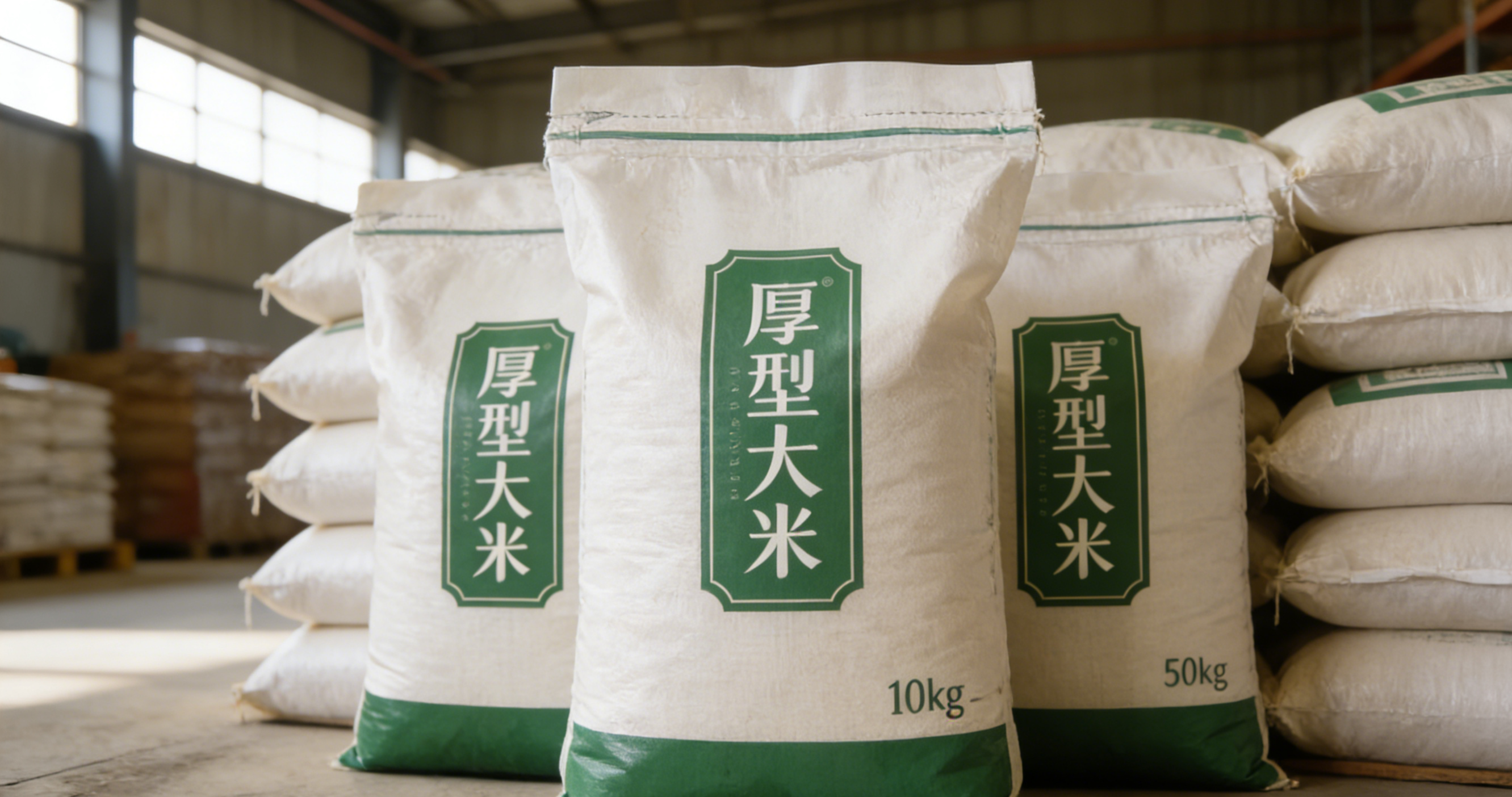
Woven Polypropylene (PP) Bags | Tear-resistant, durable, breathable; heavy-load capacity | Bulk supply (10kg-50kg); industrial/agricultural use |
Kraft Paper Bags | Eco-friendly, recyclable, biodegradable; optional PE lining | Premium brands; eco-conscious consumers (500g-2kg) |
Vacuum-Sealed Bags | Air-tight, oxidation-proof, shelf-life extender; transparent variants | High-grade rice (japonica/basmati); long-term storage; online retail |
Key Selection Factors
Choosing suitable rice packaging bags requires considering three core aspects:
Rice Characteristics: High-moisture rice needs moisture-proof options (e.g., plastic laminated bags), while premium varieties benefit from vacuum sealing.
Usage Scenarios: Bulk transportation demands sturdiness (woven PP bags), while retail focuses on convenience (easy-tear notches, clear windows).
Market Preferences: Eco-friendly packaging (kraft paper) appeals to sustainable consumers, while cost-sensitive markets favor plastic laminated bags.
Emerging Trends
Modern rice packaging bags are evolving with consumer needs:
Increased use of recyclable/biodegradable materials to reduce environmental impact.
Smart features (e.g., freshness indicators) to enhance product transparency.
Compact, space-saving designs for urban households with limited storage.
