




In the fast-paced world of modern consumption, snack packages are far more than mere containers—they are versatile tools that bridge functionality, consumer experience, and brand identity. From preserving the crispness of potato chips to fitting seamlessly into a commuter’s bag, these packages play a pivotal role in shaping how we interact with our favorite treats. Beyond practicality, they also serve as silent marketers, communicating a brand’s values, whether it’s sustainability, indulgence, or health consciousness. This article explores the multifaceted importance of snack packages, their evolving design trends, and the key factors that make them indispensable in the snack industry.
The Core Functions of Snack Packages
At their most fundamental level, snack packages are engineered to address three critical needs: preservation, convenience, and safety. Preservation is paramount for maintaining the quality of snacks—whether it’s blocking oxygen to prevent staleness in cookies, controlling moisture to keep nuts crunchy, or shielding delicate snacks like chocolate from temperature fluctuations. Vacuum-sealed bags, foil-lined pouches, and airtight containers are common solutions, each tailored to the specific requirements of the snack inside. Convenience, meanwhile, is a major driver of consumer choice. Resealable zippers, tear notches, and portion-sized packs allow for on-the-go consumption, eliminating the need for additional storage containers and reducing food waste. Safety is another non-negotiable function: packages must be food-grade, non-toxic, and resistant to contamination, ensuring that snacks reach consumers in a safe and hygienic condition.

A Comparative Look at Popular Snack Package Types
Different snacks demand different packaging solutions, each with its own set of advantages and ideal use cases. The table below highlights four common snack package types, their key features, and the snacks they best serve:
Package Type | Key Features | Ideal Snack Pairings | Advantages |
Stand-Up Pouches | Resealable zippers, lightweight, space-efficient, customizable printing | Chips, nuts, dried fruits, granola | Offers excellent barrier protection; stands upright for easy display and storage; customizable design enhances brand visibility |
Paper Bags | Eco-friendly, biodegradable, cost-effective | Popcorn, candy, baked snacks | Sustainable alternative to plastic; lightweight and easy to carry; can be printed with brand logos for a rustic, artisanal appeal |
Rigid Plastic Containers | Airtight lids, durable, reusable | Cookies, crackers, pretzels | Provides superior protection against crushing; reusable for added consumer value; transparent options allow consumers to see the product |
Foil Sachets | Compact, moisture-resistant, tamper-proof | Chocolate, energy bites, instant snacks | Perfect for single-serve portions; preserves freshness for extended periods; tamper-proof design builds consumer trust |
The Impact of Snack Packages on Brand Success
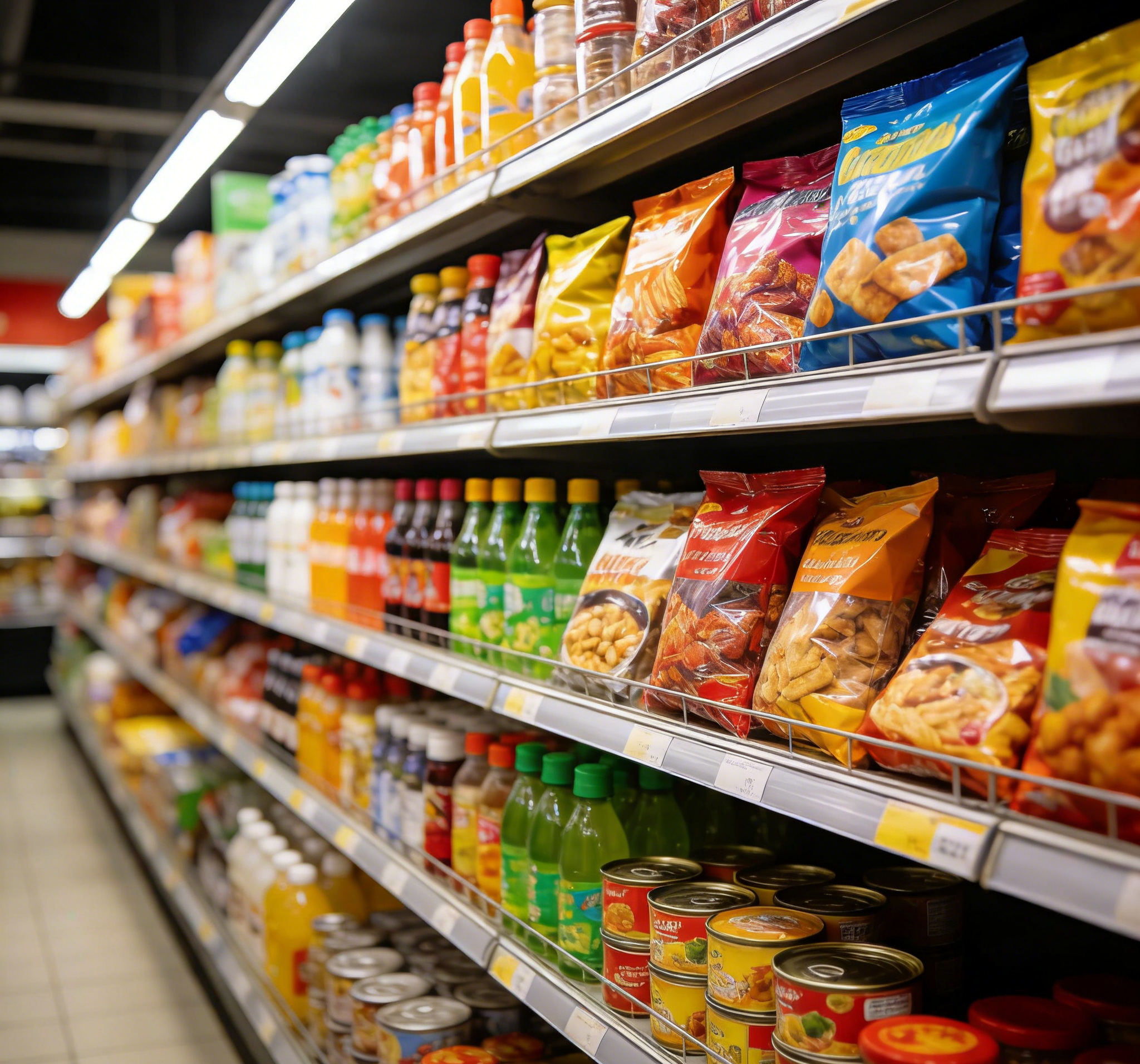
A well-designed snack package can be a powerful brand asset. It not only protects the product but also communicates the brand’s personality and values. For instance, a premium chocolate brand might use a sleek, foil-wrapped package with embossed details to convey luxury, while a health-focused snack company might opt for a minimalist, recyclable package with clear labeling of organic or gluten-free credentials. Moreover, snack packages play a crucial role in consumer decision-making. Studies show that consumers often make impulse purchases based on package design—attractive, functional, and sustainable packages are more likely to catch their eye and encourage trial. In a competitive market, a distinctive snack package can be the difference between a product being overlooked or chosen.
Conclusion
Snack packages are an integral part of the snack industry, combining practicality, innovation, and brand storytelling. From preserving freshness to reducing environmental impact, they fulfill multiple roles that directly impact consumer satisfaction and brand success. As the industry continues to evolve, the future of snack packages will likely be defined by a balance of sustainability, functionality, and creativity—ensuring that they remain not just containers, but essential partners in delivering enjoyable snacking experiences. Whether through eco-friendly materials, user-friendly features, or compelling design, snack packages will continue to adapt to meet the changing needs of consumers and brands alike.
