




Introduction: Why FMCG Brands Can’t Afford to Ignore Custom Plastic Packaging
Shelf Visibility: With 10,000+ products competing for attention in a typical supermarket, packaging that lacks uniqueness gets lost in the crowd. A 2023 study by the Point of Purchase Advertising International (POPAI) found that 70% of FMCG purchase decisions are made in-store—and custom packaging increases the likelihood of a product being picked up by 45%.
Supply Chain Waste: Generic packaging often doesn’t fit product dimensions, leading to overpacking (higher material costs) or underprotection (product damage during transit). The Food and Agriculture Organization (FAO) estimates that 12% of FMCG products are wasted due to inadequate packaging—costing brands $30 billion annually.
Understanding FMCG-Specific Plastic Packaging Requirements: Beyond “One-Size-Fits-All”
1. Food & Beverage: Safety, Freshness, and Compliance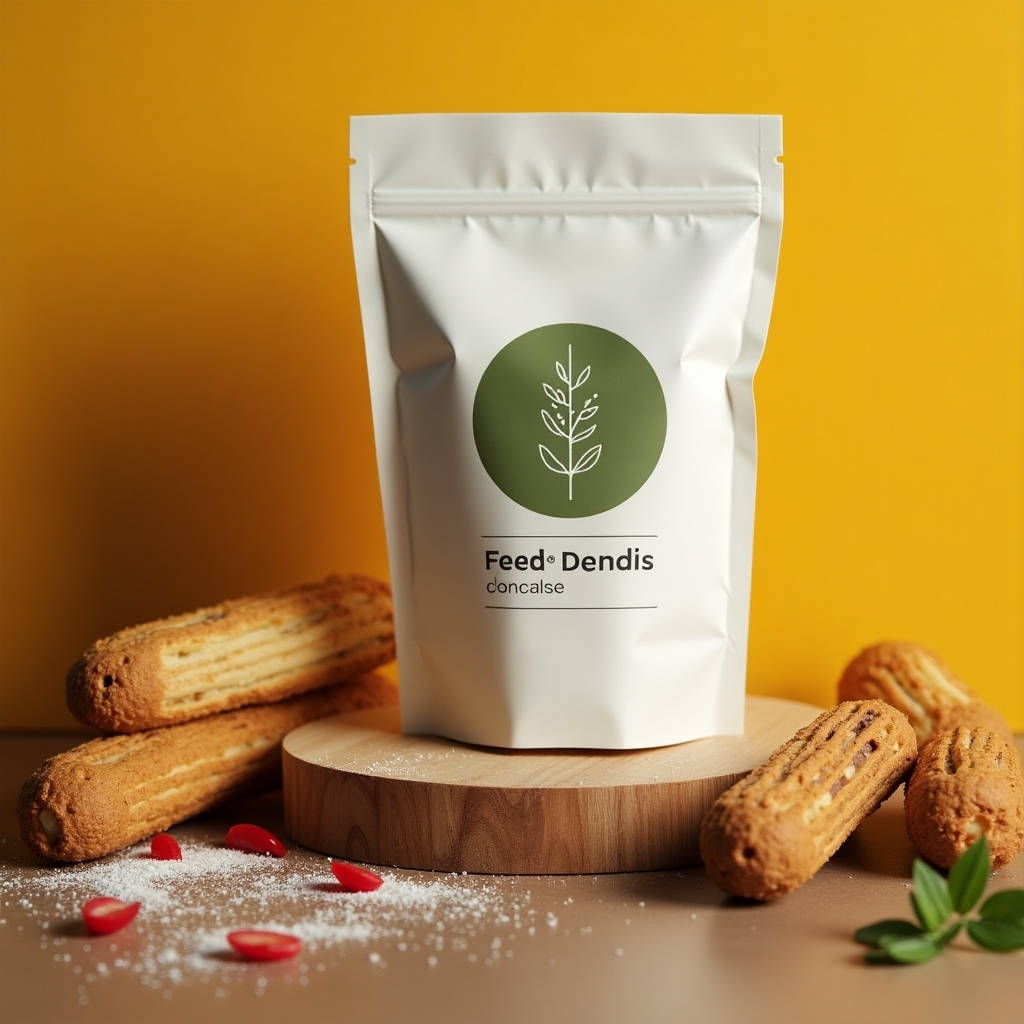
Barrier Properties: Oxygen, moisture, and light are the biggest enemies of food freshness. For example:
Snack products (chips, cookies): Require moisture barrier films (e.g., PET/PE) to prevent staling. A 2024 test by the Institute of Food Technologists (IFT) showed that PET/PE bags extend snack shelf life by 3–4 months compared to LDPE-only bags.
Fresh produce (berries, leafy greens): Need breathable films (e.g., micro-perforated PP) to release ethylene gas, reducing spoilage. Walmart reported a 28% drop in produce waste after switching to custom micro-perforated plastic packaging.
Liquid products (sauces, oils): Demand leak-proof seals (e.g., heat-sealed HDPE) and chemical resistance to avoid oil permeation.
Portion Control: Single-serve or multi-serve packaging directly impacts consumer convenience. For example, Coca-Cola’s 200ml mini plastic bottles (custom HDPE) drove a 15% sales increase in the convenience store channel, as they cater to on-the-go consumption.
Printing Safety: Inks used on food contact packaging must be “migratable-free”—avoiding heavy metals (lead, cadmium) and volatile organic compounds (VOCs). Water-based inks are the gold standard, as they meet FDA and EU requirements and reduce environmental impact.
2. Personal Care & Cosmetics: Aesthetics, Functionality, and Brand Storytelling
Transparency & Clarity: Consumers want to see the product (e.g., color, texture) before buying. PET plastic offers 90% light transmittance—higher than glass or PP—making it ideal for serums, lotions, and haircare products. L’Oréal’s custom PET plastic bottles for its skincare line increased product visibility, leading to a 22% rise in trial purchases.
Dispensing Mechanisms: Custom closures (pumps, sprays, flip-tops) enhance user experience. For example, a facial mist brand that switched to custom plastic spray bottles (with adjustable nozzles) saw a 30% increase in repeat purchases, as consumers valued the “fine mist” functionality.
Sustainability Messaging: Eco-conscious consumers (especially Gen Z and millennials) prioritize brands with sustainable packaging. Custom recyclable PET or PCR (post-consumer recycled) plastic packaging—with clear “recycle me” labels—resonates with this audience. Unilever’s Dove brand reported a 18% market share gain after launching custom PCR plastic bottles for its body wash line.
3. Household Cleaning Products: Durability, Chemical Resistance, and Child Safety
Chemical Resistance: Plastic materials must resist corrosion from bleach, ammonia, and other cleaning agents. HDPE and PP are the most suitable, as they have low chemical reactivity. Procter & Gamble (P&G) uses custom HDPE plastic bottles for Tide detergent, which can withstand 5+ years of storage without material degradation.
Child-Resistant Closures (CRCs): For toxic products (e.g., drain cleaners), CRCs are mandatory in 80+ countries. Custom plastic CRCs—such as push-and-turn caps—reduce accidental ingestion risks. The Consumer Product Safety Commission (CPSC) found that CRC-equipped plastic packaging reduced child poisoning incidents by 67% between 2018–2023.
Ergonomics: Heavy bottles (1–5L) need custom handles and grips to prevent slippage. A study by the American Society of Mechanical Engineers (ASME) showed that custom ergonomic plastic handles reduce user fatigue by 40% compared to generic designs.
Material Science for Custom FMCG Plastic Packaging: How to Choose the Right Plastic
1. Polyethylene (PE): The Workhorse of FMCG Packaging
Properties: Soft, flexible, lightweight, good moisture barrier, easy to seal (heat or pressure).
Ideal Applications: Single-serve food bags (e.g., candy, sandwich bags), squeeze bottles (e.g., ketchup, hand sanitizer), and liners for cardboard boxes.
Limitations: Poor oxygen barrier (not suitable for long-shelf-life foods), low heat resistance (melts at 105–115°C).
Case Study: McDonald’s uses custom LDPE plastic bags for its Happy Meal toys—LDPE’s flexibility protects toys from damage, and its low cost aligns with high-volume needs.
- High-Density Polyethylene (HDPE):
Properties: Stiff, durable, high chemical resistance, good moisture barrier, recyclable (RIC Code 2).
Ideal Applications: Rigid bottles (detergents, shampoo, milk), heavy-duty bags (grocery bags, bulk food bags), and caps/closures.
Limitations: Opaque (not suitable for products needing visibility), lower impact resistance at low temperatures.
Case Study: PepsiCo uses custom HDPE plastic bottles for its Aquafina water—HDPE’s durability reduces transportation damage, and its recyclability meets sustainability goals.
- Linear Low-Density Polyethylene (LLDPE):
Properties: More flexible than LDPE, higher impact resistance, better puncture resistance.
Ideal Applications: Stretch films (pallet wrapping for FMCG shipments), stand-up pouches (snacks, pet food), and agricultural films (but not directly FMCG, but used in supply chain).
Limitations: Higher cost than LDPE, poor oxygen barrier.
Case Study: Nestlé uses custom LLDPE stand-up pouches for its KitKat Chunky snacks—LLDPE’s puncture resistance prevents tearing during transit, and its flexibility allows the pouch to stand upright on shelves.
2. Polyethylene Terephthalate (PET): The Premium Choice for Visibility
Properties: High transparency (90% light transmittance), excellent oxygen barrier (when combined with coatings), recyclable, good chemical resistance, heat-resistant (up to 160°C for short periods).
Ideal Applications: Rigid bottles (soft drinks, juices, cosmetics), clear pouches (coffee, tea, snacks), and blister packs (pharmaceuticals, small toys).
Limitations: Higher cost than PE, poor impact resistance at low temperatures, not suitable for strong acids/bases.
Case Study: Starbucks uses custom PET plastic cups for its cold beverages—PET’s clarity showcases the drink’s color, and its recyclability aligns with the brand’s “Greener Stores” initiative.
3. Polypropylene (PP): The Heat-Resistant Option
Properties: Heat-resistant (melts at 160–170°C), good chemical resistance, lightweight, recyclable, can be made transparent or opaque.
Ideal Applications: Microwaveable food containers, fresh produce bags (micro-perforated), caps/closures, and rigid bottles (yogurt, sauces).
Limitations: Poor cold impact resistance (becomes brittle below 0°C), lower moisture barrier than PE/PET.
Case Study: Yoplait uses custom PP plastic cups for its yogurt—PP’s heat resistance allows consumers to microwave the yogurt, and its rigidity keeps the cup shape intact.
4. Multi-Layer Composites: For Complex FMCG Needs
PET/VMPET/PE: PET (clarity, rigidity) + VMPET (metallized PET, oxygen/light barrier) + PE (sealability). Ideal for coffee, tea, and dried foods (extends shelf life by 6–12 months).
PET/AL/PE: PET (clarity) + AL (aluminum foil, maximum barrier) + PE (sealability). Suitable for vacuum-sealed foods (meats, cheeses) and pharmaceuticals.
PP/EVOH/PP: PP (heat resistance) + EVOH (ethylene vinyl alcohol, oxygen barrier) + PP (sealability). Used for microwaveable meals and baby food.
Case Study: Kraft Heinz uses custom PET/VMPET/PE pouches for its ketchup packets—VMPET’s oxygen barrier prevents ketchup from oxidizing, and PE’s sealability ensures no leakage.
The Custom Plastic Packaging Design Process: From Concept to Prototype
1. Step 1: Define Requirements (2–4 Weeks)
Product Specs: What is the product’s weight, volume, texture (liquid/solid/powder), and shelf life?
Regulatory Compliance: Which standards apply (FDA, EU 10/2011, GB 4806.7)? Are there country-specific requirements (e.g., China’s mandatory recycling labels)?
Brand Goals: Is the priority shelf appeal (e.g., unique shape, bold colors), sustainability (e.g., recyclable materials, lightweight design), or cost (e.g., high-volume, low-cost)?
Supply Chain Needs: What is the order volume (10k vs. 1M units)? What are the transportation conditions (temperature, humidity, handling)?
Consumer Insights: How will consumers use the packaging (e.g., on-the-go, at home, single-serve)?
2. Step 2: Material & Structure Selection (3–5 Weeks)
Material Testing: Lab tests to verify if the recommended material meets barrier, chemical resistance, and compliance requirements. For example, if the product is a liquid sauce, the supplier will test the material’s oil permeation rate using ASTM D1653 standards.
Structural Design: Choosing the packaging type (pouch, bottle, bag) and features (zipper, spout, handle). For example, a snack brand may opt for a stand-up pouch with a zipper (for reusability) and a tear notch (for easy opening).
Cost Estimation: Providing a preliminary cost breakdown based on material type, structure complexity, and order volume. For example, a multi-layer PET/VMPET/PE pouch costs 20–30% more than a single-layer LDPE bag, but it extends shelf life and reduces waste.
3. Step 3: Graphic Design & Branding (4–6 Weeks)
Brand Consistency: Using brand colors, logos, and fonts to ensure recognition. For example, Coca-Cola’s red and white color scheme is consistent across all its plastic bottles, reinforcing brand recall.
Regulatory Information: Including mandatory labels (ingredients, expiration date, recycling code, country of origin) in a clear, readable format. The EU’s FIC (Food Information to Consumers) Regulation requires font sizes of at least 1.2mm for text on packaging.
Visual Hierarchy: Prioritizing key information (product name, unique selling points) to catch consumers’ eyes. A study by the Nielsen Norman Group found that consumers spend 2–3 seconds scanning packaging—so the most important info should be in the top 1/3 of the design.
Printing Technology: Choosing the right printing method (flexographic, digital, gravure) based on order volume and design complexity:
Flexographic Printing: Ideal for high-volume orders (100k+ units), cost-effective, suitable for simple designs. Used for grocery bags, detergent bottles.
Digital Printing: Perfect for low-to-medium volume orders (1k–50k units), fast turnaround, supports full-color, high-resolution designs. Used for limited-edition FMCG products (e.g., holiday-themed snack packs).
Gravure Printing: Best for ultra-high volume (1M+ units) and premium designs (e.g., cosmetics bottles). Offers the highest print quality but has high setup costs.
4. Step 4: Prototype Development & Testing (3–5 Weeks)
Physical Tests:
Drop Test: Simulating transportation damage (e.g., dropping the packaging from 1.2m onto concrete) to check for cracks or leaks.
Seal Strength Test: Using a tensile tester to ensure seals don’t break under pressure (critical for liquid or vacuum-sealed products).
Puncture Resistance Test: Measuring how well the packaging resists tears (important for sharp products like chips or toys).
Sustainability Tests:
Recyclability Test: Verifying the packaging can be processed by standard recycling facilities (per RIC codes).
Carbon Footprint Test: Calculating the packaging’s environmental impact using tools like the Greenhouse Gas Protocol.
Consumer Testing: Getting feedback from target consumers on usability (e.g., “Is the zipper easy to open?”) and shelf appeal (e.g., “Would you pick this product over competitors?”).
5. Step 5: Mass Production & Quality Control (Timeline Varies by Volume)
Material Sourcing: Ensuring raw materials meet quality standards (e.g., food-grade PE from certified suppliers).
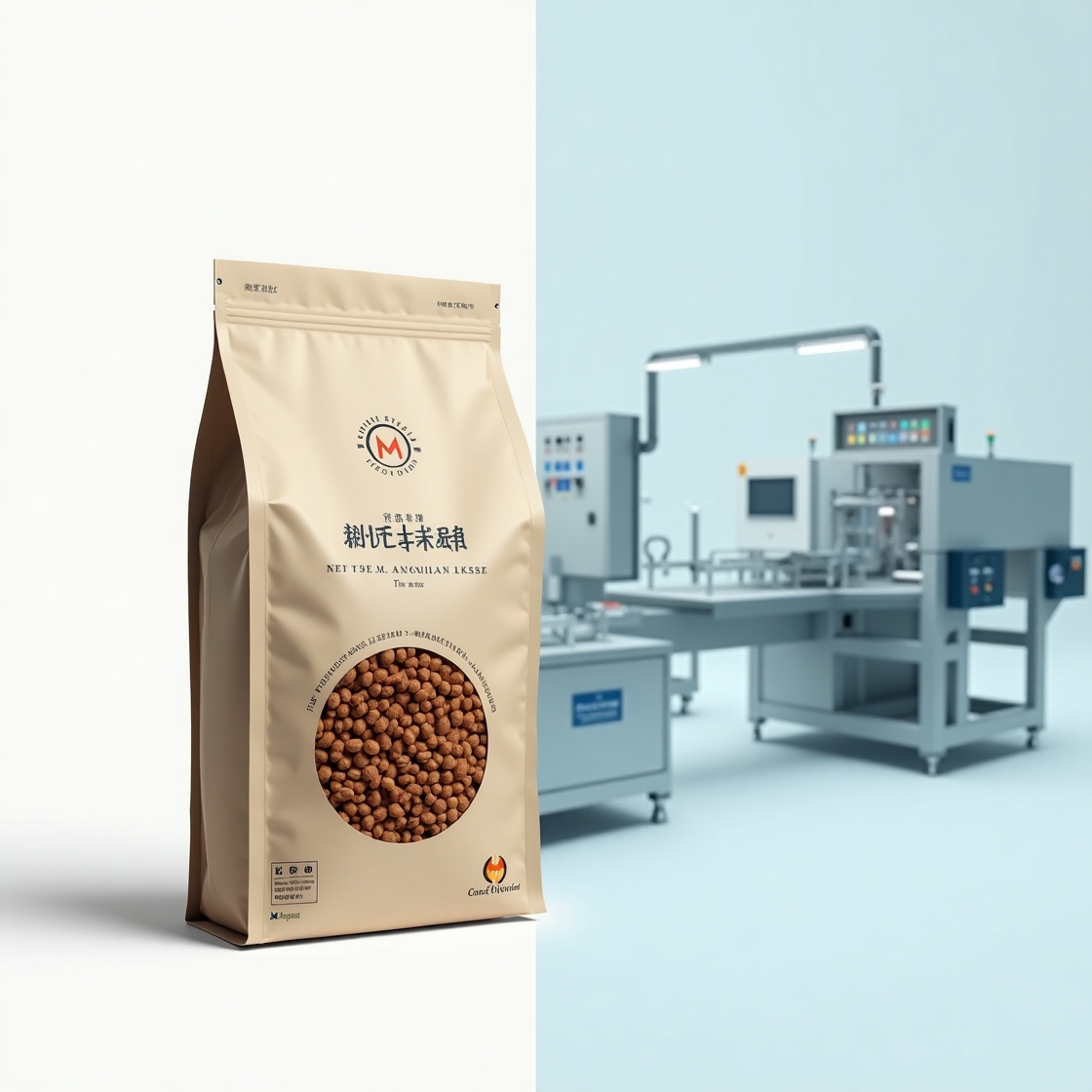
Production Monitoring: Using real-time data to track production speed, defect rates, and material usage. For example, Maixin Packing Tech uses IoT sensors on its bag-making machines to detect defects (e.g., uneven seals) and reduce waste to <1%.
Quality Control (QC) Checks: Conducting random sampling at every stage
Custom Plastic Packaging
Plastic Packaging
High-Durability Plastic bag
