




If you’ve bought groceries, ordered takeout, or received a package recently, you’ve likely handled a kraft paper bag. These sturdy, brown bags have become ubiquitous in retail and food service, often replacing traditional plastic options. But have you ever wondered what actually makes them different from standard paper?
Kraft paper bags are more than just a vessel for carrying goods; they represent a significant shift in packaging technology and sustainability. Unlike regular paper, which can be weak and prone to tearing, kraft paper is engineered for durability and strength. Its unique manufacturing process results in a material that can withstand heavy loads while remaining biodegradable and recyclable.
In this guide, we will explore the science behind kraft paper, why it has become the gold standard for eco-friendly packaging, and how businesses are using it to elevate their brand image while protecting the planet.
The Science Behind Kraft Paper
To understand what a kraft paper bag is, we first need to look at the material itself. The word "kraft" comes from the German word for "strength," which is a fitting descriptor for this robust material.
The Kraft Process
Regular paper is often made using a process that leaves behind a lot of lignin—a natural polymer that binds wood fibers together but also weakens the paper and makes it turn yellow over time (think of old newspapers).
Kraft paper is produced using the Kraft process, a chemical pulping method. Wood chips are treated with a hot mixture of water, sodium hydroxide, and sodium sulfide. This process breaks down the bonds linking lignin, carbohydrates, and cellulose. By removing the majority of the lignin, the wood fibers are left intact and long. Long fibers are the secret to strength; they interlock tightly, creating a durable and tear-resistant sheet.
Why Is It Usually Brown?
The natural color of wood pulp is brown. Because the Kraft process doesn't involve extensive bleaching (unless white kraft paper is specifically required), the paper retains its natural wood color. This lack of bleaching not only maintains the integrity of the fibers but also reduces the chemical impact on the environment, making the brown kraft paper bag a symbol of eco-consciousness.
Key Benefits of Using Kraft Paper Bags
Businesses ranging from high-end boutiques to local bakeries are switching to kraft packaging. Here is why this material is dominating the industry.
1. Superior Strength and Durability
The primary advantage of a kraft paper bag is its tensile strength. Because of the long fibers and reduced lignin content, these bags can carry heavier loads than standard paper bags without ripping. This makes them ideal for grocery stores, where bags need to hold heavy canned goods or glass bottles.
2. Eco-Friendly and Sustainable
Sustainability is no longer just a trend; it's a business requirement. Kraft paper is 100% biodegradable. Unlike plastic, which can persist in landfills for centuries, kraft paper decomposes naturally within a few weeks, returning to the earth as cellulose fibers. Additionally, because the raw material is often unbleached, fewer chemicals are involved in its production.
3. Recyclability
Kraft paper is one of the most easily recyclable materials available. The long fibers that make it strong also make it valuable to recycling centers, as it can be reused multiple times to create new paper products.
4. Customization and Branding
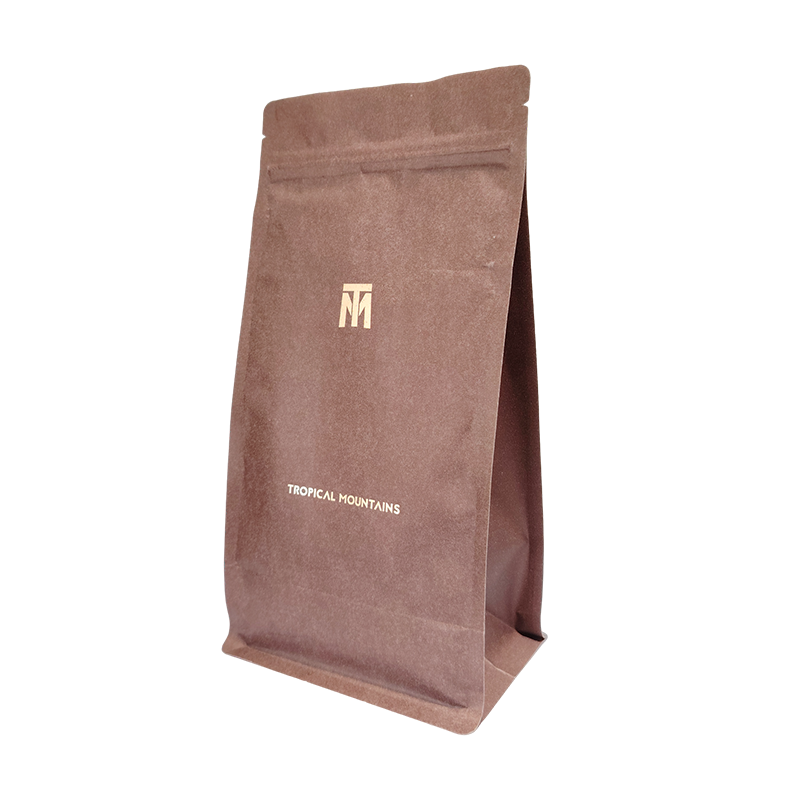
The natural texture of kraft paper offers a rustic, organic look that appeals to modern consumers. However, it is also highly printable. Businesses can easily print logos, slogans, and designs onto the surface, turning a simple carrier bag into a mobile billboard.
Types of Kraft Paper Bags
Not all kraft bags are created equal. Depending on the intended use, manufacturers produce several variations.
Virgin Natural Kraft Paper
This is the strongest form of kraft paper, made directly from wood pulp. It is durable and clean, making it FDA-approved for direct contact with food. You will often see this used for bakery bags or heavy-duty industrial packaging.
Natural Recycled Kraft Paper
Made from recycled pulp, this version is slightly less strong than virgin kraft but is even more environmentally friendly. It is commonly used for retail shopping bags, garment bags, and void fill for shipping boxes.
Bleached (White) Kraft Paper
Sometimes, businesses want the strength of kraft paper but with a clean white appearance for high-quality printing. In this case, the pulp is bleached. While this slightly reduces the strength and eco-credentials, it provides a pristine canvas for vibrant branding.
Comparison: Kraft Paper vs. Regular Paper vs. Plastic
To better understand where the kraft paper bag fits into the packaging hierarchy, let’s compare it to its main competitors.
Feature | Kraft Paper Bags | Regular Paper Bags | Plastic Bags |
Strength | High (Long fibers) | Low to Medium | High (but stretches) |
Biodegradability | Excellent | Good | Poor (takes centuries) |
Production Process | Chemical pulping (removes lignin) | Mechanical or chemical | Petroleum-based |
Recyclability | High | High | Low (often difficult) |
Appearance | Rustic, natural brown | Varied, often white | Smooth, synthetic |
Cost | Cost-effective | Varies | Very low |
Applications in Modern Business
The versatility of kraft paper allows it to be used across various sectors.
Food Industry
Because virgin kraft paper is food-safe, it is extensively used in the food sector. Restaurants use kraft bags for takeout orders because the material is breathable, preventing hot food from becoming soggy—a common problem with plastic bags.
Retail and Fashion
Clothing brands favor kraft bags for their aesthetic appeal. The sturdy nature of the paper allows for reinforced handles, giving customers a sense of luxury and reliability when carrying their purchases.
Industrial Packaging
Beyond shopping bags, kraft paper is used for multi-wall sacks to transport cement, flour, sugar, and animal feed. The elasticity of the paper allows it to absorb shock during transport without bursting.
How to Choose the Right Manufacturer
If you are a business looking to switch to kraft packaging, selecting the right partner is crucial. You need a manufacturer that understands the nuances of material thickness, handle types, and print quality.
At Maixin Packaging, we specialize in creating high-quality flexible packaging solutions tailored to your needs. With over 15,000 square meters of production space and a team of 168 highly skilled technicians, we ensure that every bag meets rigorous quality standards.
Whether you need stand-up pouches, zip-lock pouches, or custom kraft paper bag solutions, we focus on R&D to tailor unique properties for specific customer needs. Our commitment to quality is backed by our ISO 9001:2005 certification.
For more information on our capabilities and to explore our factory, visit our About Us page.
The Future of Packaging is Brown
As the world moves away from single-use plastics, the demand for sustainable alternatives will only grow. The kraft paper bag sits at the intersection of functionality and environmental responsibility. It offers the strength businesses need to protect their products and the sustainability credentials consumers demand.
By understanding the science and benefits behind kraft paper, you can make informed decisions that benefit both your bottom line and the planet. Whether you are packaging coffee beans, clothing, or industrial materials, kraft paper provides a resilient, attractive, and eco-friendly solution.
