




In the ever - evolving landscape of packaging, few innovations have gained traction as rapidly as stand - up zipper bags. From the shelves of neighborhood convenience stores to the virtual aisles of e - commerce platforms, these bags have become a ubiquitous sight, housing everything from snacks and coffee to cosmetics and pet food. Their soaring popularity is no accident; it stems from a perfect blend of functionality, consumer - centric design, marketing adaptability, and alignment with modern lifestyle trends. This article delves into the key factors that have propelled stand - up zipper bags to the forefront of the packaging industry.
1. Unmatched Convenience for Modern Lifestyles
In an era where speed and ease of use are paramount for consumers, stand - up zipper bags excel in delivering convenience that traditional packaging (such as rigid cans, paper boxes, or flat plastic bags) often lacks.
Stand-Up Design: Stability and Accessibility
The defining feature of these bags—the ability to stand upright on shelves or countertops—addresses a common pain point of conventional packaging. Unlike flat plastic bags that collapse when opened or rigid containers that take up excessive space, stand - up zipper bags maintain their shape even after opening. For example, a bag of granola can be placed directly on a kitchen counter, allowing users to reach in easily without holding the bag open. This stability also makes them ideal for on - the - go use: a traveler can toss a stand - up zipper bag of trail mix into a backpack, and it won't spill or get crushed. For retailers, the stand - up design maximizes shelf space efficiency—bags can be stacked neatly, reducing clutter and making products more visible to shoppers.
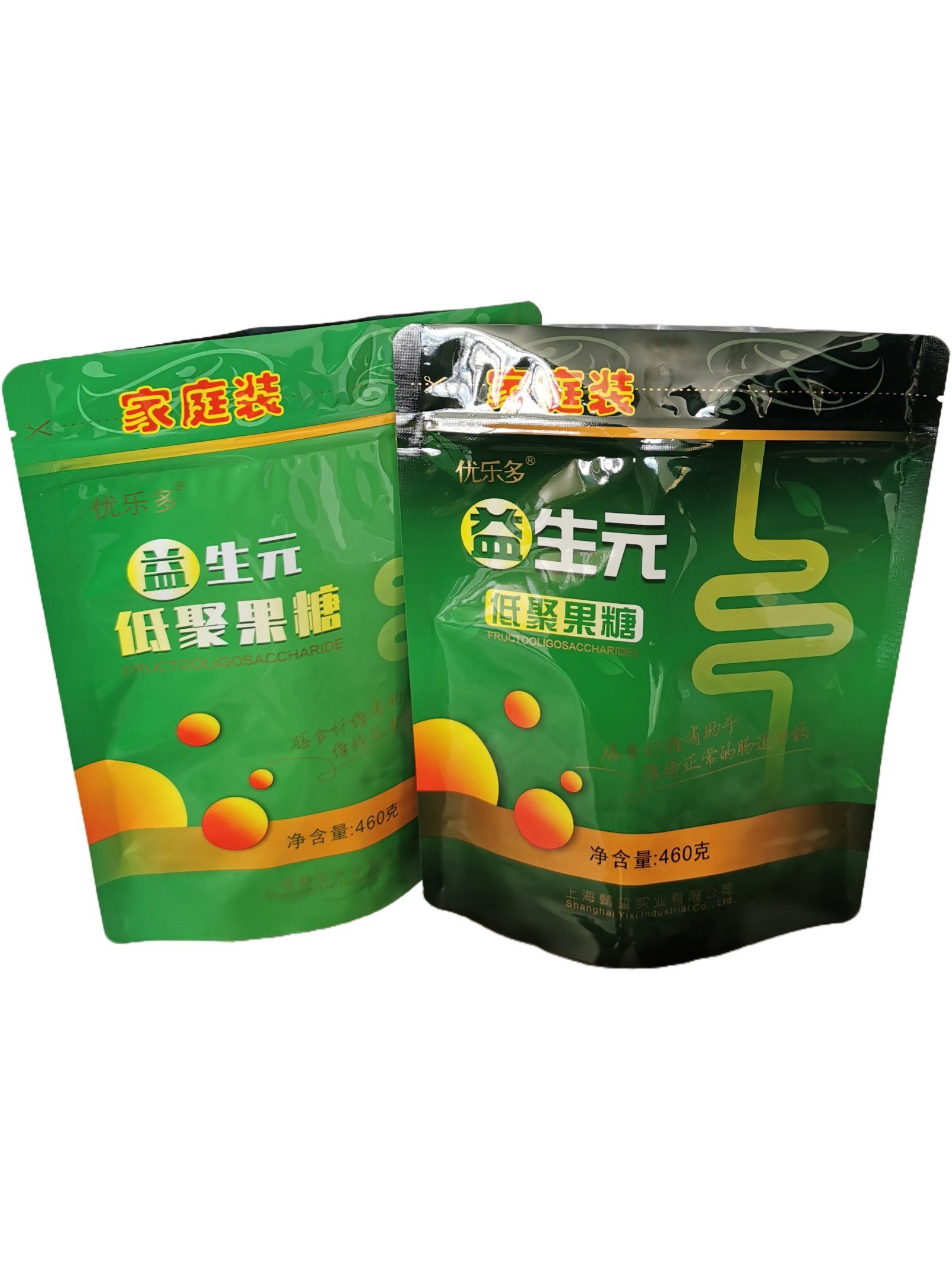 Zipper Closure: Freshness and Reusability
 Zipper Closure: Freshness and Reusability
The zipper closure is another game - changer. Traditional packaging like heat - sealed plastic bags or paper boxes often requires scissors to open and, once opened, can only be sealed with clips or tape—imperfect solutions that fail to preserve freshness. Stand - up zipper bags, by contrast, feature a resealable zipper that creates an airtight seal with a simple pinch. This is a boon for products that need to stay fresh over time, such as coffee beans (which lose aroma when exposed to air), dried fruits (prone to moisture absorption), or pet food (susceptible to spoilage). A study by a leading packaging research firm found that products in resealable stand - up bags retain their freshness for 30% longer than those in non - resealable packaging. Additionally, the durability of the zipper allows the bags to be reused multiple times—consumers often repurpose them for storing small items like jewelry, stationery, or travel toiletries—adding value beyond the original product.
2. Versatility Across Product Categories
Stand - up zipper bags are not limited to a single industry; their flexible design and customizable features make them suitable for a wide range of products, from food to non - food items. This versatility has made them a top choice for brands across sectors.
Food and Beverage: The Largest Adopter
The food and beverage industry is the biggest user of stand - up zipper bags, and for good reason. These bags can be tailored to meet the unique needs of different food types:
Snacks: Chips, cookies, and popcorn benefit from the bag's ability to expand (accommodating air to prevent crushing) while the zipper keeps them crispy.
Frozen Foods: Thick, freezer - grade stand - up zipper bags resist low temperatures and prevent freezer burn, outperforming traditional plastic wrap or thin bags.
Powders and Granules: Flour, sugar, and protein powder require moisture - proof packaging. Stand - up zipper bags with aluminum foil liners (for enhanced barrier properties) keep these products dry and clump - free.
Premium Foods: Artisanal chocolates, gourmet nuts, and organic teas often use matte - finish stand - up zipper bags with clear windows—combining elegance with functionality to appeal to discerning consumers.
Non-Food Applications: Expanding Horizons
Beyond food, stand - up zipper bags have carved out a niche in other industries:
Cosmetics and Personal Care: Small - batch skincare products (like face masks, bath salts, or hair serums) use compact stand - up zipper bags that are lightweight and travel - friendly. The clear window allows customers to see the product, while the zipper keeps it sealed from contaminants.
Home and Cleaning: Eco - friendly laundry detergent pods or dishwasher tablets are often packaged in stand - up zipper bags—they are durable enough to withstand handling and can be stored under sinks without leaking.
Pet Supplies: Dry cat food or dog treats come in large - capacity stand - up zipper bags that are easy to pour from and reseal, eliminating the need for bulky storage bins.
3. Marketing and Branding Advantages
In a competitive market, packaging is more than just a container—it's a tool for brands to connect with consumers. Stand - up zipper bags offer unique marketing benefits that help brands stand out.
Large Printable Surface
The flat, wide front and back of stand - up zipper bags provide ample space for branding, product information, and eye - catching designs. Unlike curved cans or small sachets, these bags allow brands to display high - resolution logos, vivid images, and detailed product stories (such as “organic,” “gluten - free,” or “sustainably sourced”). For example, a brand selling organic snacks can use the bag's surface to feature photos of its farm - to - table process, reinforcing its values to consumers. This large printable area also helps with compliance—brands can easily include nutrition labels, ingredient lists, and barcode information without overcrowding.
Visual Appeal and Shelf Presence
The stand - up design naturally draws attention on store shelves. When placed next to flat bags or rigid containers, stand - up zipper bags are taller and more visible, making it easier for shoppers to spot the product. Brands can further enhance shelf appeal by using innovative materials: metallic finishes for a premium look, transparent windows to showcase the product inside, or matte textures for a sleek, modern vibe. A survey of grocery shoppers found that 65% are more likely to notice products in stand - up packaging compared to other formats.

4. Cost-Effectiveness and Sustainability
For brands, packaging must balance performance with cost. For consumers, environmental impact is increasingly a priority. Stand - up zipper bags excel on both fronts.
Lower Production and Transportation Costs
Compared to rigid packaging like glass jars or tin cans, stand - up zipper bags are lighter and take up less space during production and shipping. They are made from flexible materials (such as polyethylene or polypropylene) that require less energy to manufacture. Additionally, their collapsible design means more bags can be packed into a single shipment—reducing fuel consumption and transportation costs. A study by a packaging manufacturer found that brands using stand - up zipper bags save up to 20% on shipping costs compared to those using rigid containers. For small businesses, this cost efficiency is a major advantage, allowing them to compete with larger brands without compromising on packaging quality.
Alignment with Sustainable Trends
While plastic packaging often faces criticism for environmental impact, stand - up zipper bags have evolved to meet consumer demand for sustainability. Many brands now use recyclable materials (such as LDPE or PP) for their stand - up zipper bags, and some even offer compostable options made from plant - based materials like cornstarch. The reusability of the zipper closure also reduces waste—consumers are less likely to throw away a bag that can be used multiple times. Additionally, the lightweight design of stand - up bags reduces carbon emissions during transportation, as lighter loads require less fuel. Some brands have also adopted “lightweighting” techniques—using thinner but durable materials—to reduce plastic usage without sacrificing performance. These sustainable features resonate with eco - conscious consumers, who are more likely to choose brands that prioritize environmental responsibility.
5. Adaptability to E-Commerce Growth
The boom in e - commerce has transformed packaging requirements—products must withstand the rigors of shipping (including stacking, shaking, and temperature changes) while remaining presentable when they reach the customer. Stand - up zipper bags are perfectly suited to this challenge.
Their durable material resists tearing and puncturing, protecting products during transit. Unlike paper boxes that can get wet or crushed, stand - up zipper bags with water - resistant coatings keep contents dry. For online retailers, the bags also offer branding opportunities: custom - printed bags with the brand's logo and a “thank you” message enhance the unboxing experience, turning a simple delivery into a memorable moment for customers. Additionally, their lightweight design helps keep shipping costs low for e - commerce brands, which is critical in a market where consumers often expect free or affordable shipping.
Conclusion
The popularity of stand - up zipper bags is the result of their ability to solve real problems for both brands and consumers. They deliver unmatched convenience for modern, on - the - go lifestyles, offer versatility across product categories, provide powerful marketing tools for brands, balance cost - effectiveness with sustainability, and adapt seamlessly to the growth of e - commerce. As consumer preferences continue to shift toward convenience, sustainability, and visual appeal, stand - up zipper bags are not just a passing trend—they are a packaging solution that will remain at the forefront of the industry for years to come. For brands looking to connect with today's consumers, investing in stand - up zipper bags is more than a packaging choice; it's a way to meet the needs of a rapidly changing market.
