




Flexible film packaging has become a cornerstone of modern food production, offering a lightweight, durable, and cost-effective alternative to rigid containers. Manufacturers across the snack, confectionery, and beverage industries rely on rolled film materials to protect products from moisture, oxygen, and contamination while keeping production lines running efficiently. This guide explains how these materials work, what makes them effective, and how to select the right option for your packaging line.
Understanding Flexible Film Materials
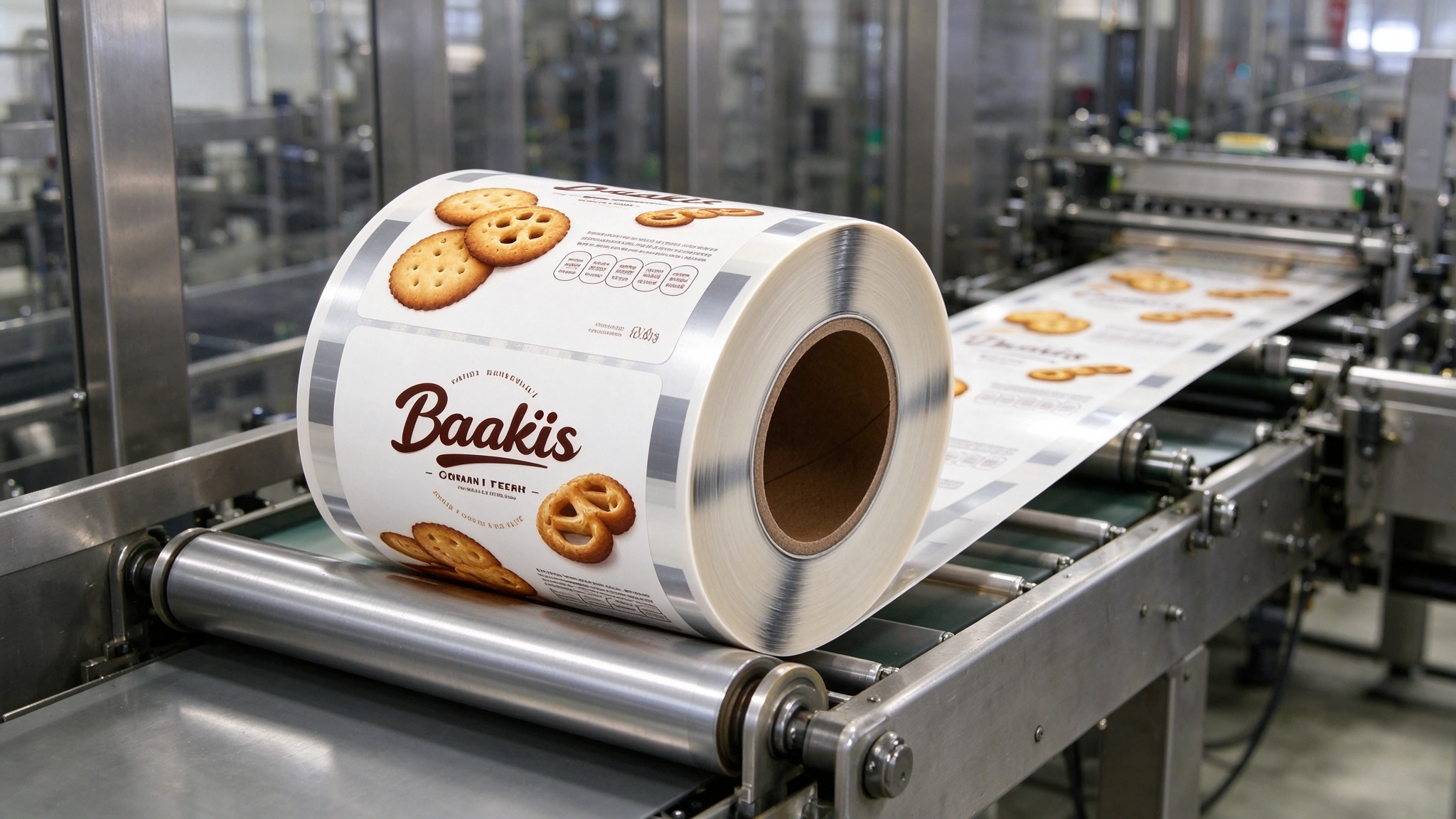
Rolled film materials are continuous sheets of plastic or laminated substrate wound onto large spools, designed to be fed directly into automated packaging equipment. Unlike pre-formed bags, these rolls allow manufacturers to form, fill, and seal packages in a single continuous process, which significantly reduces labor and material waste.
Packaging roll film is typically composed of multiple layers, each serving a distinct purpose. An outer layer provides printability and visual appeal, a middle layer often contributes strength or barrier properties, and an inner sealant layer ensures a secure, leak-proof closure. Common base materials include polyethylene (PE), polypropylene (BOPP), and aluminum-laminated composites, each chosen based on the product's shelf-life requirements and sensitivity to light, oxygen, or humidity.
Maixin Packaging, based in Zhongshan, China, manufactures these materials in-house, blowing PE and PVC film at its own facilities. This vertical control over raw material production allows for tighter quality consistency and the ability to tailor film properties to specific customer needs, from barrier strength to tensile flexibility.
Why Manufacturers Choose Rolled Film Formats
Food and consumer goods producers increasingly favor film roll packaging over pre-made pouches for several practical reasons:
Production efficiency: Continuous rolls integrate directly with form-fill-seal machinery, enabling high-speed, automated packaging runs with minimal downtime.
Reduced storage footprint: A single roll replaces thousands of pre-formed bags, saving significant warehouse space.
Design flexibility: Printing can be customized across the entire roll length, supporting consistent branding without the limitations of individual bag templates.
Material efficiency: Rolls minimize offcuts and trim waste compared to pre-cut packaging formats.
Barrier customization: Multi-layer lamination can be adjusted to target specific preservation needs, such as moisture resistance for nuts or oxygen barriers for coffee.
These advantages explain why roll-format packaging remains a preferred choice for snack foods, tomato sauce sachets, pet treats, and other high-volume consumer goods.
Common Applications Across Industries
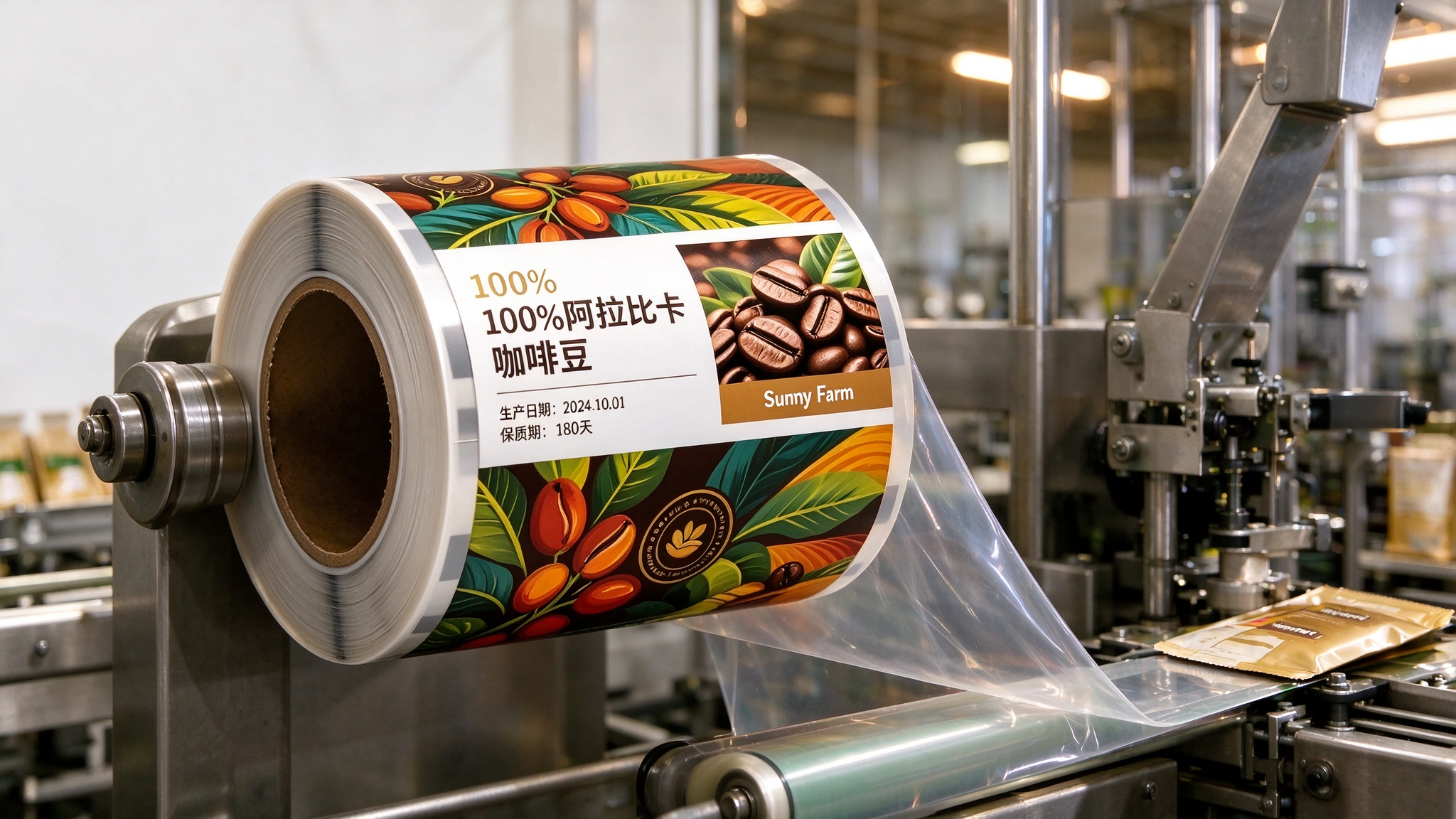
Rolled film packaging supports a wide variety of product categories, each with distinct performance requirements. Snack manufacturers often require films with strong grease resistance and high-speed sealing compatibility, since products like nuts and chips move through automated lines at rapid rates. Coffee and tea producers typically need enhanced oxygen and moisture barriers to preserve aroma and freshness over extended shelf periods.
Condiment and sauce packaging, such as tomato ketchup sachets, demands films with strong seal integrity to prevent leakage during transport and handling. Pet food applications often call for puncture-resistant, heavy-duty laminates capable of withstanding rougher handling throughout the supply chain. Maixin Packaging produces tailored film roll packaging for each of these categories, adjusting layer composition and thickness according to the specific product being packaged.
Comparing Common Film Types
The table below outlines key characteristics of commonly used rolled film materials, helping buyers match material properties to product needs.
Film Type | Typical Barrier Strength | Best Suited For | Flexibility |
|---|---|---|---|
PE (Polyethylene) | Moderate moisture barrier | General snacks, dry goods | High |
BOPP (Biaxially Oriented PP) | Good moisture and gloss finish | Branded retail snacks | Moderate |
Aluminum-Laminated Film | High oxygen and light barrier | Coffee, tea, sensitive foods | Moderate |
PVC Shrink Film | Tight-fit shrink coverage | Bundling, labeling | High |
Selecting between these materials depends largely on the product's sensitivity to environmental factors and the desired shelf life. Products requiring long-term freshness protection, such as roasted coffee, generally perform better with aluminum-laminated structures, while dry snack items can often rely on simpler PE or BOPP constructions.
Key Factors to Consider When Selecting Film
Choosing the right packaging roll film involves balancing several technical and practical considerations. Thickness, measured in microns, affects both durability and material cost, with thicker films offering stronger puncture resistance but higher material usage per unit. Seal strength is another critical factor, particularly for liquid or semi-liquid products where leakage could compromise the entire shipment.
Print compatibility should also be evaluated early in the selection process, since certain film substrates accept ink and lamination differently. Businesses prioritizing vibrant branding often choose BOPP-based structures for their superior print clarity. Meanwhile, buyers focused on sustainability may request recyclable mono-material structures, which simplify end-of-life processing compared to multi-layer laminates.
Working with a manufacturer capable of custom formulation offers a clear advantage here. Maixin Packaging's facility includes film blow machines, ten-color printing equipment, and multiple lamination lines, allowing adjustments to thickness, barrier composition, and print detail based on each client's product requirements.
Quality Control and Manufacturing Standards
Consistent film quality depends heavily on manufacturing infrastructure and testing protocols. Facilities equipped with online inspection machines can detect thickness variations, print misalignment, or seal defects in real time, reducing the likelihood of faulty rolls reaching production lines. Maixin Packaging operates within a 100,000-level GMP workshop and uses nine quality inspection machines alongside fourteen online inspection units to maintain consistent output across large production runs.
This level of oversight matters particularly for food-contact applications, where regulatory compliance and contamination prevention are non-negotiable. Buyers sourcing roll film packaging for food products should confirm that their supplier maintains documented quality control processes and can provide material certifications upon request.
Frequently Asked Questions
Can packaging roll film be customized with specific printed designs?
Yes. Most manufacturers, including Maixin Packaging, offer multi-color printing on rolled film, allowing brands to maintain consistent visual identity across large production batches.
How is roll film different from pre-made pouches?
Roll film is a continuous material fed into form-fill-seal machinery, where it is shaped, filled, and sealed in one automated process, whereas pre-made pouches arrive already formed and require separate filling equipment.
What determines the shelf life of a product packaged in film roll packaging?
Shelf life depends primarily on the film's barrier properties against oxygen, moisture, and light, along with seal integrity and storage conditions after packaging.
Is rolled film suitable for both solid and liquid products?
Yes, with appropriate seal strength and material selection, rolled film can safely package dry goods like snacks as well as liquid or semi-liquid products like sauces.
Can film thickness be adjusted for heavier or more fragile products?
Yes, thickness and layer composition can be modified to increase puncture resistance for heavier items or reduce material usage for lighter, less fragile goods.
Conclusion
Flexible film packaging continues to serve as a practical, adaptable solution for food and consumer goods manufacturers seeking efficient, high-quality packaging. From snack foods to coffee and condiments, packaging roll film offers the barrier protection, printing flexibility, and production efficiency that modern supply chains demand. Selecting the right film roll packaging requires careful attention to material composition, thickness, and sealing performance, all of which influence product freshness and shelf stability. Manufacturers like Maixin Packaging, with in-house film production and rigorous quality control systems, provide the technical capability needed to tailor roll film packaging solutions to a wide range of industry requirements. For businesses evaluating packaging options, understanding these material and process fundamentals is the first step toward selecting a solution that protects products and supports long-term brand consistency.
