




Retailers reward packaging that performs. Brands lose customers to packaging that leaks, tears, or simply looks forgettable next to a competitor's product. Getting the format right is one of the fastest ways a food, beverage, or cosmetics brand can improve first impressions without touching the product formula itself.
Zhongshan Maixin Packing Technology has spent years manufacturing flexible pouches for snack, tea, coffee, pet food, and cosmetic brands across global markets. A stand up pouch has become a default choice for many of these categories because it holds its shape on a shelf, protects contents from moisture and oxygen, and uses less material than a rigid container of similar volume.
This article breaks down why this format dominates modern retail, what separates a well-made pouch from a poorly made one, and how brands can work with a manufacturer to get packaging built around their exact product, branding, and budget needs.
What Makes a Pouch the Preferred Choice for Food Brands?
Shelf presence matters as much as product quality in a crowded retail environment. A pouch that stands upright gives a brand full use of its front panel for logos, ingredient callouts, and certifications, which is harder to achieve with a flat pillow bag or a traditional carton.
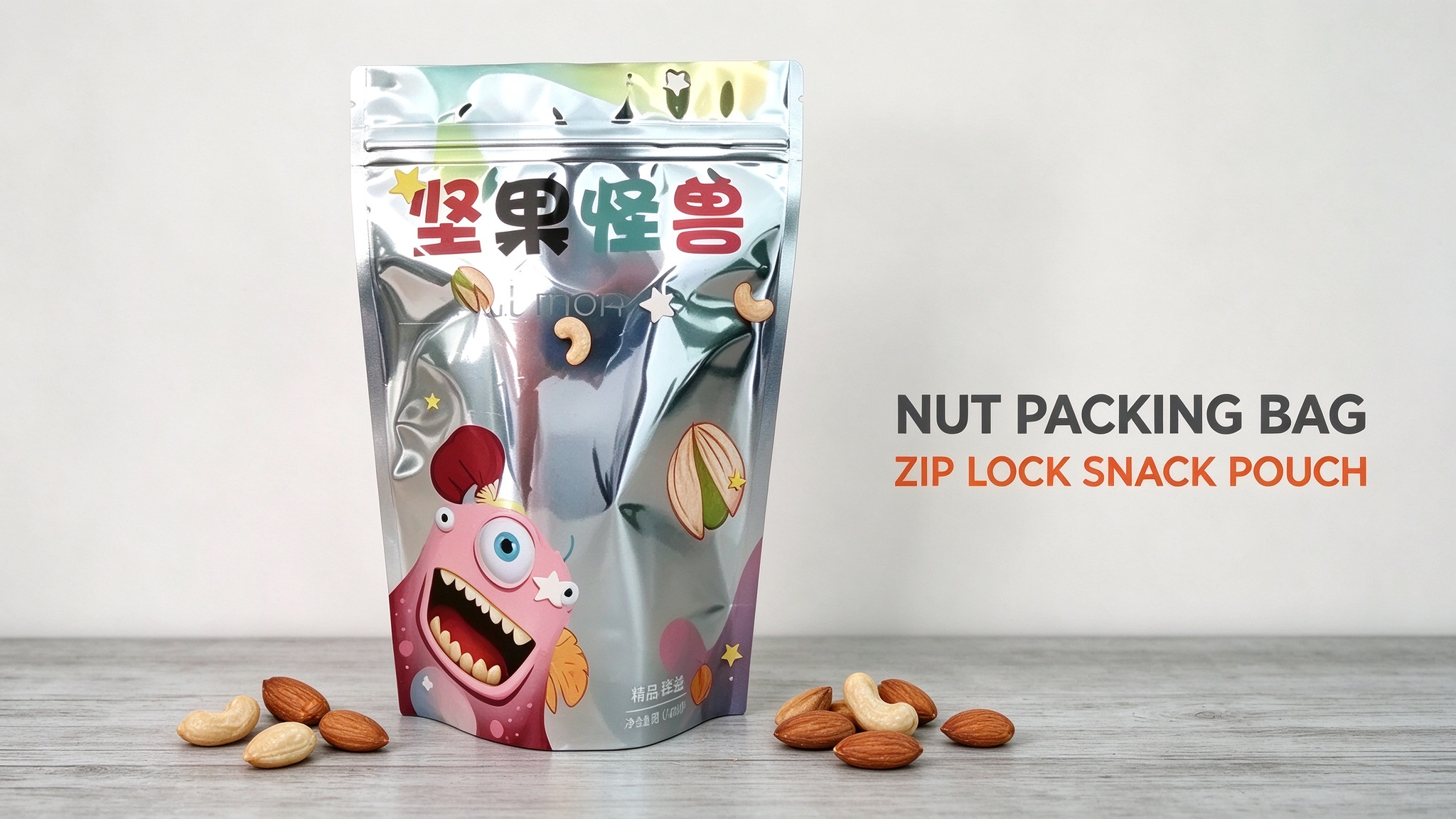
Durability matters just as much as appearance. Multi-layer laminated films, like the ones used in stand up packaging from established manufacturers, create a barrier against oxygen, moisture, and light. This barrier extends shelf life for coffee beans, nuts, tea, and other moisture-sensitive goods, which reduces returns and spoilage complaints.
Material efficiency is a third factor driving adoption. A flexible pouch typically uses 70-80% less plastic by weight than a comparable rigid container, according to the Flexible Packaging Association. Lower material usage also means lower shipping weight, which can reduce freight costs for brands shipping high volumes.
How Do Manufacturers Build Pouches to Match a Brand's Needs?
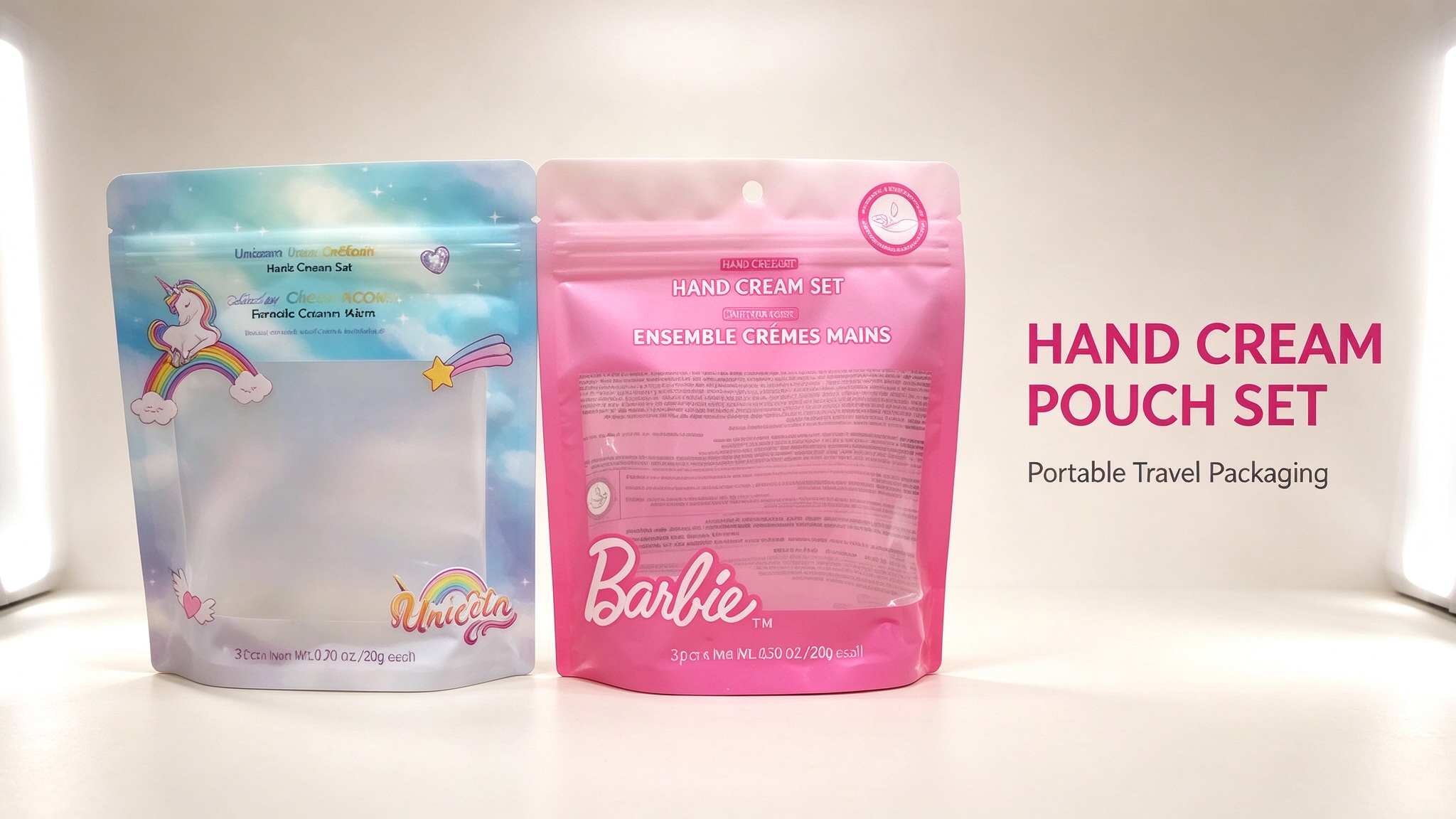
No two products pack the same way. A bag of roasted coffee beans needs a one-way degassing valve. A facial mask package needs a smooth, printable surface for cosmetic branding. A pet food bag needs reinforced seams to handle heavier, bulkier contents during shipping and shelf stocking.
This is where working directly with a manufacturer pays off. Maixin operates two manufacturing plants covering more than 15,000 square meters, equipped with film blow machines, ten-color printing machines, laminating machines, and bag-making lines. That equipment range allows a facility to produce a customized stand up pouch with features like resealable zippers, tear notches, matte or gloss finishes, and spouts, all under one roof rather than coordinating across multiple vendors.
Choose a manufacturer with in-house film production if color accuracy and barrier performance matter most for the product category. Choose a manufacturer with a wider machine inventory if the brand needs multiple SKUs with different closures, sizes, or finishes produced on a consistent timeline.
Pouch Formats Compared
Feature | Flat Pillow Bag | Stand-Up Format | Spouted Pouch |
|---|---|---|---|
Shelf visibility | Low — lies flat | High — upright display | High — upright display |
Barrier protection | Moderate | Strong (multi-layer laminate) | Strong (multi-layer laminate) |
Best for | Dry snacks, bulk goods | Coffee, tea, pet food, nuts | Liquids, sauces, baby food |
Reseal options | Limited | Zipper or heat-seal | Screw cap or valve |
Material efficiency | High | High | Moderate |
What Should a Brand Check Before Choosing a Packaging Partner?
Printing quality, lead times, and minimum order quantities vary widely between manufacturers, so brands should ask for physical samples before committing to a production run. A supplier should be able to show evidence of quality inspection processes, since food-contact packaging must meet hygiene standards consistently across every batch.
Zip-lock pouches, vacuum bags, and aluminum ton bags for chemicals all require different film compositions, so a manufacturer offering a broad product range signals deeper technical capability. Facilities with GMP-certified workshops and multiple online inspection machines are generally better positioned to maintain consistency across large orders.
Lead time is another practical factor. Brands launching seasonal products or limited runs need manufacturers who can turn around smaller customized batches without the long wait times typical of larger, less flexible factories.
Packaging That Supports Growth Without Overcomplicating Operations
Choosing the right pouch format comes down to matching material science to product needs: barrier protection for perishables, resealability for repeat-use products, and print quality for shelf standout. Brands that work with manufacturers offering full in-house production, from film blowing to printing to bag-making, typically see fewer quality inconsistencies and shorter turnaround times across multiple SKUs.
In short: flexible pouches outperform rigid alternatives on cost, shelf presence, and material efficiency for most food, pet, and cosmetic categories, and working with a manufacturer capable of in-house customization gives brands tighter control over quality, lead times, and design across every production run.
Frequently Asked Questions
What is the typical lead time for a custom pouch order?
Lead times vary by manufacturer and order complexity, but factories with in-house film production, printing, and bag-making typically complete sample approval and production faster than those outsourcing individual steps to separate vendors.
Which products benefit most from a resealable pouch format?
Coffee, tea, pet food, nuts, and snack foods benefit most, since repeat access to the contents without compromising freshness is a common use pattern for these categories.
Are flexible pouches more cost-effective than rigid containers?
Flexible pouches generally use significantly less material by weight than rigid containers of similar volume, which lowers both material and shipping costs, according to Flexible Packaging Association data.
What packaging features matter most for cosmetic products?
Smooth, highly printable surfaces and precise seal integrity matter most for cosmetic packaging, since these products rely heavily on shelf branding and need to avoid product leakage or contamination.
Can a single manufacturer produce multiple packaging formats for one brand?
Yes, manufacturers with film blowing, multi-color printing, and multiple bag-making lines can typically produce several formats, such as spouted pouches, zip-lock bags, and roll film, for the same brand under one production process.
