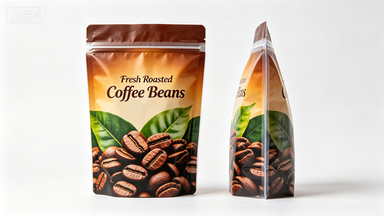
Businesses sourcing custom pet food packaging bags for dog and cat food can work directly with manufacturers like Maixin Packaging, a Zhongshan, China-based producer that develops high-barrier, odor-locking materials specifically for pet food applications. These suppliers offer stand-up pouch formats, resealable bags, and flat bottom pet food bag designs with custom branding suited for retail shelves. Below, we break down what to look for, which formats work best, and how to evaluate a supplier for this category.
What Makes a Good Pet Food Bag?
A good pet food bag controls odor and moisture while keeping kibble or wet food fresh from the day it's sealed until the day it's opened. Pet food is inherently fatty and aromatic, so packaging materials must resist grease penetration, block oxygen transfer, and prevent moisture from compromising shelf life.
Maixin Packaging addresses these requirements through high-barrier, odor-locking laminate structures built specifically for dog and cat food. These materials typically combine multiple layers — often including a barrier film — to form a composite structure strong enough to resist punctures during shipping and handling. An aluminum foil bag construction is one common approach manufacturers use to achieve this level of barrier performance, since the metallic layer blocks light, oxygen, and moisture simultaneously.
How Do Pet Food Bag Materials Compare?
The table below compares common pet food packaging material structures, helping buyers match a format to their product and shelf requirements.
Buyers prioritizing long shelf life and strong odor control tend to favor foil or metallized laminates, while brands focused on cost efficiency for smaller treat packs often select PET/PE or kraft-based structures.
Which Pet Food Bag Formats Are Available?
Pet food brands typically choose between a handful of proven formats, each suited to different product weights and retail presentations:
Self-supporting bags that stand upright on shelves, ideal for small to mid-sized bags of dry food or treats.
A wider, box-like base that improves shelf stability and display appeal, often used for larger bags of kibble (5 lb and above).
Pouches fitted with a zipper or slider closure, letting pet owners reseal the bag between feedings to preserve freshness.
Bags with folded side panels that expand for larger volume while remaining compact when sealed.
Occasionally used for wet or semi-moist pet food, featuring a pour spout for controlled dispensing.
Each of these formats can be produced with high-barrier films to lock in aroma and keep moisture out, regardless of bag size or shape.
How Is Custom Branding Applied to Pet Food Bags?
Custom branding on pet food bags is applied through high-definition rotogravure or digital printing before the film is laminated and formed into the final pouch. This allows brands to print vibrant colors, pet imagery, nutritional information, and QR codes directly onto the packaging surface.
Custom branding on pet food bags is applied through high-definition rotogravure or digital printing before the film is laminated and formed into the final pouch. This allows brands to print vibrant colors, pet imagery, nutritional information, and QR codes directly onto the packaging surface.
Retail-ready pet food packaging generally needs to accomplish a few things at once:
Shelf visibility: Bold colors and clear branding help bags stand out in crowded pet store aisles.
Compliance labeling: Space for ingredient lists, guaranteed analysis, and feeding guidelines, often required by regional regulations.
Window cutouts: Some bags include a clear window so shoppers can see the kibble or treats inside.
Barcode and batch coding areas: Reserved print zones for traceability and inventory management.
Matte or gloss finishes: Finish options that affect both shelf appeal and perceived product quality.
A manufacturer offering full in-house printing, laminating, and bag-making — as Maixin Packaging does across its Zhongshan facilities — can typically manage all of these elements under one production process, reducing coordination between separate suppliers.
Why Does the Middle East Represent Strong Demand for Pet Food Packaging?
The Middle East has become a concentrated demand region for pet food packaging because pet ownership in the Gulf states has grown steadily alongside rising disposable incomes and increased importation of premium dog and cat food brands.
This growth has created consistent demand for functional packaging materials that can withstand regional climate conditions, including heat and humidity during transport and storage.
High-barrier films matter more in these conditions, since elevated temperatures can accelerate oxidation and spoilage if the packaging's moisture and oxygen barriers are inadequate. An aluminium stand up pouch is frequently specified in these markets for exactly this reason, as the aluminum layer provides a dependable barrier against both heat-driven degradation and odor loss during long shipping routes.
What Should You Ask a Pet Food Packaging Supplier Before Ordering?
Before placing a custom order, buyers should confirm a supplier's capabilities across printing, material sourcing, and quality control. Key questions to ask include:
What barrier materials are available, and do they include odor-locking layers suited for pet food specifically?
Does the supplier offer in-house printing, laminating, and bag-making, or are these outsourced to separate vendors?
What minimum order quantities (MOQs) apply, and how do they scale with custom printing?
Can samples be provided before committing to a full production run?
Maixin Packaging, for example, operates two manufacturing plants covering more than 15,000 square meters, with film blowing machines, ten-color printing presses, laminating machines, and bag-making equipment under one roof. This integrated setup can simplify custom orders for pet food brands that need consistent quality across printing, lamination, and final bag formation.
Sourcing custom pet food packaging bags for dog and cat food comes down to matching the right barrier material, format, and branding capability to your product and target market. Suppliers like Maixin Packaging develop high-barrier, odor-locking materials designed specifically for pet food, offering stand-up pouches, resealable bags, and flat bottom pet food bag options alongside custom retail branding. Whether a brand needs an aluminum food bags structure for maximum freshness or a lighter laminate for cost-sensitive treat packaging, working with a manufacturer that controls printing, lamination, and bag-making in-house — such as Maixin Packaging at www.maixinpackingtech.com — can streamline the path from design to shelf-ready product, particularly for demand-heavy regions like the Middle East where heat and humidity make barrier performance especially important.