




Coffee beans packages bags are the most ubiquitous and versatile choice for storing and distributing roasted coffee beans, bridging practicality, accessibility, and brand expression. Unlike rigid containers like cans or jars, bags offer flexibility in size, cost-effectiveness, and ease of transportation—making them the preferred option for both small-batch roasters and large-scale coffee brands. However, not all coffee bean bags are created equal: their ability to preserve flavor, protect against external threats, and align with consumer values depends on material selection, structural design, and innovative features. In a market where freshness is non-negotiable and sustainability is increasingly central, understanding the intricacies of coffee beans packages bags is key for anyone seeking to enjoy or market high-quality coffee. This article explores the core functions, common types, design trends, and order tips for these essential coffee accessories.
Core Functionalities of High-Quality Coffee Beans Packages Bags
A superior coffee bean bag must fulfill four non-negotiable functions to maintain bean quality, all tailored to the flexible nature of bagged packaging:
Oxygen Resistance: Since bags are prone to air penetration if not properly constructed, they rely on multi-layer barrier materials (e.g., aluminized film, EVOH) to block oxygen— the primary cause of staleness. Many bags also incorporate vacuum sealing or nitrogen flushing to remove residual air before sealing.
CO2 Ventilation: Roasted beans release carbon dioxide post-roasting, and sealed bags risk bulging or tearing without proper ventilation. One-way exhaust valves are a standard feature in quality bags, allowing CO2 to escape while preventing oxygen from entering.
Moisture and Light Shielding: Humidity absorption leads to mold growth and flavor degradation, so bags use moisture-proof liners or coatings. Opaque or matte finishes (instead of transparent materials) block UV rays that break down coffee’s aromatic compounds.
User-Friendly Convenience: Resealable zippers, tear notches, and portioned designs ensure that after opening, beans remain fresh for multiple brews. Some bags also include gussets (expandable sides) for easy storage on shelves or countertops.
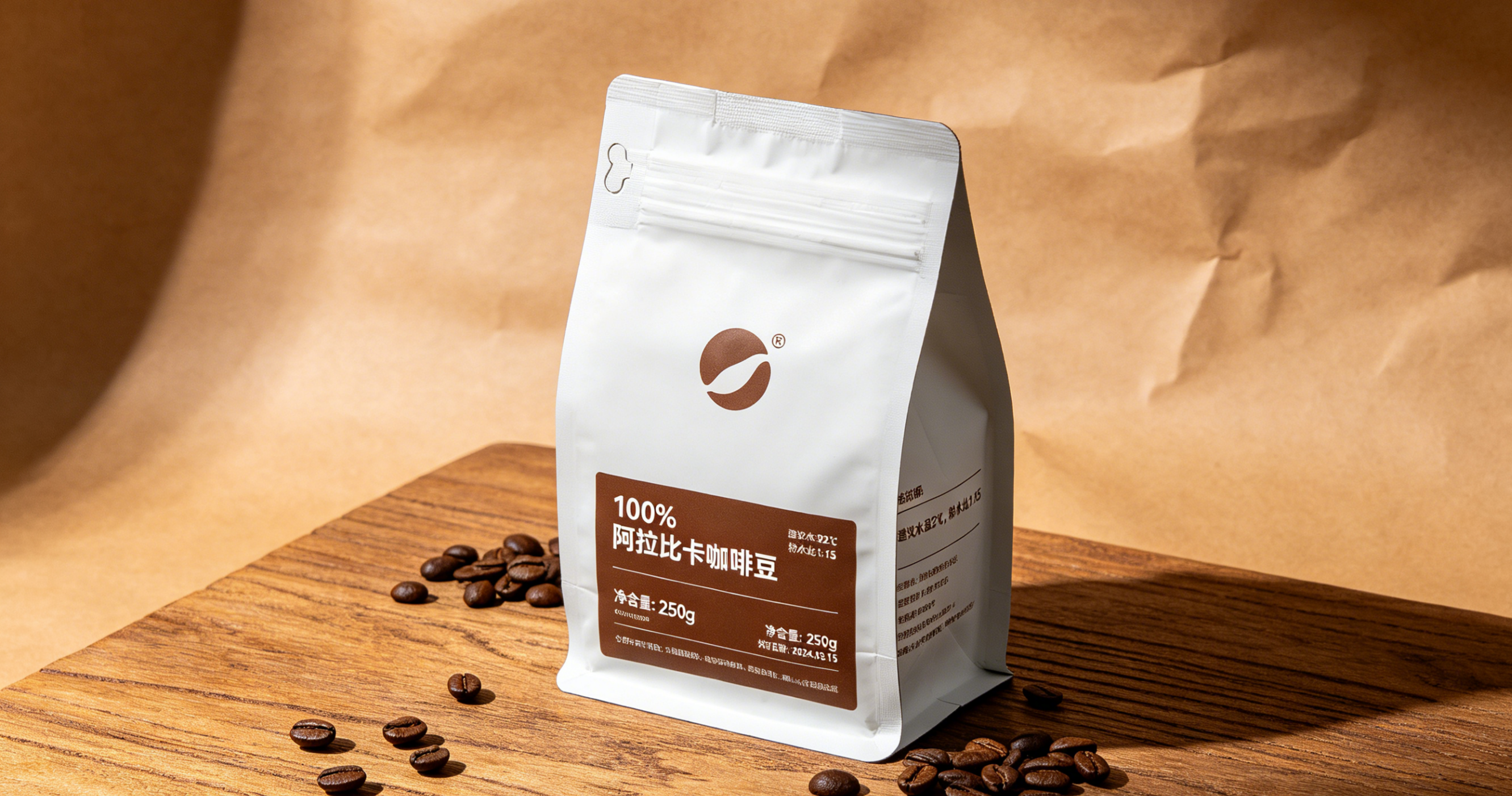
Common Types of Coffee Beans Packages Bags
Coffee bean bags come in various configurations, each optimized for specific needs—from specialty roasts to budget-friendly options. The table below details their key attributes:
Bag Type | Material Composition | Key Features | Shelf Life (Unopened) | Ideal Use Case | Advantages | Disadvantages |
One-Way Valve Foil Bags | Outer paper/cardboard + inner aluminum foil + exhaust valve | 3–6 months | Retail whole-bean coffee, specialty roasts | Excellent barrier, preserves aroma, resealable | Not compostable, higher cost than basic bags | |
Mono-Material Recyclable Bags | Single-layer plastic (e.g., PP, PE) or paper with water-based coating | 2–4 months | Eco-conscious brands, medium-roast beans | Fully recyclable, lightweight, cost-effective | Lower oxygen resistance than foil bags | |
Compostable Plant-Based Bags | Bagasse, hemp, or eucalyptus pulp + PLA (cornstarch) lining | 1–3 months | Small-batch roasters, short-shelf-life beans | Home/industrial compostable, plastic-free | Fragile when wet, limited moisture protection | |
Vacuum-Sealed Foil Bags | Thick aluminum foil + vacuum sealing + one-way valve (optional) | 6–9 months | Long-term storage, dark-roast or flavored beans | Maximizes freshness, blocks all external threats | Rigid when sealed, harder to store in small spaces | |
Windowed Barrier Bags | Outer paper + inner barrier film + transparent PET window + exhaust valve | 2–5 months | Premium beans, display-focused brands | Shows product quality, balances visibility and protection | Window allows light exposure (may degrade beans) | |
Stand-Up Pouch Bags | Multi-layer film (PET + PE + aluminum) + gusseted base + zipper | 3–6 months | Bulk coffee, home brewers | Stands upright for easy storage, large capacity | Heavier than flat bags, higher shipping costs |
Design Trends for Coffee Beans Packages Bags
Modern coffee bean bags are as much about brand storytelling as functionality, with three trends leading the way:
Sustainable Aesthetics: Brands are ditching excess packaging and using natural tones (beige, brown, green) to highlight eco-friendly materials. Minimalist logos, hand-drawn illustrations of coffee farms, and labels indicating “compostable” or “recyclable” resonate with conscious consumers.
Interactive Features: QR codes printed on bags link to brewing tutorials, farmer stories, or subscription sign-ups—creating an engaging experience beyond the product itself. Some bags also include tear-off recipe cards or flavor profile guides.
Customization for Small Batches: Small roasters are leveraging digital printing to create unique, low-minimum-order bags. This allows them to showcase limited-edition blends with custom designs, batch numbers, and roast dates—appealing to niche coffee enthusiasts.
How to Choose the Right Coffee Beans Packages Bags
Selecting the ideal bag depends on your priorities, whether you’re a roaster or a consumer. Consider these key factors:
Bean Type and Shelf Life: Whole-bean coffee requires a bag with an exhaust valve and strong oxygen barrier (e.g., foil or vacuum-sealed bags). Ground coffee, which oxidizes faster, may benefit from smaller portioned bags or nitrogen-flushed options.
Sustainability Goals: If reducing environmental impact is key, opt for compostable or mono-material recyclable bags. Avoid bags with mixed materials (e.g., paper + plastic + foil) that are hard to recycle.
Storage and Usage: For home brewers, stand-up pouches or resealable zippers offer convenience. For retail display, windowed bags or eye-catching designs help products stand out on shelves.
Cost vs. Quality: Foil bags provide the best protection but come at a higher cost. Compostable bags are eco-friendly but have shorter shelf lives—balance your budget with the beans’ intended lifespan.
Conclusion
Coffee beans packages bags are the unsung heroes of fresh coffee, combining functionality, design, and sustainability to deliver a premium experience. From one-way valve foil bags preserving specialty roasts to compostable plant-based options supporting eco-friendly practices, the right bag ensures that every cup retains the beans’ original aroma and flavor. As consumer demands for freshness and sustainability grow, the coffee industry will continue to innovate—with bags evolving to be more protective, recyclable, and engaging. Whether you’re a roaster crafting your brand’s identity or a consumer seeking the perfect brew, understanding the types, functions, and trends of coffee beans packages bags is essential to making informed choices. In the end, a well-designed bag isn’t just a container—it’s a promise of quality, from roast to cup.
