




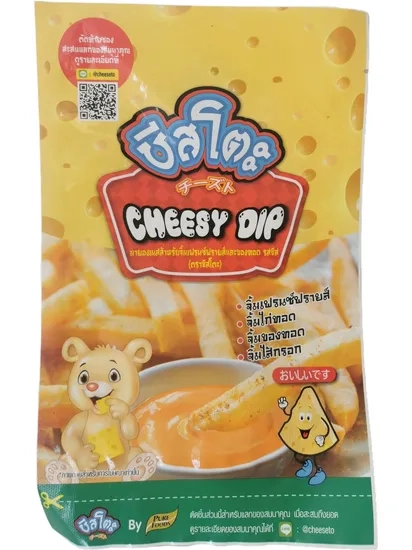
 In the vast landscape of packaging materials, multi - layer composite structures have become the backbone of modern packaging solutions, as they integrate the advantages of different single - layer materials to meet complex packaging needs. Among these, the PET/PE (Polyethylene Terephthalate/Polyethylene) composite structure stands out as one of the most widely used combinations in daily life and industrial packaging. This article will delve into the composition of each layer, the unique advantages of the combination, and its typical application scenarios.
1.Layer - by - Layer Breakdown of PET/PE Composite Structure
The PET/PE composite packaging is a two - layer (or multi - layer with additional functional layers in some cases) structure, where each layer plays a distinct and irreplaceable role. The combination follows a "functional division" principle, ensuring that the packaging achieves a balance between protection, usability, and cost - effectiveness.
Surface Layer: PET (Polyethylene Terephthalate)
As the outer layer of the composite structure, PET undertakes the core functions of protection, shaping, and information display. Made from the polymerization of terephthalic acid and ethylene glycol, PET in this layer is usually processed into a thin film (with a thickness ranging from 12μm to 25μm). It has excellent mechanical properties - high tensile strength and impact resistance, which can effectively prevent the packaging from being torn or damaged during transportation and handling. Moreover, PET film has outstanding transparency and gloss, allowing consumers to clearly see the contents inside the package. It also has good resistance to high temperatures (can withstand short - term heating up to 60 - 80°C) and chemical stability, which prevents it from reacting with external substances such as oils and solvents.
Inner Layer: PE (Polyethylene)
The inner layer, made of PE, is in direct contact with the packaged goods and focuses on sealability, safety, and compatibility. PE used here is mainly Low - Density Polyethylene (LDPE) or Linear Low - Density Polyethylene (LLDPE) (with a thickness usually between 30μm and 80μm), depending on the required flexibility and seal strength. LDPE/LLDPE has excellent flexibility and ductility, which enables the packaging to fit closely with the contents. More importantly, it has excellent heat - sealability - when heated, the PE layer melts and forms a tight seal, effectively preventing the entry of air, moisture, and contaminants. Additionally, PE is non - toxic and inert, which means it will not release harmful substances when in contact with food, pharmaceuticals, or other sensitive products, meeting the global safety standards for food - contact materials.

2. Key Advantages of the PET/PE Composite Structure
Excellent Protection Performance: The PET outer layer acts as a "shield", resisting external impacts, scratches, and mechanical damage. The PE inner layer, with its excellent sealability, forms a "barrier" against moisture, air, and dust. Together, they effectively extend the shelf life of the packaged goods. For example, in the food packaging, the combination can prevent the snacks from becoming soft due to moisture absorption and keep them crisp for a longer time.
Versatile Compatibility with Contents: PET/PE is compatible with a wide range of products. The non - toxic and inert PE inner layer ensures safety when in contact with food (such as candies, dried fruits, and cooked food), pharmaceuticals (like pills and capsules), and daily chemicals (such as small - package detergents and cosmetics). Meanwhile, the chemical stability of PET prevents the packaging from being corroded by acidic or oily contents.
Good Processability and Usability: PET/PE composite films are easy to process through various methods such as blow molding, heat sealing, and die - cutting, which allows for the production of packaging bags of different shapes and sizes (e.g., stand - up pouches, flat pouches, and zipper bags). The flexibility of PE makes the packaging easy to open and close, while the rigidity of PET helps maintain the shape of the packaging, especially for stand - up pouches that need to stay upright on store shelves.
Cost - Effectiveness: Both PET and PE are widely produced and low - cost raw materials. The two - layer composite structure avoids the use of expensive materials (such as aluminum foil or nylon) while still meeting most basic packaging requirements. This makes PET/PE an economical choice for large - scale packaging applications, such as food and daily necessities packaging.
3. Typical Application Scenarios of PET/PE Packaging
 Food Industry: This is the largest application field of PET/PE packaging. It is used for packaging snacks (potato chips, cookies, and nuts), dried foods (dried fruits, dried vegetables, and instant noodles), cooked foods (roast chicken, sausages, and braised pork), and condiments (small - package soy sauce, vinegar, and cooking oil). The excellent sealability and moisture resistance of PET/PE can keep the food fresh, prevent spoilage, and extend the shelf life.
Pharmaceutical and Healthcare Industry: Used for packaging over - the - counter drugs (such as cold medicine tablets and capsules), health supplements (vitamin pills, protein powder, and herbal extracts), and medical supplies (disposable gloves, cotton swabs, and bandages). The non - toxic and inert properties of PE ensure the safety of the products, while the barrier properties of PET prevent the drugs from being affected by external moisture and light, maintaining their efficacy.
Daily Chemical and Cosmetics Industry: It is suitable for packaging small - package daily chemicals (shampoo sachets, shower gel sachets, and laundry detergent pods) and cosmetics (face masks, cream jars, and lipstick tubes). The transparency of PET allows consumers to see the color and texture of the products, while the sealability of PE prevents the products from drying out or being contaminated.
Electronic and Hardware Industry: Used for packaging small electronic components (resistors, capacitors, and chips) and hardware parts (screws, nuts, and washers). The mechanical strength of PET can protect the fragile electronic components and hardware parts from damage during transportation, and the moisture resistance of PE prevents them from rusting or being corroded.
In conclusion, the PET/PE composite packaging material has become a staple in the packaging industry due to its well - balanced performance, wide application range, excellent printing adaptability, and cost - effectiveness. It perfectly combines the protective and display functions of PET with the sealing and safety properties of PE, meeting the diverse needs of different industries from food and pharmaceuticals to daily chemicals and electronics. As the demand for environmentally friendly packaging grows, recycled PET (rPET) is increasingly being used in the PET layer of PET/PE composites, making this classic material combination more sustainable and in line with the trends of the times.
