




In an era marked by growing environmental consciousness and global efforts to reduce plastic pollution, eco-friendly kraft bags have emerged as a popular and responsible packaging choice. Made from natural wood pulp through sustainable processes, these bags combine functionality with environmental benefits, making them a preferred option for businesses and consumers alike. This article explores the key features, environmental advantages, applications, and practical considerations of eco-friendly kraft bags.
1. What Are Eco-Friendly Kraft Bags?
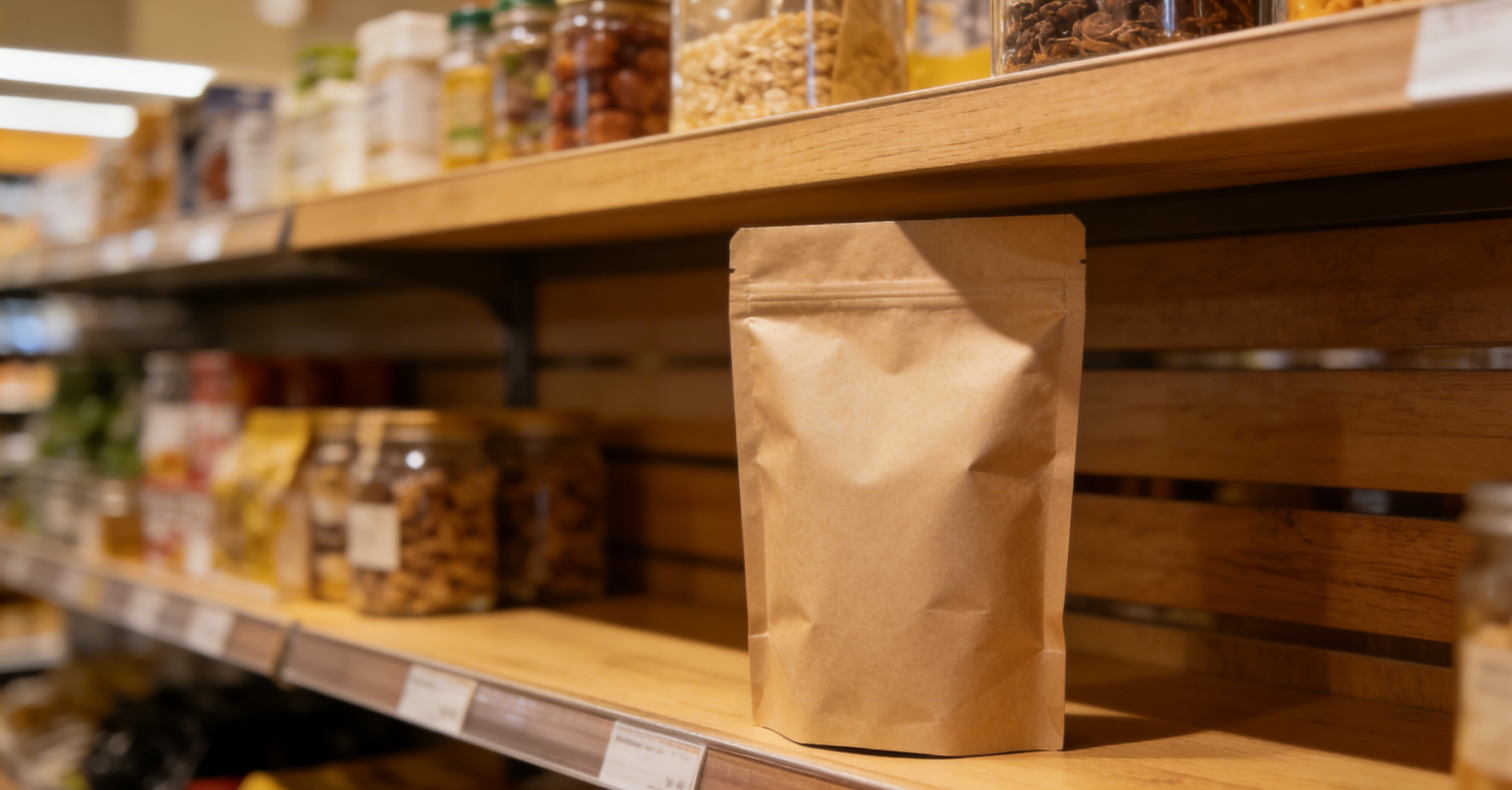
Eco-friendly kraft bags are packaging products crafted from kraft paper, which is produced using the kraft pulping process that preserves the strength of wood fibers. Unlike conventional paper bags, they prioritize sustainability throughout their lifecycle:
Raw Material: Primarily made from virgin wood pulp from sustainably managed forests (FSC-certified) or recycled pulp .
Production Process: Utilizes clean manufacturing techniques with minimal harmful chemicals, reducing environmental impact compared to plastic production .
Design Philosophy: Embraces natural aesthetics with unbleached, light brown tones and retains the paper’s inherent texture, often avoiding unnecessary coatings .
2. Environmental Advantages of Kraft Bags
Kraft bags stand out for their strong eco-credentials, supported by scientific research and lifecycle assessments:
Biodegradability: Breaks down naturally in 2–6 months in suitable environments, leaving no microplastic residues—far outperforming plastics that take centuries to decompose .
Recyclability: Can be recycled up to seven times, with 80% of European kraft bag variants suitable for standard recycling mills. Recycled fibers enhance pulp quality, increasing tear and tensile strength .
Low Carbon Footprint: Their cradle-to-gate fossil carbon emissions are significantly lower than plastic alternatives, with European studies showing a 30% reduction in carbon impact .
Renewable Resource: Sourced from renewable forests, ensuring a continuous supply when managed sustainably .
3. Comparison with Other Packaging Materials
The table below highlights how kraft bags compare to common alternatives in key sustainability and performance metrics:
Metric | Kraft Bags | Plastic Bags | Glass/Metal | Canvas Bags |
Biodegradability | High (2–6 months) | Extremely low (centuries) | Non-biodegradable | Low (years) |
Recyclability | High (up to 7 cycles) | Low (14% global recycling rate) | High but energy-intensive | High (reusable) |
Carbon Footprint | Low | High | Very high (production/transport) | Moderate (initial production) |
Cost-Effectiveness | Moderate | Low (but high environmental cost) | High | High (long-term value) |
Practicality | Good (versatile sizes/styles) | Good (waterproof but fragile) | Heavy/fragile | Durable but bulky |
4. Applications of Eco-Friendly Kraft Bags
Their versatility and sustainability make kraft bags suitable for diverse sectors:
Retail: Apparel, gifts, and cosmetics packaging, with customizable printing for branding .
Food Service: Oil-resistant variants for takeaways, bread, and snacks, complying with food safety standards .
Industrial Use: Heavy-duty bags (up to 25kg load capacity) for electronics, chemicals, and construction materials .
Agriculture: Seed and fertilizer bags that biodegrade in fields without soil contamination .
5. Tips for Maximizing Sustainability
To fully leverage the eco-friendly potential of kraft bags:
Proper Disposal: Clean bags (free of food residue) can be recycled; soiled ones are suitable for composting .
Remove Non-Paper Parts: Detach plastic handles or metal fasteners before recycling .
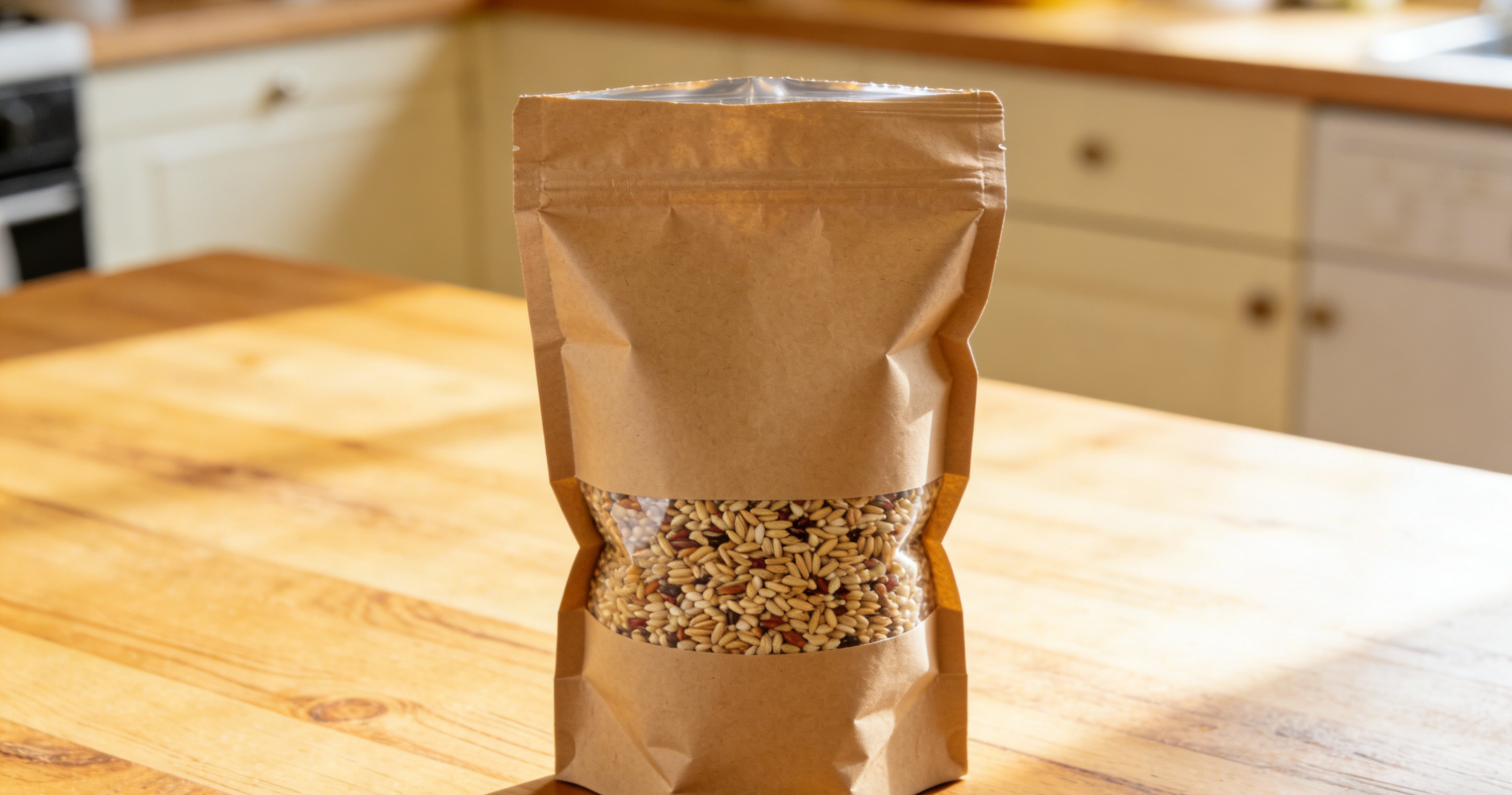
Reuse: Repurpose for storage, gift wrapping, or secondary shopping trips .
Choose Certified Products: Opt for FSC-certified bags to ensure responsible forestry .
Conclusion
Eco-friendly kraft bags offer a balanced solution to the packaging crisis, combining environmental responsibility with practical functionality. Their biodegradability, recyclability, and low carbon footprint make them a key player in the global shift toward sustainable consumption. As businesses and consumers increasingly prioritize ESG goals, kraft bags are not just a trend but a long-term investment in a healthier planet. By choosing and using them wisely, we can reduce plastic waste and move closer to a circular economy.
