




In recent years, biodegradable bags have emerged as a global phenomenon, replacing traditional plastic bags in supermarkets, restaurants, and households worldwide. This surge in popularity is not accidental but stems from the urgent need to address environmental crises, technological advancements in materials science, and shifting consumer preferences. To fully understand this trend, it is essential to examine three critical dimensions: the main types of biodegradable materials, their inherent advantages, and the wide range of items they can package.
Main Types of Biodegradable Materials
Biodegradable bags are primarily made from four categories of materials, each with unique sources and properties.
The first and most common type is polylactic acid (PLA), derived from renewable resources such as corn starch, sugarcane, or cassava. PLA is produced through the fermentation of starch into lactic acid, followed by polymerization, making it a sustainable alternative to petroleum-based plastics.
Second, polyhydroxyalkanoates (PHA) are microbial polyesters synthesized by bacteria like Ralstonia eutropha through the fermentation of organic matter such as vegetable oils or agricultural waste. Unlike PLA, PHA can degrade naturally in various environments, including marine ecosystems and soil, without leaving harmful residues.
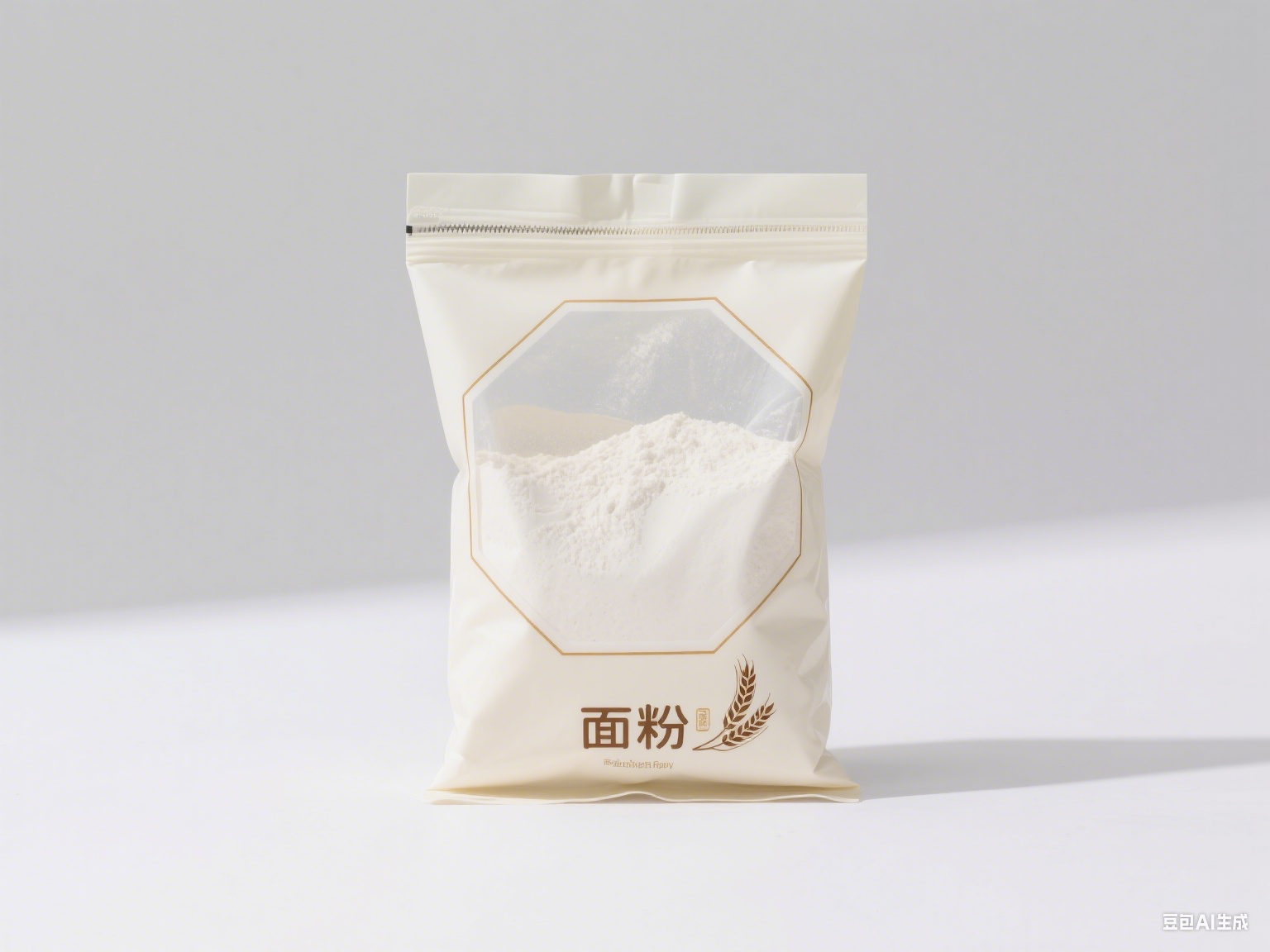
Third, starch-based materials, composed of natural starches from potatoes, tapioca, or wheat, are cost-effective and highly biodegradable. However, their poor mechanical strength often requires blending with other polymers like PHA or cellulose to enhance durability. Fourth, cellulose-based materials, extracted from plant cell walls (e.g., wood pulp, cotton waste, or agricultural by-products like rice husks), are abundant, renewable, and fully biodegradable. These materials leverage the structural integrity of cellulose to create bags with good tensile strength and moisture resistance.
Key Advantages of Biodegradable Materials
The global appeal of biodegradable bags lies in their multiple advantages over traditional plastics, addressing both environmental and practical concerns.
Firstly, they offer a solution to the plastic pollution crisis. Traditional plastics can persist in the environment for hundreds of years, contaminating oceans, soil, and wildlife habitats. In contrast, biodegradable materials break down into harmless substances like water, carbon dioxide, and organic matter within months to a few years, depending on the material and environment. For example, PHA bags can decompose completely in marine environments within 6–12 months, while PLA bags degrade under industrial composting conditions in 3–6 months.
Secondly, biodegradable materials reduce carbon emissions. The production of petroleum-based plastics relies on fossil fuels, a major source of greenhouse gas emissions. In contrast, PLA and starch-based materials sequester carbon during the growth of their plant sources, resulting in a significantly lower carbon footprint. Studies show that PLA production emits 68% less carbon dioxide than polyethylene (PE) plastic production.
Thirdly, they promote resource sustainability. By utilizing renewable resources like corn, sugarcane, and agricultural waste, biodegradable materials reduce reliance on finite fossil fuels, aligning with the global transition to a circular economy.
Lastly, they comply with increasingly strict environmental regulations. Many countries and regions, such as the European Union, Canada, and several Chinese cities, have implemented bans or restrictions on single-use plastics, creating a regulatory-driven demand for biodegradable alternatives.

Applicable Items for Biodegradable Packaging
Biodegradable bags are versatile and suitable for packaging a wide range of items, further driving their global adoption.
In the food industry, they are ideal for packaging fresh produce (fruits, vegetables, and herbs), baked goods (bread, pastries, and cakes), fast food (sandwiches, fries, and takeout meals), and snacks (chips, nuts, and candies). Their non-toxic nature and ability to resist oil and moisture make them safe for direct contact with food, meeting food safety standards worldwide.
In the retail sector, biodegradable shopping bags are used for clothing, cosmetics, toiletries, and small household items. They come in various sizes and thicknesses, offering the same convenience as traditional plastic bags while being environmentally friendly.

In the agricultural sector, biodegradable bags and films are used for packaging seeds, fertilizers, and nursery plants, as well as for manufacturing biodegradable mulch films that reduce soil pollution.
In the medical field, biodegradable bags are employed for packaging disposable medical supplies such as gloves, masks, and bandages, as they can be safely composted after use, minimizing medical waste. Additionally, they are suitable for packaging organic waste, as they break down along with the waste, facilitating composting and reducing landfill pressure.
Conclusion
The global boom of biodegradable bags is a response to the pressing environmental challenges of our time, supported by the versatility of biodegradable materials, their environmental and practical advantages, and their wide applicability across industries. As materials science continues to advance, biodegradable materials will become more cost-effective, durable, and accessible, further accelerating their adoption worldwide. By replacing traditional plastics with biodegradable alternatives, we can take a significant step toward mitigating plastic pollution, reducing carbon emissions, and building a more sustainable future for our planet.
