




In the dynamic landscape of packaging design, flat bottom packages—also known as box pouches or block bottom bags—have emerged as a game-changing solution that bridges the gap between flexibility and structural integrity. Combining the lightweight convenience of flexible packaging with the stability of rigid containers, these packages have revolutionized how brands present products ranging from specialty coffee to premium snacks and pet food . Their unique construction allows them to stand upright independently, maximize shelf visibility, and preserve product freshness, making them a preferred choice for both retailers and consumers worldwide. This article delves into the core characteristics, advantages, applications, and comparative strengths of flat bottom packages, highlighting why they have become indispensable in modern packaging strategies.
1. What Are Flat Bottom Packages?
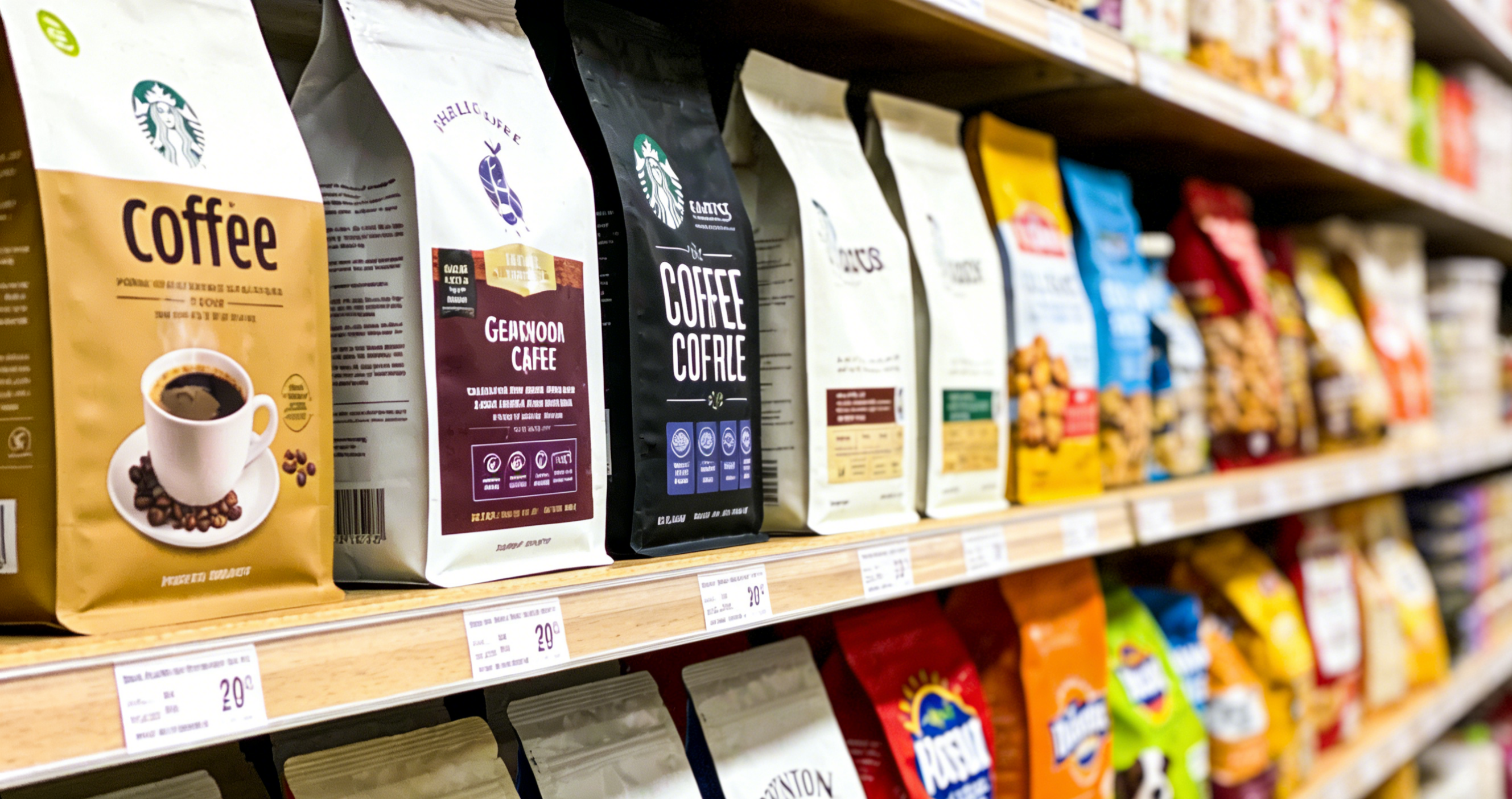
Flat bottom packages are a type of flexible packaging defined by their box-like structure, featuring a fully flat base and expandable side panels that form a rectangular or square shape when filled . Unlike traditional stand-up pouches that rely on gusseted bottoms for limited stability, flat bottom designs use a multi-panel construction—typically consisting of front/back/bottom panels and separate left/right side panels—to create a robust, self-supporting structure . This engineering not only ensures superior upright stability but also unlocks five printable surfaces (front, back, two sides, and bottom), providing ample space for branding and product information .
At their core, flat bottom packages are crafted from multi-layered composite materials, each serving a specific functional purpose :
Outer Print Layer: Made from PET or BOPP, this layer offers high gloss, scratch resistance, and optimal printability for eye-catching branding.
Mechanical Layer: Constructed with PET or nylon (PA), it enhances puncture resistance and structural strength for durable handling.
Barrier Layer (Optional): Metallized PET, aluminum foil, or EVOH provides protection against light, oxygen, and moisture, extending product shelf life.
Inner Sealant Layer: PE or CPP ensures safe food contact and reliable heat sealing to maintain freshness.
2. Key Advantages of Flat Bottom Packages
The rising popularity of flat bottom packages stems from their multifaceted benefits that address both brand and consumer needs:
2.1 Superior Stability and Shelf Presence
The flat base design eliminates tipping and ensures consistent upright positioning on retail shelves, enhancing product visibility and creating a premium, organized display . This stability also simplifies storage for consumers, as packages can be neatly stacked or placed in cabinets without collapsing.
2.2 Enhanced Branding and Customization
With five printable panels, brands gain extensive space to showcase logos, product details, and marketing messages—far more than traditional pouches or cartons . Additionally, these packages can be customized with functional add-ons such as resealable zippers, degassing valves (for coffee), spouts, tear notches, or handles, improving user convenience without compromising aesthetics .
2.3 Efficiency in Storage and Logistics
The rectangular shape of flat bottom packages minimizes empty space during transportation and warehousing, optimizing pallet utilization and reducing shipping costs . When empty, they can be flattened for compact storage, further enhancing logistical efficiency compared to rigid containers.
2.4 Product Protection and Freshness
The multi-layered material structure provides exceptional barrier properties, shielding contents from external factors like moisture, oxygen, and light that degrade quality . For sensitive products such as coffee beans or powdered supplements, this protection is critical for preserving aroma, flavor, and potency .
3. Comparative Analysis: Flat Bottom Packages vs. Other Packaging Types
To highlight their unique value, below is a detailed comparison of flat bottom packages with three common alternatives:
Feature | Flat Bottom Packages | Stand-Up Pouches | Cartons/Boxes | Pillow Bags |
Stability | Excellent (flat base, self-supporting) | Moderate (relies on gussets, may tip when partially filled) | Good (rigid but bulky) | Poor (cannot stand upright) |
Printable Surfaces | 5 panels (front, back, 2 sides, bottom) | 3 panels (front, back, gussets) | 6 panels (limited by rigidity) | 2 panels (front, back) |
Material Efficiency | High (flexible yet durable, minimal waste) | Moderate (less material than flat bottom) | Low (bulky, higher material consumption) | High (simple structure, low material use) |
Storage/Logistics | Efficient (stackable, collapsible when empty) | Moderate (bulky when empty, limited stacking) | Inefficient (fixed shape, high storage space) | Efficient (flat, compact) |
Premium Appeal | High (box-like silhouette, sleek design) | Moderate (functional but less sophisticated) | High (rigid but costly) | Low (basic, generic appearance) |
Cost | Mid-range (premium but cost-effective for volume) | Low to mid-range (economical for small sizes) | High (material + manufacturing costs) | Low (lowest cost, mass-produced) |
Best For | Premium products, retail display, long shelf life | Everyday items, small quantities, cost-sensitive brands | Fragile products, luxury goods, gift packaging | Single-serve snacks, non-display items |
4. Common Applications Across Industries
Flat bottom packages’ versatility makes them suitable for a wide range of products and sectors:
4.1 Food and Beverage
Coffee and tea (degassing valves preserve freshness)
Pet food (durable, stackable, and resealable)
Gourmet snacks (nuts, granola, chocolate)
Rice, pasta, and dry grains (moisture resistance)
Powdered supplements and protein powders (barrier protection)
4.2 Non-Food Products
Cosmetics (bath salts, powdered skincare)
Pharmaceuticals (medications, vitamins with child-resistant closures)
Household items (detergents, cleaning powders)
Industrial chemicals (fertilizers, pesticides with safety features)

Conclusion: The Future of Packaging Is Flat (and Flexible)
Flat bottom packages have solidified their position as a leading packaging solution by merging the best of flexibility and structure. Their superior stability, branding potential, logistical efficiency, and product protection make them a smart investment for brands aiming to stand out on shelves while meeting consumer demands for convenience and sustainability. As the packaging industry continues to prioritize innovation and eco-friendly practices, flat bottom packages are evolving—with advancements in biodegradable materials and recyclable designs—to remain at the forefront of modern packaging trends. Whether for premium coffee, pet food, or cosmetics, these packages prove that functionality and aesthetics can coexist, driving value for brands and satisfaction for consumers alike.
