Liquid food products—ranging from dairy milk and fruit juices to edible oils, sauces, and ready-to-drink beverages—constitute a significant segment of the global food market. Valued at $2.1 trillion in 2023 (Statista), this sector is projected to grow at a CAGR of 4.8% through 2030, driven by increasing consumer demand for convenience, longer shelf life, and product safety. At the heart of this growth lies the unsung hero of liquid food distribution: packaging. Food liquid packages are far more than mere containers; they serve as the first line of defense against contamination, preserve nutritional value, prevent leakage, and enhance brand visibility.
For businesses visiting your food plastic bag independent station, selecting the right
food liquid packaging solutions is a strategic decision that directly impacts product integrity, consumer trust, and operational profitability. Unlike solid food packaging, liquid food containers face unique challenges—they must accommodate fluid dynamics, resist chemical interactions with acidic or oily liquids, maintain structural integrity during transportation, and comply with stringent global food safety regulations. Plastic-based packaging materials, such as polyethylene (PE), polypropylene (PP), polyethylene terephthalate (PET), and laminated structures, have emerged as the preferred choice for liquid foods due to their lightweight properties, customizable barrier performance, cost-effectiveness, and printability.
This article delves into three core pillars that define effective food liquid packaging: robust performance attributes tailored to liquid product needs, application-specific customization solutions, and strategic procurement practices paired with sustainable innovation. By exploring these critical areas, we aim to position your independent station as a trusted resource for businesses seeking to navigate the complexities of food liquid packaging, ensuring they select solutions that balance quality, functionality, and market competitiveness.
The success of any liquid food product hinges on its packaging. A subpar package can lead to leakage, spoilage, regulatory non-compliance, and irreversible brand damage. Conversely, a well-engineered package preserves product quality, extends shelf life, and creates a positive consumer experience. For instance, a poorly sealed edible oil pouch can result in oxidation and rancidity, while a high-barrier juice carton maintains freshness and vitamin content for months. As such, understanding the key considerations in food liquid packaging is essential for food manufacturers, distributors, and retailers operating in today’s dynamic market.
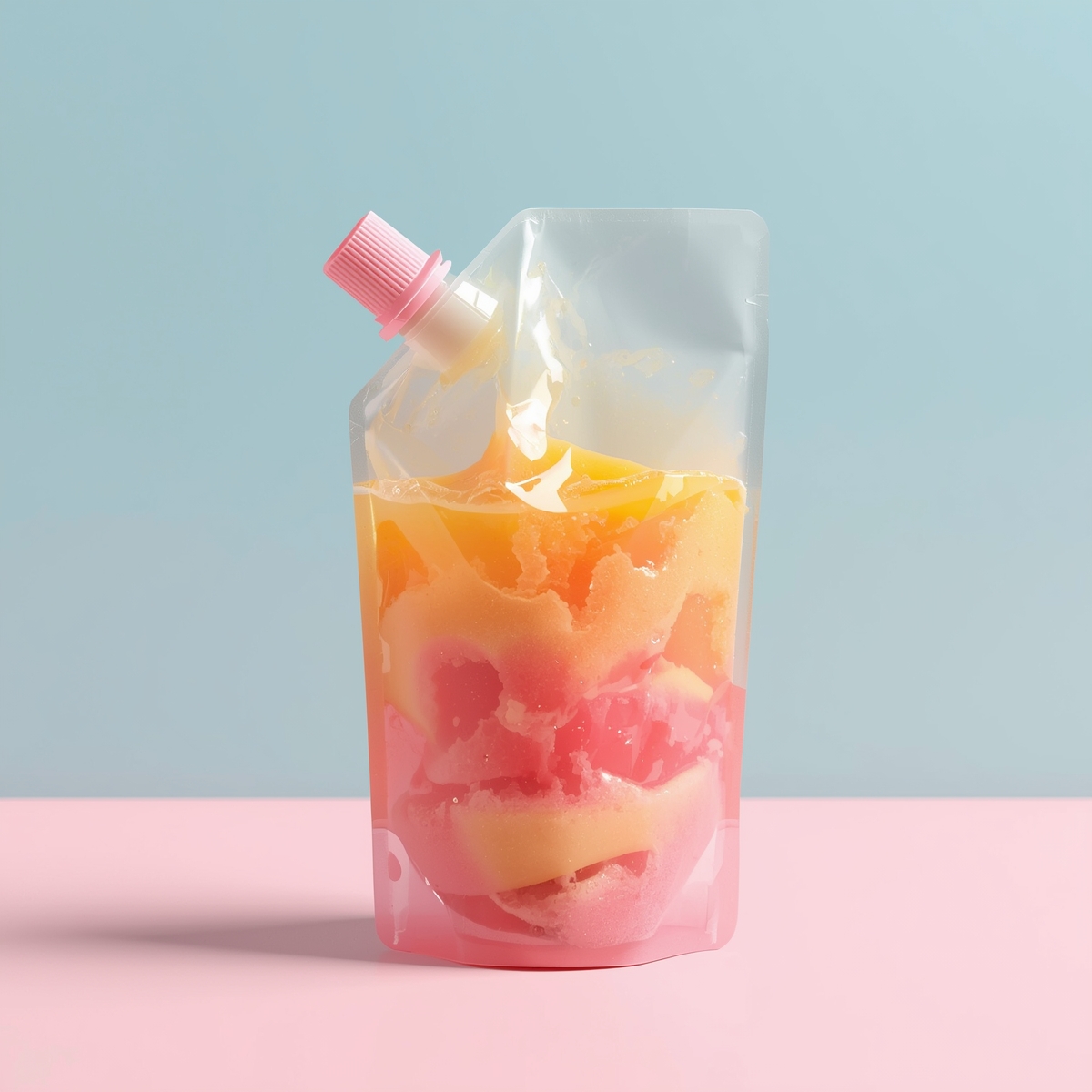
Core Performance: Ensuring Safety and Integrity for Liquid Foods
The primary mandate of food liquid packaging is to safeguard the product’s safety, quality, and consistency from production to consumption. Liquid foods present distinct challenges that demand specialized performance attributes: they exert pressure on packaging seals, are prone to chemical reactions with packaging materials, and require protection against external factors like oxygen, moisture, and light. This section explores the critical performance metrics that define reliable food liquid packages, including barrier properties, seal integrity, and chemical resistance.
1. Barrier Properties: Shielding Against External Threats
Oxygen, moisture, and light are the most significant threats to liquid food products. Oxygen exposure causes oxidation, which degrades flavor, nutritional value, and shelf life—particularly in products like edible oils, juices, and dairy. Moisture ingress can dilute concentrated liquids or promote microbial growth, while UV light breaks down vitamins and pigments in sensitive products such as fruit juices and plant-based milks. The effectiveness of a
liquid food package is therefore determined by its ability to block these elements, measured through three key metrics: Oxygen Transmission Rate (OTR), Moisture Vapor Transmission Rate (MVTR), and Light Transmittance.
OTR measures the amount of oxygen permeating through the packaging material over time, expressed in cubic centimeters per square meter per day (cc/m²/day). For oxygen-sensitive liquid foods like olive oil and fresh juice, a low OTR is non-negotiable. PET, for example, offers an OTR of 3-5 cc/m²/day, making it suitable for short-shelf-life juices, while laminated structures with ethylene vinyl alcohol (EVOH) or aluminum foil reduce OTR to ≤0.1 cc/m²/day, ideal for long-shelf-life products like UHT milk. MVTR, measured in grams per square meter per day (g/m²/day), quantifies moisture movement. For concentrated liquids like syrups or sauces, a low MVTR (≤0.5 g/m²/day) prevents dilution, while for products like yogurt drinks, it avoids excessive moisture loss that could alter texture.
Light transmittance, measured as a percentage, is critical for light-sensitive liquids. Aluminum foil laminates offer 0% light transmittance, providing maximum protection, while UV-inhibited PET reduces transmittance to 5-10%, balancing protection with product visibility. The table below summarizes the required barrier properties for common liquid food categories, providing a clear framework for packaging selection.
Liquid Food Category | Oxygen Transmission Rate (OTR) (cc/m²/day) | Moisture Vapor Transmission Rate (MVTR) (g/m²/day) | Light Transmittance (%) | Typical Shelf Life (Ambient) | Recommended Packaging Material |
|---|
Fresh Fruit Juice (Non-UHT) | ≤1.0 | ≤0.8 | ≤5 | 7-14 days | PET/EVOH/PE Laminated Pouch |
UHT Milk | ≤0.1 | ≤0.3 | 0 | 6-12 months | PET/Al/PE Tetra Pak or Pouch |
Edible Olive Oil | ≤0.5 | ≤0.2 | ≤5 | 12-18 months | HDPE Bottle or PET/Al/PE Pouch |
Tomato Sauce (Acidic) | ≤1.5 | ≤0.4 | ≤10 | 18-24 months | PP Bottle or PET/EVOH/PE Pouch |
Ready-to-Drink Iced Coffee | ≤0.8 | ≤0.5 | ≤5 | 9-12 months | PET Bottle with UV Inhibitor |
2. Seal Integrity: Preventing Leakage and Contamination
Leakage is the most common and costly issue in liquid food packaging. A single leaky package can contaminate an entire shipment, leading to product loss, reputational damage, and regulatory penalties. Seal integrity is therefore non-negotiable for liquid food containers, requiring packaging solutions that can withstand the pressure exerted by liquid products during filling, transportation, and storage.
The choice of sealing technology depends on the packaging material and product type. Heat sealing is the most widely used method for plastic-based liquid packages, using controlled heat and pressure to bond thermoplastic layers (typically PE or PP) into an airtight seal. The strength of the seal is measured by peel force (per ASTM F88), with a minimum requirement of 50 N/15mm for liquid foods—higher than the standard for solid foods—to ensure resistance to liquid pressure. For high-viscosity liquids like sauces or syrups, impulse heat sealing is preferred, as it delivers precise heat application to avoid seal degradation.
For rigid containers like PET bottles, screw-on caps with tamper-evident bands are the gold standard. These caps feature a sealing gasket (usually made of PE or foam) that creates a tight seal when twisted, while the tamper-evident band breaks upon first opening, assuring consumers of product integrity. For flexible pouches, spout closures are essential for easy pouring and resealing. These spouts are heat-sealed or ultrasonic-sealed into the pouch, with a flip-top or screw-on lid to prevent leakage after opening. Brands like Chobani use spouted pouches for their Greek yogurt drinks, with seal strength testing confirming resistance to 30 psi of internal pressure—well above the 20 psi typically encountered during shipping.
Quality control for seal integrity is critical throughout the production process. Manufacturers employ inline testing methods such as vacuum leak testing and dye penetration testing to identify defective seals before products leave the facility. Vacuum leak testing involves placing sealed packages in a vacuum chamber; any seal weakness results in air bubbles, indicating a leak. Dye penetration testing uses a colored dye that seeps through faulty seals, making defects visible to inspectors. Regular batch testing is also required to comply with global standards, including FDA 21 CFR Part 177 and EU Regulation (EC) No 10/2011.
3. Chemical Resistance: Avoiding Harmful Interactions
Liquid foods—especially acidic products like citrus juices, tomato sauces, and vinegar-based dressings—can react with packaging materials, leading to the migration of harmful substances into the product. This not only compromises food safety but also alters the product’s taste and odor. Chemical resistance is therefore a key performance attribute, requiring packaging materials that are inert and compatible with the specific liquid product.
PET and HDPE are highly resistant to acidic liquids, making them ideal for juices and sauces. PET, for example, does not react with citric acid (found in orange juice) and has minimal migration of monomers, complying with FDA standards for food contact. For oily liquids like edible oils and salad dressings, PP and laminated structures with EVOH are preferred, as they resist oil permeation and prevent oxidation. In contrast, low-density polyethylene (LDPE) is not suitable for oily liquids, as it can absorb oil molecules, leading to package deformation and reduced barrier performance.
Migration testing is a mandatory step to ensure chemical compatibility. This testing involves exposing packaging materials to food simulants that mimic the properties of the liquid product—for example, 3% acetic acid for acidic liquids, 95% ethanol for oily liquids, and water for aqueous products. The simulant is then analyzed for migrated substances, including heavy metals, residual monomers, and plasticizers. For liquid food packages, the overall migration limit is ≤60 mg/kg (per EU Regulation (EC) No 10/2011), with stricter limits for specific substances (e.g., lead ≤1 mg/kg, cadmium ≤0.05 mg/kg).