In the dynamic landscape of food packaging, the food plastic pouch with zip has emerged as a preferred solution for both food brands and consumers, blending functionality, convenience, and product protection. As a versatile packaging format, it serves as a critical link in the food supply chain—preserving the freshness of snacks, extending the shelf life of dry goods, and enhancing the user experience with its resealable design. For businesses visiting your
food plastic bag independent station, understanding the core attributes, applications, and selection criteria of food plastic pouches with zip is essential, whether they are sourcing packaging for new product lines or upgrading existing solutions to meet consumer demands.
The global food plastic pouch market, valued at $45.6 billion in 2023 (Market Research Future), is projected to grow at a CAGR of 6.2% to reach $68.9 billion by 2030. Within this market,
pouches with zip closures account for approximately 35% of the total value, driven by the rising demand for convenience foods, increasing consumer preference for
resealable packaging (to maintain freshness after opening), and the expanding retail sector. Unlike traditional packaging formats such as rigid containers or non-resealable bags, the food plastic pouch with zip offers lightweightness, space efficiency, and cost-effectiveness, reducing transportation costs and minimizing material waste.
A high-performance food plastic pouch with zip is defined by three core pillars: uncompromising quality control and food safety compliance to ensure suitability for direct food contact, flexible customization capabilities to meet the unique requirements of diverse food applications, and a commitment to sustainability paired with efficient supply chain management. These pillars are non-negotiable in an industry where packaging failures—such as a faulty zip closure, non-compliant material, or inadequate barrier performance—can lead to product spoilage, foodborne illnesses, and reputational damage. For example, a defective zip seal can allow oxygen and moisture to enter the pouch, causing snacks to go stale, while a pouch made from non-food-grade plastic can lead to harmful substance migration into food.
This article explores the three core pillars that define exceptional food plastic pouches with zip: the rigorous quality assurance and safety compliance measures that underpin their reliability, the customization strategies tailored to diverse food applications, and the integration of sustainability into production processes alongside efficient supply chain management. By examining these pillars, we aim to help businesses visiting your independent station make informed decisions—whether selecting the right pouch for their products, evaluating suppliers, or optimizing their packaging solutions to enhance product value and consumer satisfaction.
Whether a food business requires a high-barrier zip pouch for nuts, a breathable zip pouch for fresh produce, or a compostable zip pouch for eco-conscious branding, understanding the nuances of food plastic pouches with zip is key to success. In an increasingly competitive market, leveraging the right zip pouch not only protects products but also strengthens brand loyalty, meets consumer expectations for convenience, and supports long-term business growth.
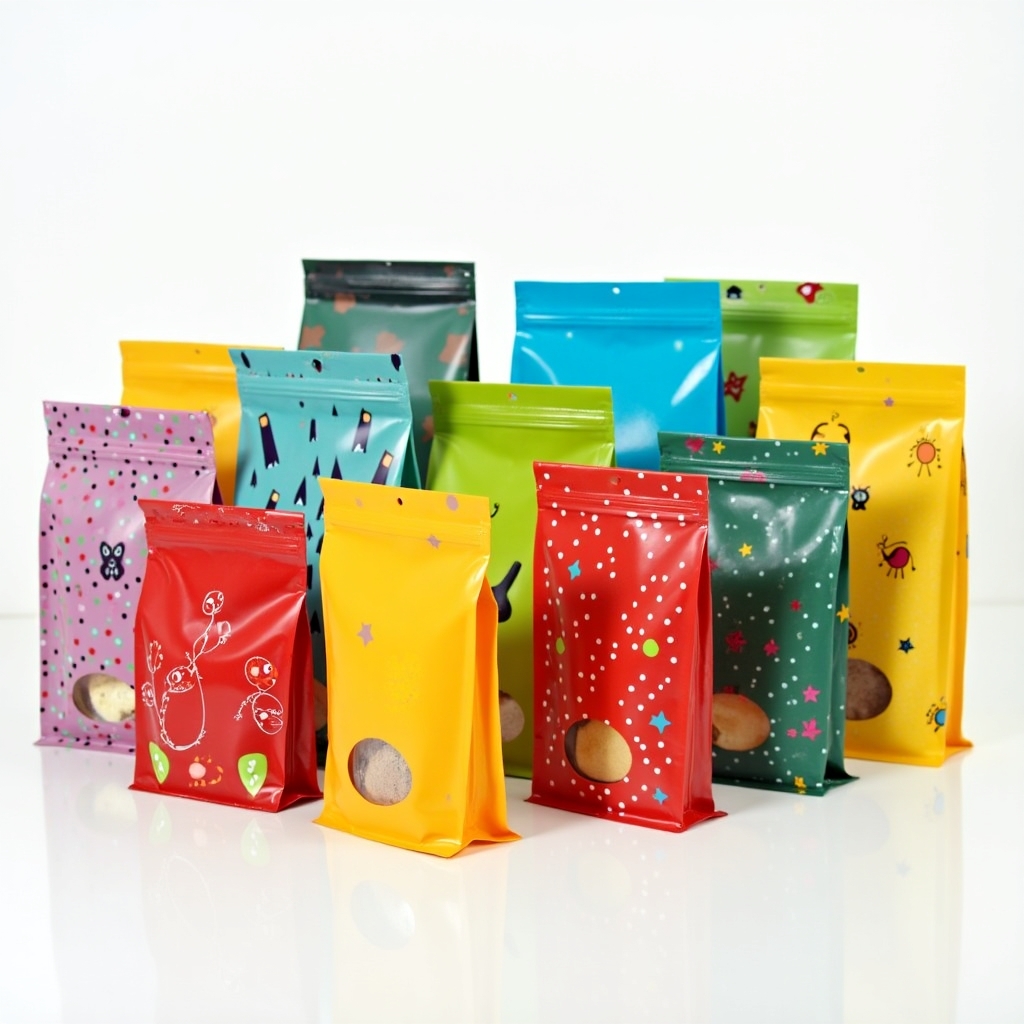
Quality Assurance & Food Safety Compliance
For food plastic pouches with zip, quality assurance and food safety compliance are the foundation of their usability and trustworthiness. Since these pouches come into direct contact with food, every component—from the plastic film and zip closure to adhesives and inks—must adhere to strict global standards to prevent contamination, substance migration, and other safety risks. This section explores the key components of quality control for food plastic pouches with zip, their compliance with international food safety regulations, and the testing protocols that validate their safety and performance.
Quality control for food plastic pouches with zip is a comprehensive process that covers every stage of production, from raw material sourcing to finished product inspection. It ensures that each pouch meets the required specifications for food contact, zip functionality, and barrier performance. Compliance with global regulations, meanwhile, ensures that the pouch can be legally marketed and used across different regions, avoiding costly fines and product recalls.
1.1 End-to-End Quality Control Processes
A robust quality control (QC) system for food plastic pouches with zip encompasses three key stages: raw material inspection, in-process monitoring, and finished product testing. This end-to-end approach eliminates quality gaps and ensures consistent performance across every batch.
Raw Material Inspection: The quality of a food plastic pouch with zip starts with its raw materials. Manufacturers must source food-grade plastic films (e.g., LDPE, HDPE, BOPP, PET/EVOH laminates), zip closures (e.g., slider zippers, press-to-seal zippers), adhesives, and inks that are approved for direct food contact. Raw material inspection involves verifying certificates of compliance (CoC) from suppliers, testing for contaminants such as heavy metals (lead, cadmium), volatile organic compounds (VOCs), and residual monomers. For example, food-grade LDPE film must have a residual ethylene monomer content of ≤ 5 mg/kg and be free of harmful additives like phthalates or bisphenol A (BPA). Zip closures, which are often made from PP or HDPE, must be tested for material purity and compatibility with the pouch film to ensure a secure seal. Reputable manufacturers establish long-term partnerships with trusted suppliers and conduct on-site audits to ensure sourcing reliability.
In-Process Quality Monitoring: During production, manufacturers implement real-time monitoring to detect and correct defects early. Key in-process checks include: (1) Film lamination control (ensuring uniform adhesion between layers for multi-layer pouches, critical for barrier performance); (2) Zip attachment inspection (verifying that zippers are correctly positioned and securely bonded to the pouch, preventing leakage); (3) Pouch formation control (ensuring accurate dimensions, consistent seal strength, and the absence of pinholes or tears); (4) Printing quality checks (ensuring ink adhesion, color accuracy, and compliance with food-safe ink standards). Advanced manufacturers use automated inspection systems, such as machine vision cameras, to detect surface defects and misaligned zippers at production speeds of up to 400 pouches per minute. They also conduct periodic manual checks to validate zip functionality—ensuring that zippers open and close smoothly and form a tight seal after multiple uses.
Finished Product Testing & Validation: Before shipment, finished food plastic pouches with zip undergo rigorous testing to validate their safety, performance, and suitability for intended applications. Key tests include: (1) Barrier property testing (oxygen transmission rate (OTR) and moisture vapor transmission rate (MVTR)) to ensure the pouch protects food from environmental factors; (2) Zip seal strength testing to verify that the closure forms an airtight and leak-proof seal; (3) Migration testing to ensure no harmful substances leach into food; (4) Tensile strength and puncture resistance testing to confirm durability during handling and transportation; (5) Microbial testing to verify the absence of pathogenic bacteria. Manufacturers also inspect the pouches for visual defects, zip functionality, and dimensional accuracy. Comprehensive test records are maintained for each batch, enabling full traceability in the event of a quality issue.
Case Study: A Global Food Pouch Manufacturer’s QC System A leading global manufacturer of food plastic pouches with zip, serving major snack and dry food brands, has implemented a three-tier QC system that reduces defect rates to 0.015%. The system includes: (1) Raw material inspection with third-party testing for every shipment of film, zippers, and adhesives, including analysis for heavy metals and residual monomers; (2) In-process monitoring with 12 automated inspection points along the production line, including machine vision cameras for zip alignment and seal integrity, and laser sensors for dimensional control; (3) Finished product testing in an ISO 17025-accredited in-house laboratory, covering barrier properties, zip seal strength, migration, and microbial safety. The manufacturer also uses statistical process control (SPC) to analyze production data, identifying trends to proactively prevent defects. This QC system has enabled the manufacturer to maintain 100% compliance with global food safety standards and secure long-term contracts with brands like Kraft Heinz and Unilever.
1.2 Compliance with Global Food Safety Regulations
Food plastic pouch with zip manufacturers operate in a highly regulated environment, with global, regional, and national regulations governing the materials, components, and labeling of food contact packaging. Compliance is mandatory, as non-compliance can result in fines, product recalls, and market bans. Key regulations that manufacturers must adhere to include:
European Union (EU) Regulations: The EU’s Regulation (EC) No 10/2011 sets strict limits on the migration of substances from plastic materials into food. For food plastic pouches with zip, this includes limits on heavy metals (lead ≤ 1 mg/kg, cadmium ≤ 0.05 mg/kg), residual monomers (e.g., propylene ≤ 10 mg/kg for PP zippers), and overall migration (≤ 60 mg/kg). The EU’s Single-Use Plastics Directive (SUPD) also requires manufacturers to use recycled content in certain plastic pouches and prohibits non-biodegradable pouches in specific applications. Additionally, pouches must be labeled with clear information about material composition, disposal instructions, and any eco-friendly claims (e.g., “recyclable,” “compostable”).
United States Regulations: The U.S. Food and Drug Administration (FDA) regulates food contact plastics under 21 CFR Part 177, which specifies approved materials for food packaging and sets migration limits. For example, food-grade LDPE film must comply with 21 CFR 177.1520, while PP zippers must comply with 21 CFR 177.1520. The Federal Trade Commission (FTC) regulates environmental claims to prevent greenwashing, requiring manufacturers to support such claims with scientific evidence. State-level regulations, such as California’s SB 54 (Plastic Pollution Prevention Act), further mandate recycled content and compostability requirements for food plastic pouches.
China Regulations: China’s GB 4806.7-2016 standard governs food contact plastics, setting strict limits on heavy metals, VOCs, and migration. The “Plastic Ban Order” (General Office of the State Council Notice No. 80, 2020) requires manufacturers to produce biodegradable alternatives for single-use food plastic pouches in urban areas by 2025. Pouches must also be labeled with a QR code linking to test reports, enabling traceability and regulatory verification.
International Standards: Beyond regional regulations, manufacturers often comply with international standards such as ISO 9001 (quality management systems) and ISO 22000 (food safety management systems). These standards provide a framework for consistent quality and safety, helping manufacturers meet the requirements of global food brands.
To ensure compliance, reputable manufacturers invest in regulatory expertise, maintaining teams of specialists who monitor changes in regulations and update production processes accordingly. They also conduct regular internal and third-party audits to verify compliance and obtain certifications that validate their adherence to standards. For example, manufacturers may obtain BPI certification for biodegradable pouches or FDA registration for food contact components.
Case Study: A Chinese Manufacturer’s Global Compliance Strategy A leading Chinese manufacturer of food plastic pouches with zip, supplying domestic and international markets, has implemented a region-specific compliance strategy. For EU markets, the manufacturer ensures all pouches meet EC 10/2011 and SUPD requirements, obtaining EN 13432 certification for biodegradable pouches. For U.S. markets, it sources FDA-approved film and zippers, and obtains BPI certification for compostable options. For the Chinese market, it complies with GB 4806.7-2016 and the Plastic Ban Order, adding QR codes to all pouches for traceability. The manufacturer also maintains an in-house regulatory team that tracks changes in global standards, ensuring proactive adjustments to production processes. This strategy has allowed the manufacturer to export to 45+ countries and secure partnerships with retailers like Walmart and Tesco.
1.3 Key Testing Protocols for Food Plastic Pouch with Zip
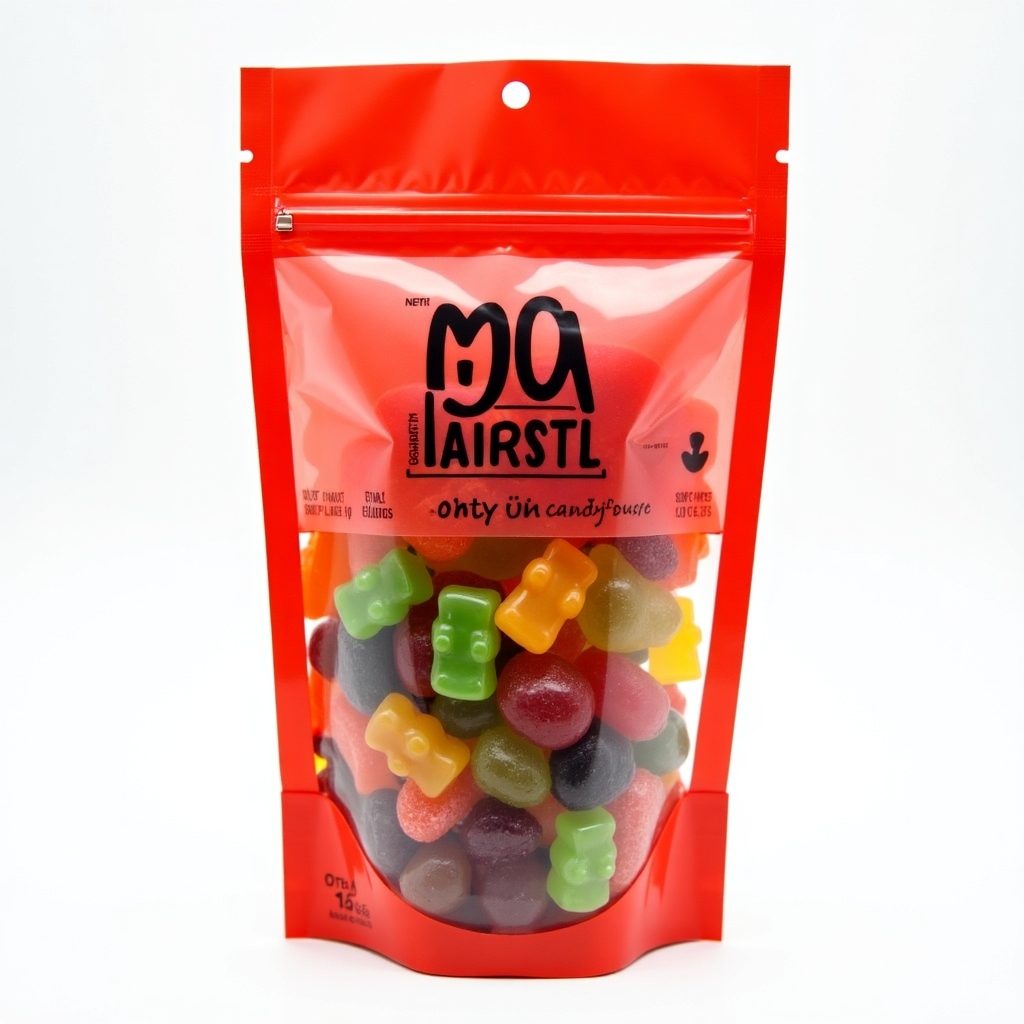
Testing is a critical component of quality assurance and compliance for food plastic pouches with zip, ensuring that they meet safety and performance requirements. Reputable manufacturers conduct a range of tests using advanced equipment and standardized methods (e.g., ASTM, ISO, GB). Key testing protocols include:
Migration Testing: This test measures the transfer of substances from the pouch (film, zippers, adhesives) to food, using food simulants that mimic different food types (e.g., water for aqueous foods, 3% acetic acid for acidic foods, 95% ethanol for fatty foods). The simulant is analyzed for contaminants such as heavy metals, VOCs, and residual monomers. Migration testing ensures compliance with global limits (e.g., FDA 21 CFR Part 177, EC 10/2011) and prevents harmful substances from entering food.
Barrier Property Testing: Oxygen and moisture are the primary causes of food spoilage, making barrier property testing essential. Oxygen transmission rate (OTR) testing (per ASTM D3985) measures the amount of oxygen passing through the pouch, with lower values indicating better barrier performance. Moisture vapor transmission rate (MVTR) testing (per ASTM D1653) measures moisture movement, critical for dry foods (e.g., snacks, grains) and frozen foods. High-barrier pouches (e.g., for nuts, dried fruits) typically have OTR ≤ 1 cc/m²/day and MVTR ≤ 2 g/m²/day.
Zip Seal Strength & Performance Testing: The zip closure is the most critical functional component of the pouch. Seal strength testing (per ASTM F88) measures the force required to separate the zip seal, ensuring it forms an airtight barrier. Manufacturers also conduct cyclic testing—opening and closing the zip 50+ times—to verify that it maintains seal integrity over repeated use. Leak testing (per ASTM D3078) is also performed, filling the pouch with a liquid or gas to check for leaks around the zip and pouch seams.
Mechanical Property Testing: Tensile strength testing (per ASTM D882) measures the pouch’s ability to resist stretching and breaking, while puncture resistance testing (per ASTM D5748) measures its ability to withstand sharp objects (critical for products like nuts or dried fruits). These tests ensure the pouch can withstand handling, transportation, and retail display.
Microbial Testing: Food plastic pouches with zip must be free of pathogenic bacteria and have low microbial counts to prevent food contamination. Microbial testing (per ISO 22000) includes total plate count (≤ 100 CFU/g) and tests for Salmonella, E. coli, and other harmful bacteria (zero tolerance).
Printing Quality Testing: For printed pouches, testing ensures ink adhesion (per ASTM D3359), color fastness, and compliance with food-safe ink standards. Ink must not migrate into food and must remain legible throughout the product’s shelf life.
Advanced manufacturers invest in in-house testing laboratories equipped with specialized equipment, such as MOCON OX-TRAN for OTR testing, PERMATRAN-W for MVTR testing, and seal strength testers for zip performance analysis. They also partner with third-party laboratories (e.g., SGS, Intertek) for independent verification, providing customers with confidence in pouch quality and safety.
plastic pouch with zip
zipper packages
plastic zipper packages