In the fast-paced modern life, the way we store and preserve food has a direct impact on our health, budget, and quality of life. Among the various food storage solutions, food zip lock bags stand out as a versatile and indispensable tool. They are not just simple plastic bagswith a sealing mechanism; they are a product of technological innovation tailored to meet the diverse needs of households, food businesses, and even outdoor enthusiasts. From keeping fruits and vegetables crisp to protecting leftovers from spoilage, from organizing pantry items to facilitating convenient food transport, food zip lock bags have woven themselves into the fabric of our daily routines.
The popularity of food zip lock bags on independent e-commerce platforms dedicated to food
plastic packaging is no accident. Consumers are increasingly seeking reliable, cost-effective, and user-friendly storage options, and these bags deliver on all fronts. This article will delve into three core advantages of food zip lock bags—their exceptional freshness retention capabilities, strict adherence to food safety standards, and wide-ranging practical applications—that make them a must-have product in the food storage market. By understanding these key features, both individual consumers and business buyers can make informed decisions and fully leverage the value of food zip lock bags.
1 Exceptional Freshness Retention: The Core Competence
1.1 Advanced Sealing Technology Blocks Spoilage Factors
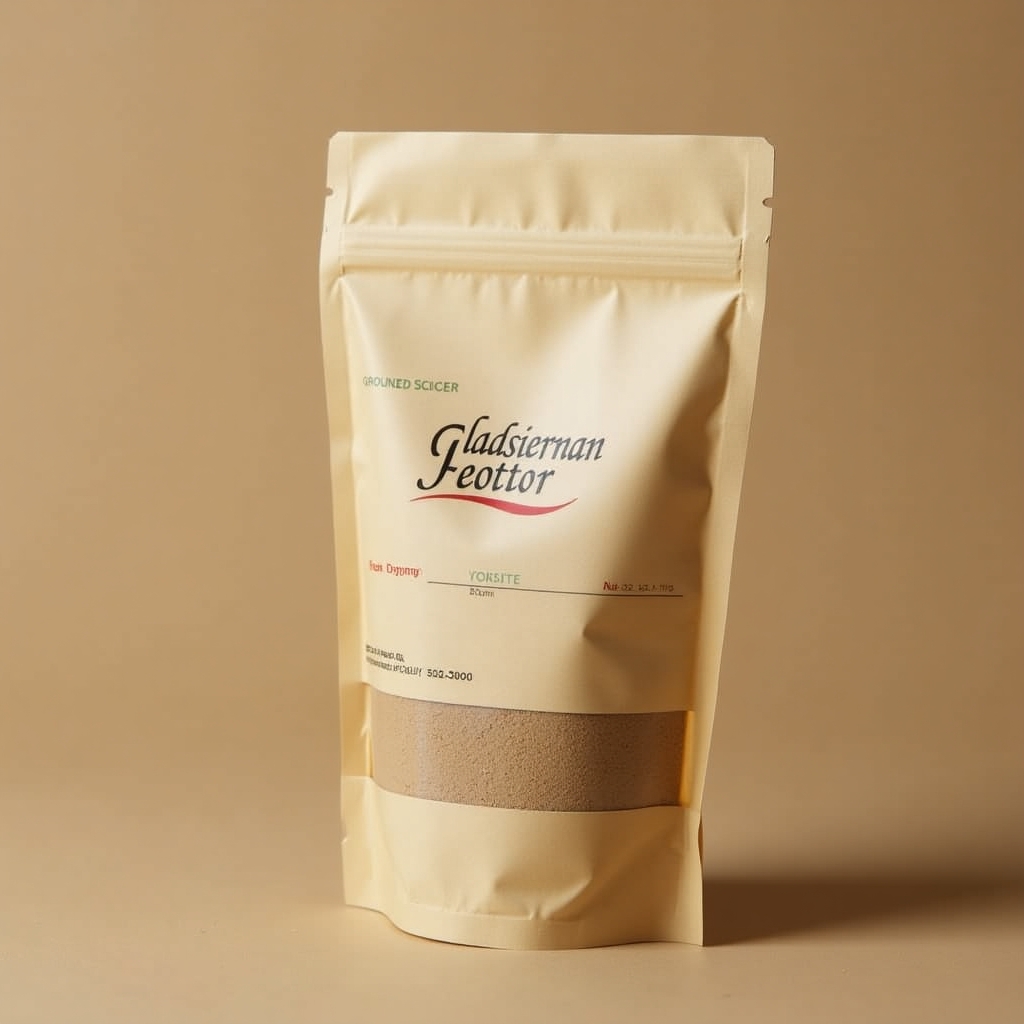
The most fundamental and crucial function of food zip lock bagsis to preserve the freshness of food, and this is largely attributed to their advanced sealing technology. Unlike traditional plastic bags that rely on tying or folding, which often leave gaps, food zip lock bags are equipped with a specialized interlocking zipper mechanism. This mechanism consists of two complementary plastic strips—one with convex ridges and the other with concave grooves—that form an airtight seal when pressed together firmly.
When the zipper is properly closed, it effectively blocks three major factors that cause food spoilage: oxygen, moisture, and external contaminants. Oxygen is one of the primary culprits behind food deterioration, as it promotes the growth of aerobic bacteria and accelerates oxidation. For example, sliced apples turn brown due to oxidation, and cooked meats develop a rancid odor when exposed to oxygen for an extended period. Food zip lock bags, by creating an airtight environment, significantly reduce the oxygen content inside the bag, thereby slowing down these harmful reactions.
Moisture control is another key aspect of freshness retention. Excessive moisture can lead to the growth of mold and mildew, while insufficient moisture can cause food to dry out. Food zip lock bags with good sealing performance maintain an optimal moisture balance inside the bag. For instance, leafy greens stored in these bags retain their crispness because the seal prevents moisture from evaporating, while dried fruits and nuts stay dry and crunchy as the bag blocks external moisture from entering.
To ensure the reliability of the sealing mechanism, reputable manufacturers conduct rigorous testing. These tests include air leakage tests, where filled bags are submerged in water to check for bubbles, and pressure tests to simulate the conditions of transportation and storage. Only bags that pass these strict tests are put on the market, ensuring that consumers can trust their sealing performance.
1.2 Extending Food Shelf Life: Economic and Environmental Benefits
The exceptional freshness retention capability of food zip lock bags directly translates to an extended shelf life for various foods, bringing significant economic and environmental benefits. For households, reducing food waste means saving money on grocery bills. According to a survey conducted by the Food and Agriculture Organization (FAO), approximately one-third of the food produced globally for human consumption is lost or wasted each year, and a large portion of this waste occurs at the household level due to improper storage.
Food zip lock bags help address this issue by keeping food fresh for longer periods. For example, fresh meat stored in ordinary plastic bags may spoil within 1-2 days in the refrigerator, but when sealed in a high-quality food zip lock bag, its shelf life can be extended to 3-5 days. Similarly, baked goods like bread and pastries, which tend to go stale quickly, can stay soft and delicious for an extra 2-3 days when stored in these bags. This not only reduces the frequency of grocery shopping but also minimizes the amount of food that ends up in the trash.
From an environmental perspective, reducing food waste is crucial for mitigating the impact of agriculture on the environment. Food production requires large amounts of water, land, and energy, and when food is wasted, all these resources are wasted as well. By extending the shelf life of food, food zip lock bags indirectly contribute to environmental protection. Additionally, many food zip lock bags are now made from recyclable materials, further reducing their environmental footprint.
For food businesses such as restaurants, cafes, and catering companies, the ability to extend food shelf life is even more important. These businesses often need to store large quantities of ingredients and prepared foods, and any spoilage can lead to significant financial losses. Food zip lock bags provide a cost-effective solution for bulk storage, allowing businesses to purchase ingredients in larger quantities without worrying about rapid spoilage, thus optimizing their inventory management and reducing operational costs.
2 Strict Food Safety Compliance: A Reliable Guarantee for Health
2.1 Food-Grade Materials: Non-Toxic and Harmless
When it comes to food storage products, safety is of paramount importance. Food zip lock bags, which come into direct contact with food, must be made from high-quality food-grade materials to ensure they are non-toxic and harmless. Reputable manufacturers strictly adhere to international food safety standards, such as the FDA (Food and Drug Administration) standards in the United States and the EU 10/2011 regulations in the European Union, when selecting materials for their products.
The most commonly used material for food zip lock bags is polyethylene (PE), which is a thermoplastic polymer that is widely recognized as safe for food contact. PE is non-toxic, odorless, and does not release harmful substances even when in contact with hot or acidic foods. Unlike some low-quality plastic materials that may contain bisphenol A (BPA), phthalates, or other toxic chemicals, food-grade PE ensures that the food stored in the bags remains pure and untainted.
To further enhance safety, some food zip lock bags are made from modified PE materials, such as low-density polyethylene (LDPE) and linear low-density polyethylene (LLDPE). LDPE has excellent flexibility and transparency, making it ideal for packaging fresh foods, while LLDPE offers superior puncture resistance and durability, suitable for storing foods with sharp edges, such as bones and hard fruits. These materials undergo rigorous testing to ensure they meet the highest safety standards before being used in production.
Consumers can easily identify food-grade zip lock bags by checking the product labels. Reputable products will clearly indicate that they are made from food-grade materials and comply with relevant safety standards. It is important for consumers to avoid purchasing unbranded or low-priced bags that lack such labeling, as they may pose a health risk.
2.2 Resistance to High and Low Temperatures: Versatile and Safe
Another important safety feature of food zip lock bags is their resistance to high and low temperatures, which allows them to be used in a variety of scenarios, including refrigeration, freezing, and even microwave heating (for specific types). This versatility not only enhances the practicality of the bags but also ensures that they remain safe and stable under different temperature conditions.
For freezing applications, food zip lock bags must be able to withstand extremely low temperatures (as low as -20°C or even lower) without becoming brittle or cracking. High-quality bags made from LLDPE or other freeze-resistant materials can maintain their integrity in the freezer, preventing ice crystals from forming on the food and protecting it from freezer burn. Freezer burn not only affects the taste and texture of food but also reduces its nutritional value, so a reliable freeze-resistant zip lock bag is essential for long-term food storage in the freezer.
Some food zip lock bags are also designed to be microwave-safe, allowing consumers to reheat food directly in the bag without transferring it to another container. These bags are made from heat-resistant materials that can withstand microwave temperatures (usually up to 120°C) without melting or releasing harmful substances. However, it is important to note that microwave-safe zip lock bags should be used in accordance with the manufacturer's instructions, such as leaving the zipper slightly open to allow steam to escape and avoiding heating fatty or oily foods for extended periods.
The temperature resistance of food zip lock bags is tested through a series of rigorous procedures. Manufacturers subject the bags to extreme temperature cycles to simulate real-world usage conditions and ensure that they remain safe and functional. This attention to detail ensures that consumers can use the bags with confidence in any temperature environment.
3 Wide-Ranging Practical Applications: Meeting Diverse Needs
3.1 Household Use: Organized and Convenient
In households, food zip lock bags have a wide range of practical applications, making them an essential item in the kitchen and beyond. One of the most common uses is organizing pantry items. Dry ingredients such as flour, sugar, rice, and pasta can be stored in zip lock bags to keep them dry and free from pests. The transparent design of the bags allows consumers to easily see the contents, making it easy to find what they need without opening multiple containers.
Food zip lock bags are also ideal for storing leftovers. After a meal, leftover foods can be quickly sealed in the bags and stored in the refrigerator or freezer, reducing the risk of cross-contamination and keeping the food fresh. Unlike bulky food storage containers, zip lock bags are lightweight and can be stacked flat, saving valuable space in the refrigerator and freezer.
Another popular household use is portion control. For individuals who are trying to manage their diet or for families with children, zip lock bags can be used to portion out snacks, cereals, and other foods. This not only helps with portion management but also makes it easy to grab a quick snack on the go. For example, parents can portion out fruit slices, nuts, or cheese cubes into small zip lock bags for their children's lunchboxes.
Food zip lock bags are also useful for non-food items in the household. They can be used to store small items such as jewelry, electronics accessories, and travel toiletries, keeping them organized and protected from moisture and dust. When traveling, zip lock bags are essential for packing toiletries to prevent leaks and spills in luggage.
3.2 Food Business Applications: Efficient and Hygienic
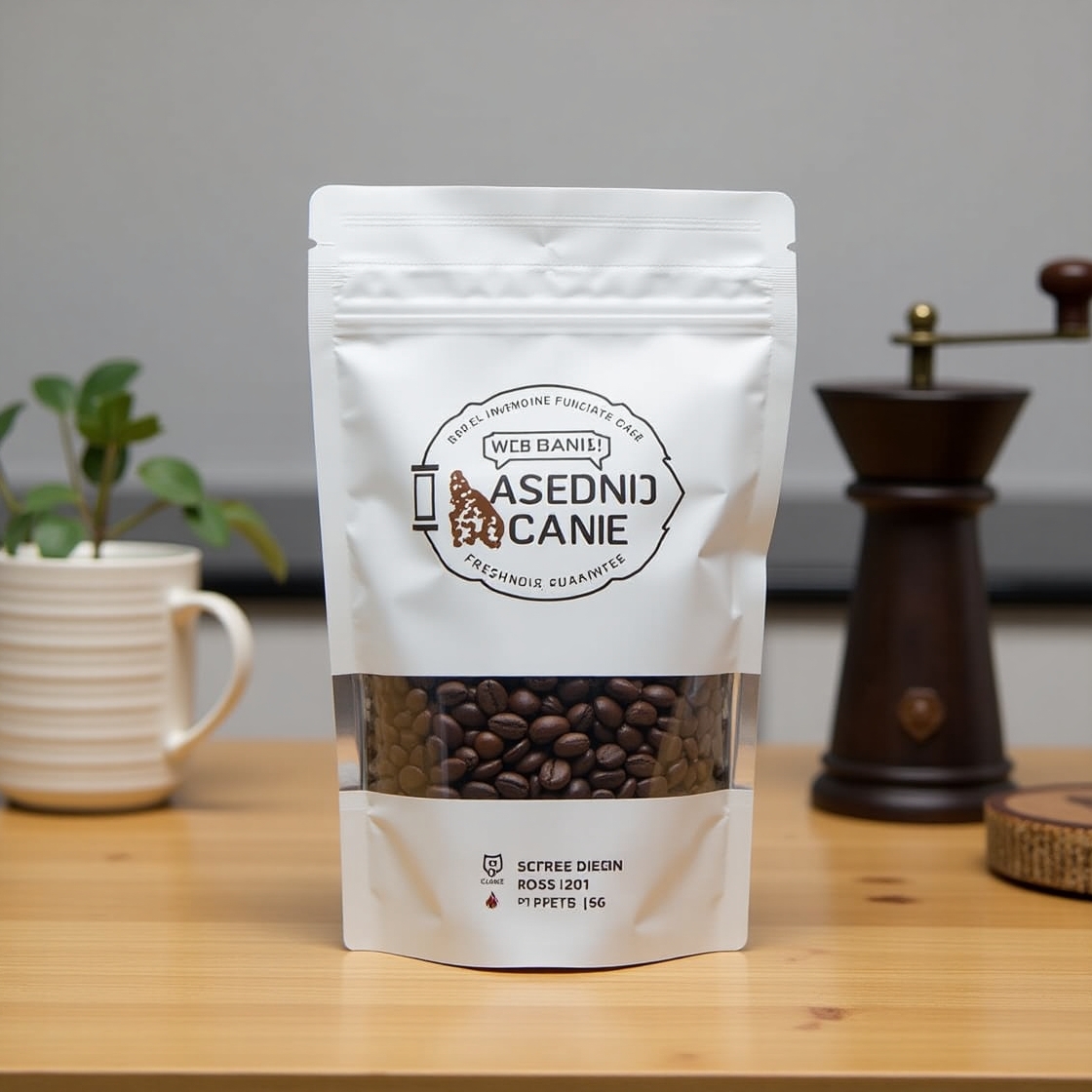
Food zip lock bags are not just for household use; they also play a crucial role in various food businesses. In restaurants and cafes, these bags are used for storing and transporting ingredients. For example, fresh herbs, chopped vegetables, and pre-marinated meats can be stored in zip lock bags to maintain their freshness and hygiene. The airtight seal ensures that the ingredients do not absorb odors from other foods in the refrigerator, preserving their original flavor.
Catering companies often use food zip lock bags for portioning and packaging prepared foods. Buffet-style events, in particular, benefit from the use of these bags, as they allow caterers to portion out foods such as salads, desserts, and appetizers in advance, ensuring consistent portion sizes and reducing preparation time on the day of the event. The transparent design of the bags also makes the food more appealing to customers.
In the retail food industry, food zip lock bags are used for packaging a variety of products, including dried fruits, nuts, candies, and baked goods. Many independent food stores and online food retailers use custom-printed zip lock bags to package their products, as they are cost-effective and provide a professional appearance. The zipper mechanism allows customers to reseal the bag after opening, keeping the product fresh for longer.
Food businesses also value the hygienic properties of food zip lock bags. The sealed environment prevents contamination from bacteria, dust, and other pollutants, ensuring that the food meets strict hygiene standards. This is particularly important in the food industry, where hygiene and food safety are top priorities.
3.3 Outdoor and Travel Use: Portable and Durable
For outdoor enthusiasts and travelers, food zip lock bags are a lightweight and durable storage solution. When camping or hiking, it is essential to store food properly to prevent it from being contaminated by animals and to keep it fresh for the duration of the trip. Food zip lock bags are ideal for this purpose, as they are lightweight and take up minimal space in a backpack.
The airtight seal of the bags also helps to keep food odors contained, which is important for preventing wild animals from being attracted to the campsite. Additionally, the durable material of the bags can withstand the rigors of outdoor use, such as being jostled in a backpack or exposed to minor scratches and bumps.
When traveling, food zip lock bags are useful for storing snacks and meals for the journey. Whether traveling by plane, train, or car, having pre-portioned snacks in zip lock bags makes it easy to stay fueled without having to purchase expensive and often unhealthy convenience foods. The bags are also compliant with airline security regulations, making them a convenient option for carrying liquids and gels in hand luggage (when used in accordance with the 3-1-1 rule).
Another travel use for food zip lock bags is storing wet or dirty items, such as swimwear, socks, or dirty clothes. The waterproof seal of the bags prevents moisture and odors from spreading to other items in the luggage, keeping the rest of the belongings clean and dry.
Conclusion: Choosing the Right Food Zip Lock Bag for You
Food zip lock bags are a versatile and essential product that offers exceptional freshness retention, strict food safety compliance, and wide-ranging practical applications. Whether you are a household consumer looking to reduce food waste, a food business owner seeking efficient and hygienic storage solutions, or an outdoor enthusiast in need of portable food storage, food zip lock bags have something to offer.
When choosing food zip lock bags, it is important to consider your specific needs. For household use, smaller sizes are ideal for storing leftovers and snacks, while larger sizes are suitable for bulk items and pantry organization. For food businesses, custom-printed bags with logos and branding can help to promote the business while providing a professional packaging solution. For outdoor and travel use, durable and freeze-resistant bags are the best choice.
It is also crucial to choose products from reputable manufacturers that adhere to strict food safety standards. Look for bags that are labeled as food-grade and comply with international regulations, such as FDA or EU standards. By doing so, you can ensure that the bags are non-toxic and safe for use with food.
In conclusion, food zip lock bags are more than just a simple storage tool; they are a reliable partner in maintaining food freshness, ensuring food safety, and making our daily lives more organized and convenient. With their numerous advantages and diverse applications, it is no wonder that they are a popular product on food plastic packaging independent stations. Invest in high-quality food zip lock bags today and experience the difference they can make in your life.
zip lock bags
zipper pack
biodegradable bags