




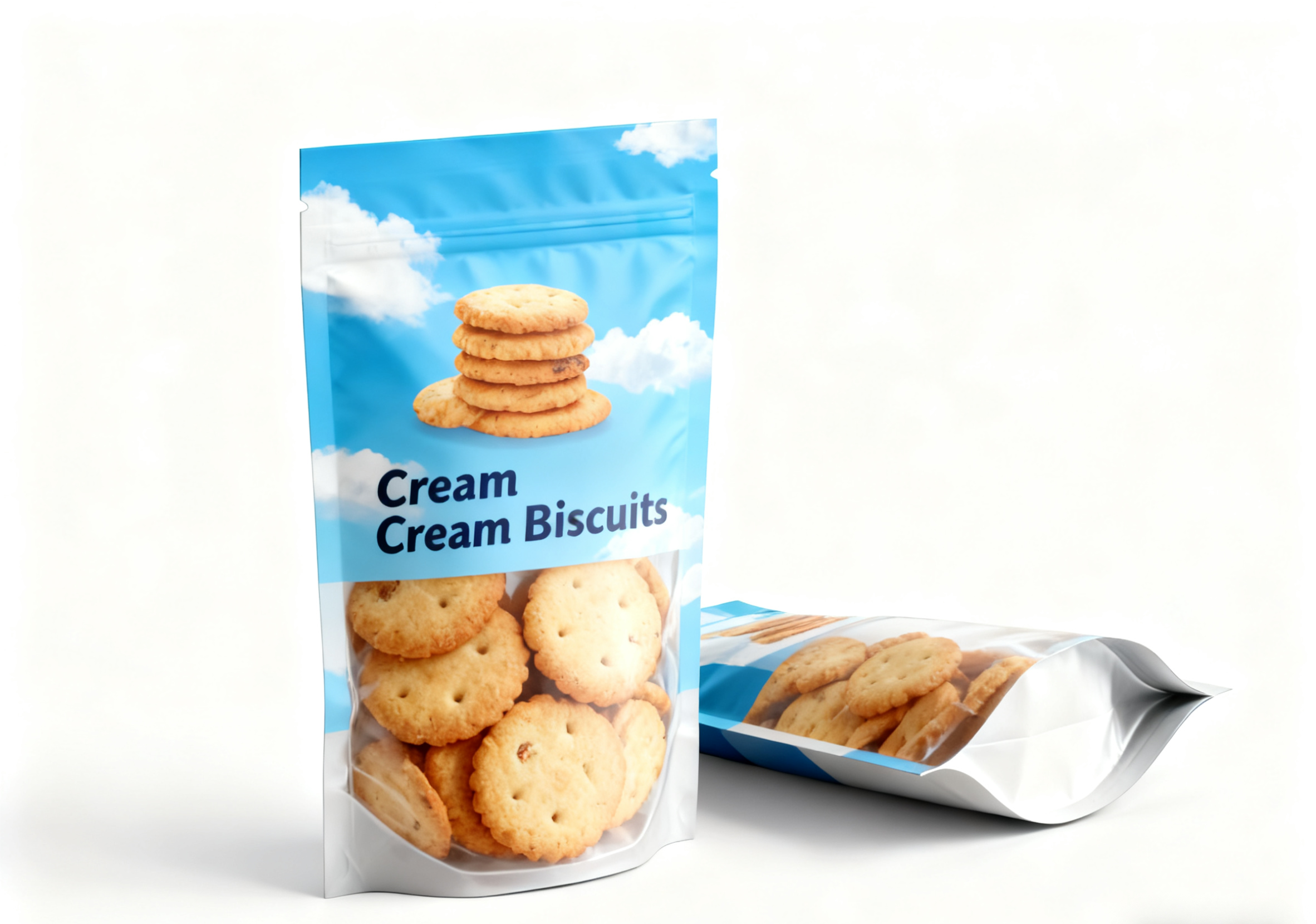
In the global food industry, packaging is no longer a mere afterthought—it is a critical bridge between product quality and consumer trust. Among the diverse packaging solutions available, the food zip plastic pouch stands out as a transformative innovation. Combining the flexibility of plastic with the convenience of a resealable zipper, this packaging format has redefined how consumers store, access, and perceive food products. From pantry staples like grains and nuts to perishables such as pre-cut fruits and ready-to-eat meals, zip plastic pouches have become a staple in supermarkets, convenience stores, and households worldwide.
What sets the food zip plastic pouch apart from traditional packaging? Unlike rigid containers (e.g., cans, glass jars) that are heavy and costly to ship, zip pouches are lightweight, reducing transportation costs by up to 40%. Unlike non-resealable bags (e.g., paper bags, single-use plastic bags) that fail to maintain freshness after opening, zip pouches feature a hermetic zipper closure that creates an airtight seal with each use. Additionally, plastic materials—such as polyethylene (PE), polypropylene (PP), polyester (PET), and laminated structures with ethylene vinyl alcohol (EVOH) or aluminum foil—offer customizable barrier properties, making zip pouches suitable for a wide range of food products, from moisture-sensitive snacks to oxygen-sensitive meats.
1. Core Performance: Preserving Food Quality and Safety
1.1 Airtight Zipper Closures: The First Line of Defense
Beyond basic functionality, modern zipper closures incorporate advanced features to enhance performance and safety: Tamper-Evident Seals: A thin plastic strip attached to the zipper that must be torn before the first use, ensuring consumers that the product has not been opened or contaminated. Required by the FDA (21 CFR Part 110) for ready-to-eat foods, tamper-evident seals are standard on zip pouches for deli meats, pre-cut vegetables, and prepared meals. Hormel’s Natural Choice deli meat pouches use a tamper-evident strip that changes color from clear to red once torn, providing visual confirmation of safety.Leak-Proof Gaskets: Embedded in the zipper teeth, these rubber or silicone gaskets create an extra layer of protection against liquid leakage. Ideal for wet products (e.g., soups, sauces, marinated meats), leak-proof zippers reduce the risk of cross-contamination in refrigerators and pantries. Campbell’s Soup uses leak-proof slider zippers for its single-serve soup pouches, with zero reported leakage incidents in consumer testing.Child-Resistant Zippers: Designed with a dual-action closure (e.g., push-and-slide) that prevents young children from opening the pouch, these zippers are mandatory for food products containing allergens (e.g., nuts) or small parts (e.g., candy). The EU’s Child Safety Directive (2009/48/EC) requires child-resistant packaging for such products, and brands like Planters use child-resistant slider zippers for their peanut butter pouches.The performance of a zipper closure is not just about design—it also depends on proper integration with the pouch material. For example, a slider zipper made from PP must be heat-sealed to a pouch made from PE with a compatible adhesive to ensure a secure bond. Poor integration can lead to zipper detachment, a common issue with low-quality pouches that results in 12% of food waste (FPA, 2024).
1.2 Customizable Barrier Properties: Matching Food Sensitivity
The table below summarizes the required barrier properties for common food types, providing a clear guide for packaging selection:
Food Type | Oxygen Transmission Rate (OTR) (cc/m²/day) | Moisture Vapor Transmission Rate (MVTR) (g/m²/day) | Light Transmittance (%) | Temperature Range | Shelf Life (Typical) | Recommended Pouch Structure |
|---|---|---|---|---|---|---|
Almonds (Oxygen-Sensitive) | ≤ 0.5 | ≤ 0.4 | ≤ 10 | 15-25°C (Ambient) | 9-12 months | PET/EVOH/PE with Slider Zipper |
Cereal (Moisture-Sensitive) | ≤ 1.0 | ≤ 0.3 | ≤ 15 | 15-25°C (Ambient) | 6-8 months | PET/PE with Press-to-Seal Zipper |
Pre-Cut Apples (Light/Oxygen-Sensitive) | ≤ 0.2 | ≤ 0.5 | ≤ 5 | 0-4°C (Refrigerated) | 7-10 days | PET/Al/PE with Tamper-Evident Zipper |
Frozen Broccoli (Temperature-Resistant) | ≤ 0.8 | ≤ 0.2 | ≤ 20 | -20 to -18°C (Frozen) | 12-18 months | PET/PA/PE with Slider Zipper |
Greek Yogurt (Liquid/Refrigerated) | ≤ 0.3 | ≤ 0.1 | ≤ 10 | 0-4°C (Refrigerated) | 21-28 days | PET/EVOH/PE with Leak-Proof Zipper |
1.3 Food Safety Compliance: Meeting Global Standards
To ensure compliance, food businesses should work with packaging suppliers that provide the following documentation: Certificate of Compliance (CoC): Confirms the pouch meets regional regulations (e.g., FDA, EU) and includes test results for migration and contaminants.Material Safety Data Sheet (MSDS): Details the composition of the pouch and zipper materials, including any additives (e.g., antioxidants, colorants) used.Third-Party Test Reports: Results from independent laboratories (e.g., SGS, UL) verifying compliance with migration limits and safety standards.Case Study: Nestlé’s Compliance Strategy for Zip Pouches Nestlé, one of the world’s largest food companies, uses zip plastic pouches for products like KitKat snacks and Maggi noodles. To ensure compliance with 120+ global regulations, Nestlé has implemented a three-step process: (1) conducting pre-production audits of suppliers to verify material sourcing; (2) testing every batch of pouches for migration and contaminants; (3) labeling pouches with region-specific compliance symbols. This strategy has prevented 100+ potential recalls and ensured Nestlé’s zip pouch products meet the standards of even the strictest markets, such as the EU and Japan.
2. Customization: Aligning Zip Pouches with Food Types and Consumer Needs
The food market is highly segmented, with diverse product types (e.g., snacks, dried goods, refrigerated meals) and consumer segments (e.g., busy parents, health-conscious millennials, budget shoppers). Effective food zip plastic pouches must be customized to the unique needs of each segment, balancing functionality with brand identity. This section explores how zip pouches are tailored to key food formats and consumer scenarios, with real-world examples of successful customization strategies.
2.1 Format-Specific Customization: From Snacks to Dried Goods
Each food format has unique physical and usage requirements, dictating the design of the zip pouch. Snacks require portability and easy access; dried goods need moisture resistance; refrigerated meals demand leak-proofing and temperature stability. Customization ensures each format’s needs are met while optimizing for shelf appeal and consumer convenience.
2.1.1 Snack Foods: Portability and On-the-Go Convenience
Snack foods (e.g., chips, crackers, energy bars) are the largest application for food zip plastic pouches, accounting for 35% of the market (Grand View Research, 2024). They target on-the-go consumers (e.g., commuters, students, athletes) who prioritize portability, easy opening, and portion control. The key customization features for snack zip pouches include: Lightweight Materials: Thin yet durable PE or PET/PE laminates that reduce weight and shipping costs. Lay’s potato chip pouches use a 40-micron PET/PE structure with a press-to-seal zipper, weighing 50% less than traditional foil bags.Stand-Up Design: A bottom gusset that allows the pouch to stand upright on store shelves, maximizing visibility. Cheetos’ Flamin’ Hot pouches use a stand-up design with a slider zipper, increasing shelf presence by 30% compared to flat bags.Easy-Open Features: Tear notches or perforations that allow consumers to open the pouch without scissors. Kind energy bar pouches have a tear notch at the top, with 98% of consumers reporting they can open the pouch in under 2 seconds (FMI, 2024).Printed Branding: Bold, colorful graphics that stand out in crowded snack aisles. Doritos’ zip pouches use vibrant colors and a matte finish to attract younger consumers, with 72% of 18-34-year-olds citing the packaging as a key purchase factor.Case Study: Kind Energy Bar Zip Pouches Kind, a leader in healthy snacks, redesigned its energy bar packaging to include a press-to-seal zipper, addressing consumer complaints about staleness after opening. The new pouch uses a PET/PE structure with a tear notch and a slim, lightweight design that fits in purses and backpacks. The front features the brand’s iconic “Kind” logo and a clear label highlighting “100% Natural Ingredients,” while the back includes a QR code linking to nutritional information and recipe ideas. Since launching the zip pouch, Kind has seen a 22% increase in repeat purchases, with 89% of consumers reporting they prefer the resealable design over the previous non-resealable bags.
2.1.2 Dried Goods: Moisture Resistance and Long Shelf Life
Dried goods (e.g., grains, nuts, dried fruits, spices) are moisture-sensitive and require zip pouches with high barrier properties to prevent caking, mold growth, and nutrient loss. They target home cooks and pantry stockers who prioritize long shelf life and freshness retention. The key customization features for dried goods zip pouches include: High-Barrier Laminates: PET/EVOH/PE or PET/Al/PE structures that block moisture and oxygen. Whole Foods Market’s organic quinoa pouches use a PET/EVOH/PE structure with a slider zipper, extending shelf life from 6 months to 12 months.Opaque Materials: Aluminum foil or matte PET that blocks light, preserving the product’s color and nutritional value. Trader Joe’s dried cranberry pouches use an opaque PET/Al/PE structure, maintaining the cranberries’ bright red color for 9 months.Large Sizes: 1kg-2kg pouches for bulk purchasing, with a slider zipper that ensures freshness after multiple openings. Costco’s Kirkland Signature almond pouches are 1.5kg with a heavy-duty slider zipper, catering to families and bulk shoppers.Measurement Markings: Printed on the pouch to help consumers portion the product. Bob’s Red Mill oat pouches have a “1/2 Cup” marking on the side, reducing waste and improving convenience.Case Study: Whole Foods Organic Quinoa Zip Pouches Whole Foods, a leader in organic groceries, launched its organic quinoa line in zip plastic pouches to address consumer concerns about staleness in traditional paper bags. The pouch uses a PET/EVOH/PE structure with a slider zipper, achieving an OTR of ≤ 0.5 cc/m²/day and an MVTR of ≤ 0.3 g/m²/day. The front features a clear window to showcase the quinoa’s texture, while the back includes cooking instructions and a “Non-GMO” certification label. The stand-up design ensures the pouch is easy to store in pantries, and the slider zipper maintains freshness for up to 6 weeks after opening. Since launching, the quinoa line has become one of Whole Foods’ top-selling dried goods, with 85% of consumers reporting they prefer the zip pouch over paper bags.
2.1.3 Refrigerated and Frozen Foods: Leak-Proof and Temperature-Resistant
Refrigerated (e.g., deli meats, pre-cut fruits, yogurt) and frozen (e.g., vegetables, meats, ready meals) foods require zip pouches that can withstand cold temperatures and prevent leakage. They target busy households and meal preppers who prioritize convenience and food safety. The key customization features for these zip pouches include: Leak-Proof Zippers: Gasketed sliders that prevent liquid leakage, even when the pouch is tilted or squeezed. Oscar Mayer’s deli meat pouches use a leak-proof zipper, with zero reported leaks in consumer testing (FPA, 2024).Freezer-Resistant Materials: PET/PA/PE laminates that remain flexible at -20°C and resist cracking. Tyson’s frozen chicken breast pouches use this structure, maintaining integrity after 12 months in the freezer.Tamper-Evident Seals: Ensuring the product has not been contaminated during storage or transport. Fresh Express’ pre-cut salad pouches use a tamper-evident zipper that tears when first opened, with 94% of consumers citing this feature as “important” for food safety.Microwave-Safe Options: Heat-resistant PP materials that allow consumers to cook the food directly in the pouch. Lean Cuisine’s frozen meal pouches are microwave-safe, with a “Vent & Heat” instruction on the front, reducing the need for additional dishes.Case Study: Fresh Express Pre-Cut Salad Zip Pouches Fresh Express, a leading producer of pre-cut salads, launched a zip pouch packaging line to extend shelf life and improve convenience. The pouch uses a PET/Al/PE structure with a leak-proof, tamper-evident zipper, achieving an OTR of ≤ 0.2 cc/m²/day and an MVTR of ≤ 0.5 g/m²/day. The pouch also includes a built-in absorbent pad to soak up excess moisture, reducing spoilage by 40%. The front features a clear window to showcase the fresh salad, while the back includes a “Best By” date and storage instructions. Since launching the zip pouch, Fresh Express has reduced salad waste by 35% and increased sales by 18%.
2.1.4 Liquid and Semi-Liquid Foods: Durability and Leakage Prevention
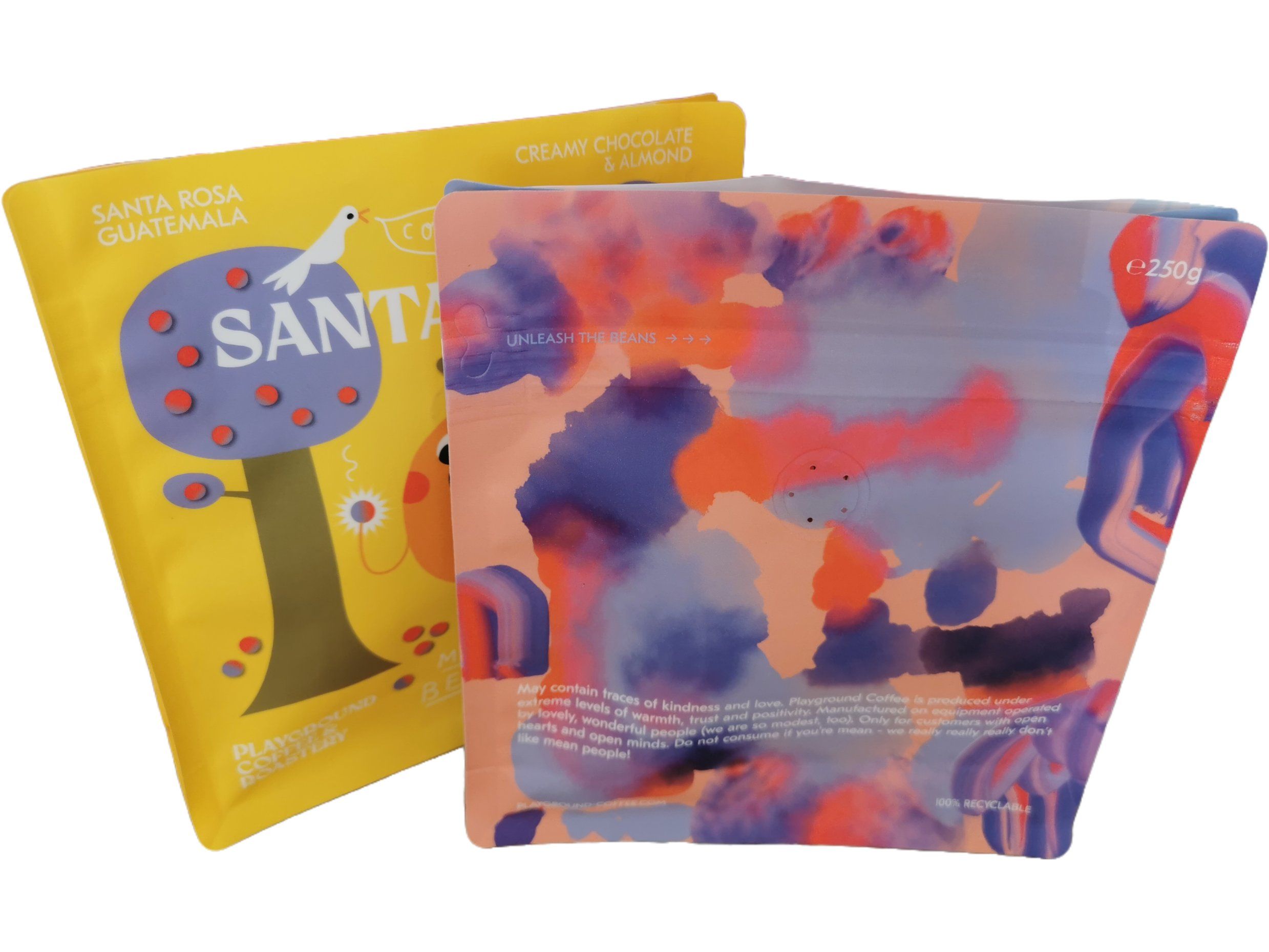
Liquid and semi-liquid foods (e.g., soups, sauces, nut butters, honey) present unique challenges for zip pouches, requiring extreme durability and leak-proofing. They target home cooks and food service businesses who prioritize easy pouring and storage. The key customization features for these zip pouches include: Heavy-Duty Laminates: PET/PA/PE or PET/EVOH/PA/PE structures that resist punctures and tears. Jif peanut butter pouches use a PET/PA/PE structure with a slider zipper, withstanding the weight of the thick peanut butter without leaking.Spout Closures: Attached to the zipper for easy pouring, reducing mess. Campbell’s Soup at Hand pouches have a spout integrated with the slider zipper, allowing consumers to pour the soup directly into a mug with minimal spillage.Reinforced Seams: Double-sealed edges that prevent leakage along the pouch’s sides. Hershey’s chocolate syrup pouches use reinforced seams, with 99% of consumers reporting no leakage when stored in refrigerators.Transparent Materials: Clear PET that allows consumers to see the product’s color and consistency. Nutella’s squeeze pouches use clear PET with a slider zipper, showcasing the creamy chocolate spread.Case Study: Jif Peanut Butter Zip Pouches Jif, a leading peanut butter brand, introduced zip pouches for its “On-the-Go” line, targeting parents and children who need portable peanut butter for lunches. The pouch uses a thick PET/PA/PE structure with a leak-proof slider zipper and a reinforced bottom gusset. The front features colorful graphics of cartoon characters, appealing to children, while the back includes a “No Mess” guarantee. The pouch is also squeezable, making it easy for kids to dispense the peanut butter onto crackers or bread. Since launching, the On-the-Go line has captured 25% of the portable peanut butter market, with 92% of parents citing the leak-proof zipper as a key reason for purchase.
2.2 Consumer-Centric Customization: Scenarios and Brand Identity
Beyond format, food zip plastic pouches must be tailored to specific consumer scenarios and brand identities. A pouch designed for a busy parent will differ from one for a health-conscious athlete, just as a premium organic brand will have a different aesthetic than a budget-friendly one. Customization in this area drives consumer loyalty and market differentiation.
2.2.1 Family-Focused Packaging: Size, Convenience, and Value
Family-focused food products (e.g., bulk cereals, frozen vegetables, snack mixes) target households with children, prioritizing large sizes, easy storage, and value. Zip pouches for families are customized with:Large Capacities: 500g-2kg sizes that reduce the frequency of repurchases. General Mills’ Cheerios cereal pouches are 1kg with a slider zipper, enough to feed a family of four for 2-3 weeks.Stackable Design: Flat tops and bottoms that allow pouches to be stacked in pantries, saving space. Birds Eye’s frozen vegetable pouches have a stackable design, with 86% of parents reporting they save 20% of pantry space compared to rigid containers.Kid-Friendly Features: Easy-to-use zippers and colorful graphics. Goldfish cracker pouches have a large slider zipper that children as young as 4 can open independently, reducing parental assistance by 60%.Value Messaging: Labels highlighting “Bulk Savings” or “Family Size” to appeal to budget-conscious parents. Walmart’s Great Value snack mix pouches feature a bold “Family Size – $2.99” label, driving impulse purchases.Case Study: General Mills Cheerios Family-Size Zip Pouches General Mills redesigned its Cheerios cereal packaging from a cardboard box to a 1kg zip pouch, targeting families seeking convenience and value. The pouch uses a PET/PE structure with a large slider zipper for easy opening and closing, and a stackable design for pantry storage. The front features the iconic Cheerios logo and a “Family Size” label, while the back includes a “Kids’ Activity” section with coloring pages to engage children. Since launching the zip pouch, Cheerios has seen a 15% increase in family purchases, with 83% of parents reporting they prefer the pouch over the traditional box.\
2.2.2 Health-Conscious Consumers: Transparency and Sustainability
Health-conscious consumers (e.g., organic shoppers, fitness enthusiasts, those with dietary restrictions) prioritize transparency (e.g., ingredient lists, certifications) and sustainability in packaging. Zip pouches for this segment are customized with: Clear Windows: To showcase the product’s natural appearance (e.g., organic grains, fresh fruits). Annie’s Homegrown organic pasta sauce pouches have a clear window, allowing consumers to see the chunky tomatoes and herbs.Certification Labels: “Organic,” “Non-GMO,” “Gluten-Free,” or “Vegan” labels printed prominently on the front. Beyond Meat’s plant-based burger pattie pouches feature a large “Non-GMO” certification and a QR code linking to the ingredient list.Sustainable Materials: Recyclable or compostable plastics (e.g., PLA, recycled PE) to reduce environmental impact. Amy’s Kitchen’s organic soup pouches use 50% post-consumer recycled (PCR) PE and are labeled “Recyclable Where Facilities Exist.”Minimalist Design: Clean, white or earth-tone graphics that convey “natural” and “healthy.” Chobani’s Greek yogurt pouches use a minimalist design with a white background and green accents, appealing to health-conscious millennials.Case Study: Amy’s Kitchen Organic Soup Zip Pouches Amy’s Kitchen, a leader in organic frozen foods, launched its soup line in zip pouches made from 50% PCR PE. The pouch uses a PET/EVOH/PCR PE structure with a leak-proof slider zipper, achieving FDA compliance and a shelf life of 12 months. The front features a clear window, a large “USDA Organic” label, and a minimalist design with earth-tone colors. The back includes a “How to Recycle” guide and a QR code linking to the brand’s sustainability report. Since launching the sustainable zip pouch, Amy’s Kitchen has seen a 28% increase in sales to health-conscious consumers, with 79% citing the eco-friendly packaging as a key purchase factor.
2.2.3 Premium and Gourmet Foods: Luxury and Storytelling
Premium and gourmet foods (e.g., artisanal chocolates, specialty cheeses, imported spices) target consumers willing to pay more for high-quality, unique products. Zip pouches for this segment convey luxury, authenticity, and brand story through customization: Premium Materials: Matte PET, metallic foils, or embossed plastics that feel luxurious to the touch. Godiva’s gourmet chocolate pouches use a matte PET/Al/PE structure with a gold-embossed slider zipper, conveying elegance and sophistication.Storytelling: Details about the product’s origin, production process, or maker printed on the pouch. La Brea Bakery’s artisanal breadcrumb pouches include a story about the bakery’s history and a photo of the master baker.Limited-Edition Design: For seasonal or rare products, creating exclusivity. Williams Sonoma’s holiday spice blend pouches use a red-and-green foil design with a numbered label, limiting production to 50,000 units.Gift-Ready Features: Ribbons, tags, or reusable designs that make the pouch suitable for gifting. Dean & Deluca’s specialty coffee pouches come with a satin ribbon attached to the zipper, eliminating the need for additional wrapping.Case Study: Godiva Gourmet Chocolate Zip Pouches Godiva, a luxury chocolate brand, introduced zip pouches for its “Gourmet Collection” line, replacing traditional boxes to reduce waste and improve convenience. The pouch uses a matte PET/Al/PE structure with a gold-embossed slider zipper and a soft-touch finish. The front features the Godiva logo and a “Gourmet Collection” label, while the back includes a story about the chocolate’s Belgian origin and a list of tasting notes. The pouch is also reusable, with consumers repurposing it for jewelry storage or small gifts. Since launching the zip pouch, Godiva’s Gourmet Collection has seen a 22% increase in sales, with 88% of consumers reporting the packaging “enhances the luxury experience.”
