




You opened a bag of ground coffee last week—or maybe last month—and now you're wondering whether it's still good. The answer depends less on a printed date and more on the packaging itself. Coffee bags, vacuum-sealed pouches, and aluminum foil packaging each protect freshness in distinct ways, and understanding those differences can save you from a flat, stale cup every morning.
This guide breaks down exactly how long ground coffee lasts across different bag types, and what you can do to extend that freshness as long as possible.
Coffee Bags: Shelf Life and Freshness Basics
Standard coffee bags—the kind you find on most grocery shelves—are typically made from multi-layer laminated film. Most include a one-way degassing valve, which lets carbon dioxide escape after roasting without allowing oxygen in. This feature alone significantly extends shelf life compared to a simple paper bag.
An unopened standard coffee bag with a degassing valve can keep ground coffee fresh for 6 to 12 months at room temperature. Once opened, that window narrows sharply to 1 to 2 weeks for peak flavor, and up to 4 weeks before the coffee becomes noticeably stale.
The primary enemies of ground coffee are:
Oxygen — triggers oxidation, dulling flavor and aroma
Moisture — promotes mold and accelerates staling
Light — degrades aromatic compounds over time
Heat — speeds up all of the above
A quality resealable coffee bag addresses most of these threats. Zipper-lock closures and heat-seal finishes create a tighter barrier between your grounds and the surrounding environment. Still, once air enters the bag, the clock starts ticking.
Vacuum Packed Coffee: Extended Freshness Through Pressure
Vacuum packed coffee removes nearly all oxygen from the bag before sealing it. Without oxygen, oxidation slows dramatically—and so does the rate of flavor loss.
Unopened vacuum-packed ground coffee can remain fresh for 12 to 24 months from the roast date when stored in a cool, dark place. That's a significant difference from a standard bag. Some commercial vacuum packs push this even further, offering a 2-year shelf life with no refrigeration required.
The trade-off is that vacuum packs are rigid at first—they don't accommodate the CO₂ that freshly roasted coffee naturally releases. For this reason, roasters typically wait several days after roasting before vacuum-sealing, allowing off-gassing to occur naturally. This means vacuum-packed coffee is usually not as "just roasted" as coffee in a valve bag, but it's an excellent option for bulk purchasing or long-term storage.
Once opened, vacuum-packed ground coffee should be treated like any other opened bag: seal it tightly, store it away from light and heat, and use it within 1 to 2 weeks.
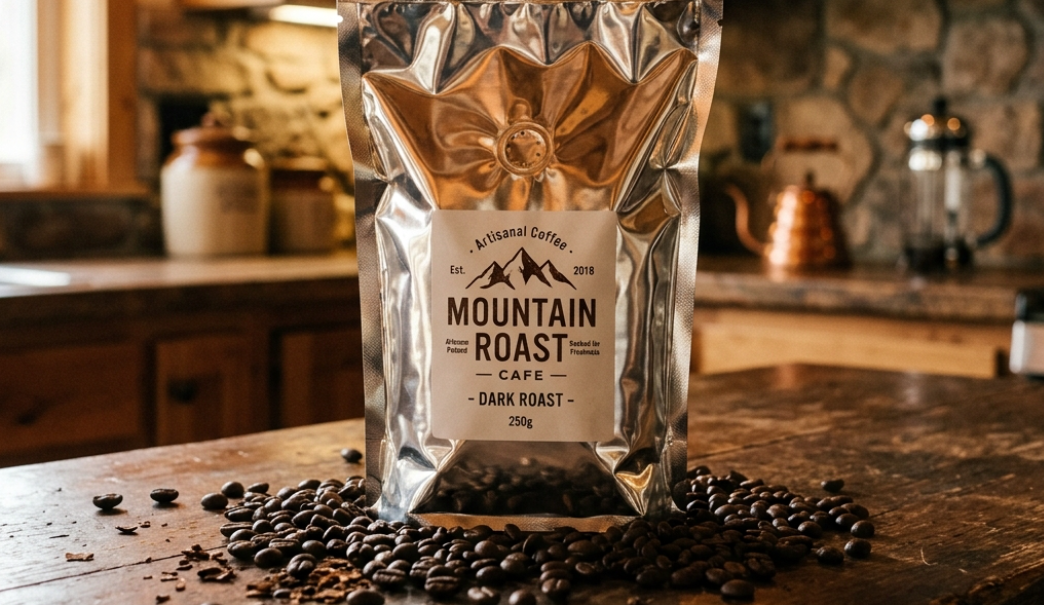
Aluminum Coffee Bags: Premium Protection for Maximum Shelf Life
Aluminum foil bags offer the strongest barrier against all four freshness enemies—oxygen, moisture, light, and heat. Maixin Packaging, a specialist in food-grade flexible packaging, produces aluminum foil coffee bags using multi-layer laminate structures that combine aluminum with PET or PE inner liners for both structural integrity and food safety.
The aluminum layer reflects light entirely and provides an exceptionally low oxygen transmission rate (OTR), keeping the internal environment stable for far longer than kraft paper or standard plastic film bags.
Sealed aluminum coffee bags can preserve ground coffee for 18 to 24 months, and in some cases longer, depending on storage conditions. Many specialty roasters and commercial coffee brands rely on aluminum packaging for export products precisely because of this extended protection during long transit and storage periods.
Aluminum bags are also commonly used in combination with vacuum sealing or nitrogen flushing—a process that replaces residual oxygen with inert nitrogen gas before sealing—pushing shelf life to its absolute maximum.
Ground Coffee Shelf Life Comparison Table
Bag Type | Unopened Shelf Life | After Opening | Key Benefit |
|---|---|---|---|
Standard coffee bag (with valve) | 6–12 months | 1–4 weeks | Good balance of cost and freshness |
Vacuum packed coffee bag | 12–24 months | 1–2 weeks | Long shelf life without refrigeration |
Aluminum foil coffee bag | 18–24+ months | 1–2 weeks | Maximum barrier against all freshness threats |
Kraft paper bag (no valve) | 1–3 months | 1 week | Low cost; minimal protection |
Storage Tips That Apply to All Bag Types
Even the best coffee bag can't compensate for poor storage habits. Once a bag is opened—or if it's stored incorrectly—freshness declines faster than most people expect.
Keep it airtight. Squeeze out as much air as possible before resealing. If your bag doesn't reseal well, transfer the grounds to an airtight glass or stainless steel container.
Avoid the fridge. Refrigerators introduce condensation every time you open the door. Moisture is damaging to ground coffee, and temperature fluctuations accelerate staling.
Store in a cool, dark cupboard. A pantry shelf away from the stove or kettle is ideal. Direct heat exposure shortens shelf life even when the bag is sealed.
Don't freeze unless necessary. Freezing is only worthwhile for long-term storage of unopened coffee. If you freeze, do it once—thawing and refreezing degrades quality quickly.
Conclusion: Packaging Is the Key to Coffee Freshness
The type of bag your ground coffee comes in is one of the most important factors in determining how long it stays fresh. Standard valve bags offer solid short-term protection. Vacuum packs extend shelf life significantly for retail and export needs. Aluminum foil bags provide the most complete barrier, making them the preferred choice for premium, specialty, or commercially distributed coffee.
For coffee brands and roasters looking to match packaging to product shelf-life goals, Maixin Packaging manufactures customizable aluminum foil coffee bags, vacuum pouches, and multi-layer laminate solutions built to preserve flavor from production to the final cup.
Frequently Asked Questions
Does the type of coffee bag affect taste?
Yes. Bags with poor oxygen barriers allow oxidation, which flattens flavor and reduces aroma. Aluminum foil bags and vacuum-packed pouches preserve more volatile aromatic compounds, resulting in a noticeably better-tasting cup even after months of storage.
Is it safe to drink ground coffee past its best-by date?
Expired ground coffee is generally safe to drink—it won't make you sick—but the flavor will be noticeably dull or stale. The best-by date reflects peak flavor, not food safety.
Does ground coffee last longer than whole bean coffee?
No. Ground coffee has more surface area exposed to oxygen, so it stales faster than whole bean coffee stored under the same conditions. Whole beans in a sealed valve bag can maintain peak freshness for longer.
Are aluminum coffee bags recyclable?
Recyclability depends on local facilities. Multi-layer aluminum laminate bags are not always accepted in standard curbside recycling, but some specialty recycling programs accept them. Single-material aluminum pouches are more widely recyclable.
Can you store opened ground coffee in its original bag?
You can, provided the bag reseals tightly. If the seal is weak, transfer the coffee to an airtight container and store it in a cool, dark place for best results.
Quick summary: Ground coffee in a standard valve bag lasts 6–12 months unopened. Vacuum-packed coffee lasts 12–24 months. Aluminum foil bags offer the longest protection at 18–24+ months. Once opened, all types should be used within 1–2 weeks for best flavor.
