




In an era where sustainability and functionality are paramount in packaging, kraft paper bags have emerged as a timeless and versatile choice. Made from unbleached wood pulp, these bags boast a distinctive brown hue, rugged texture, and eco-friendly credentials that set them apart from plastic or bleached paper alternatives. From retail stores to food outlets, and even personal use, kraft paper bags have transcended traditional packaging roles to become a symbol of environmental consciousness and practicality. This article explores their key characteristics, diverse applications, environmental benefits, and tips for choosing the right one.
1. What Are Kraft Paper Bags? Key Characteristics
Kraft paper bags are defined by their raw material and production process, which retain the natural properties of wood pulp. Unlike bleached paper bags that undergo chemical treatment to achieve a white color, kraft paper is processed with minimal chemicals, preserving its strength and natural appearance.
Key Characteristic | Description |
Material Composition | Made from unbleached softwood or hardwood pulp, often with recycled content. |
Strength & Durability | High tensile strength due to the retention of lignin (a natural polymer in wood), making them resistant to tearing and capable of carrying heavy loads. |
Biodegradability | Breaks down naturally in soil or compost within months, leaving no toxic residues. |
Customizability | Can be printed, stamped, or decorated with eco-friendly inks; available in various sizes, shapes (flat, gusseted, with handles), and thicknesses. |
Breathability | Allows air circulation, making them ideal for storing items like bread, produce, or dry goods that require ventilation to prevent moisture buildup. |

2. Versatile Applications of Kraft Paper Bags
Kraft paper bags are celebrated for their adaptability across numerous industries and use cases. Their combination of strength, sustainability, and aesthetic appeal makes them a go-to option for both businesses and consumers.
Retail & Shopping
Retailers worldwide favor kraft paper bags for their rustic charm and brand-building potential. Clothing stores, bookshops, boutiques, and gift shops often use them as branded packaging—adding logos, slogans, or unique designs to enhance customer experience. The sturdy construction ensures they can carry clothing, books, accessories, and small home goods without tearing.
Food & Beverage
In the food industry, kraft paper bags are a popular choice for their food-safe and breathable properties. They are commonly used for packaging bakery items (bread, pastries, cookies), fast food (sandwiches, fries), coffee beans, tea leaves, and fresh produce (fruits, vegetables). Many cafes and delis opt for kraft paper bags with handles for takeaway orders, as they are lightweight yet durable enough to hold hot or cold items.
Industrial & Storage
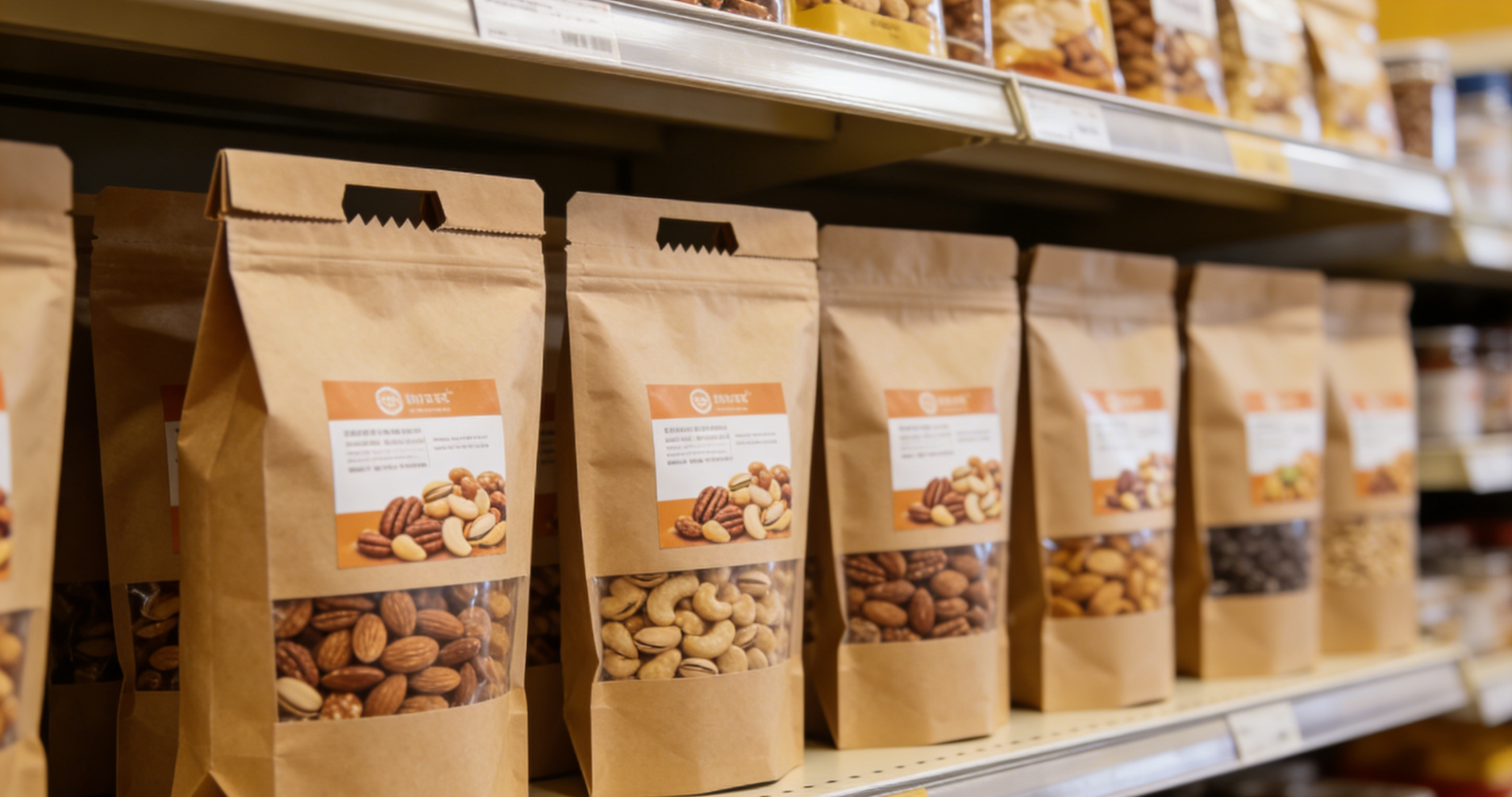
Beyond retail and food, kraft paper bags serve practical purposes in industrial settings. They are used for packaging bulk items like grains, flour, sugar, nuts, and animal feed, thanks to their ability to withstand heavy weights and prevent contamination. Additionally, they are ideal for storing tools, hardware, or small parts, as their breathability prevents rust or moisture damage.
Personal & Gifting
Consumers often use kraft paper bags for personal use, such as grocery shopping, picnics, or organizing household items. Their natural, minimalist design also makes them a popular choice for gift wrapping—paired with ribbons, twine, or dried flowers, they create a charming, eco-friendly gift bag that aligns with sustainable gifting trends.
3. Environmental Benefits: Why Kraft Paper Bags Are a Greener Choice
One of the most compelling reasons to choose kraft paper bags is their positive environmental impact, especially when compared to single-use plastic bags.
Reduced Carbon Footprint
The production of kraft paper requires less energy than plastic or bleached paper. Since it avoids the bleaching process (which uses harmful chemicals like chlorine), it emits fewer greenhouse gases and reduces water pollution. Additionally, many kraft paper bags are made from recycled paper, further minimizing the demand for virgin wood pulp.
Biodegradable & Compostable
Unlike plastic bags that can take centuries to decompose (and often end up in oceans or landfills), kraft paper bags are fully biodegradable and compostable. When disposed of properly, they break down into organic matter, enriching soil rather than causing environmental harm.
Recyclable & Reusable
Kraft paper bags are highly recyclable—they can be processed into new paper products multiple times without losing quality. Moreover, their durability allows for repeated use: consumers can reuse them for shopping, storage, or crafts, reducing the need for single-use packaging altogether.
4. Tips for Choosing the Right Kraft Paper Bag
With a wide range of kraft paper bags available, selecting the right one depends on your specific needs. Here are some key factors to consider:
Thickness & Weight Capacity: Choose a bag with the appropriate thickness (measured in grams per square meter, or gsm) for your intended use. For light items like snacks or small gifts, a 80-100 gsm bag is sufficient; for heavier items like books or groceries, opt for 120-150 gsm or higher.
Size & Shape: Consider the dimensions of the items you’ll be carrying. Gusseted bags (with expandable sides) offer more space for bulky items, while flat bags are ideal for thin or flat products. Bags with handles provide added convenience for carrying.
Recycled Content: If sustainability is a top priority, look for bags made from 100% recycled kraft paper. This reduces deforestation and supports the circular economy.
Customization Options: For businesses, choose a supplier that offers custom printing or branding to align the bag with your brand identity. Ensure the inks used are eco-friendly (soy-based or water-based) to maintain the bag’s sustainability.
Conclusion
Kraft paper bags are more than just a packaging solution—they are a testament to how functionality and environmental responsibility can coexist. With their strength, versatility, and eco-friendly properties, they have become a preferred choice for businesses and consumers alike, replacing harmful plastic bags and bleached paper alternatives. Whether used for retail, food, storage, or gifting, kraft paper bags offer a sustainable, practical, and aesthetically pleasing option that benefits both people and the planet. As the demand for sustainable packaging continues to grow, kraft paper bags will undoubtedly remain a staple in the global packaging landscape, proving that going green doesn’t have to mean compromising on quality or convenience.
