




Coffee is one of the most consumed beverages on the planet. The global coffee market generates billions of bags each year, and most of them end up in landfill. That's a significant waste problem—one that more consumers, roasters, and packaging manufacturers are starting to take seriously.
So can coffee bags actually be recycled? The short answer is: it depends. The material construction of the bag, your local recycling infrastructure, and the type of seal all play a major role. This guide breaks down everything you need to know about coffee bag materials, what makes vacuum packed coffee bags so tricky to recycle, and what smarter packaging choices look like going forward.
What Are Coffee Bags Actually Made Of?
Standard coffee bags are not simple, single-material products. Most are made from multiple layers bonded together to protect the coffee from oxygen, moisture, light, and odor. This multi-layer construction is what makes the coffee last longer on the shelf—but it's also what makes recycling so complicated.
Common materials include:
Polyethylene (PE) — a flexible plastic used for the outer or inner layer
Aluminum foil — provides an oxygen and moisture barrier
Kraft paper — often used as the outer layer for aesthetics and rigidity
Bioplastics — increasingly used as an eco-friendlier alternative, though not universally compostable
The combination of these layers is the core challenge. Most curbside recycling programs are designed to handle single-material streams. A bag that fuses aluminum foil with plastic film requires industrial separation processes that most municipal facilities simply don't have.
Which Coffee Bag Materials Are Recyclable?
Bag Material | Recyclable via Curbside? | Alternative Disposal |
|---|---|---|
Pure kraft paper | Yes (check locally) | Compostable |
PE plastic film only | Soft plastic drop-off points | Some supermarket collections |
Aluminum foil layer | No | Specialized recyclers |
Multi-layer laminate | No | Brand take-back programs |
Bioplastic (PLA) | No (industrial composting only) | Industrial compost facility |
As this table shows, the recyclability of a coffee bag is rarely a yes-or-no answer. Kraft paper bags without a foil lining have the best chance of being recycled or composted. Multi-layer laminates—the most common type—almost always end up in general waste unless a specific program exists.
Vacuum Packed Coffee Bags: Why They're Harder to Recycle
Vacuum packed coffee is a preservation method where air is removed from the bag before sealing, dramatically extending shelf life. Most commercial ground coffee you see on supermarket shelves uses this format. The result is a dense, flat brick of coffee sealed in a high-barrier bag.
The packaging needed to achieve this level of protection is inherently complex. A vacuum packed coffee bag typically uses at least three layers: an outer printed film, a middle barrier layer (often aluminum or metalized film), and an inner heat-seal layer. These layers are laminated together under pressure, forming a bond that cannot be separated through conventional recycling sorting.
This means that when you toss a vacuum packed coffee bag into a recycling bin, it almost certainly contaminates the recycling stream rather than contributing to it. Most recycling facilities will send it straight to general waste.
Some roasters have begun partnering with take-back schemes or using certified compostable packaging specifically to address this problem. Maixin Packaging , a custom food packaging manufacturer based in Zhongshan, China, produces a range of coffee bags—including vacuum bags—with customizable material combinations, giving brands the ability to choose construction that aligns with their sustainability goals.
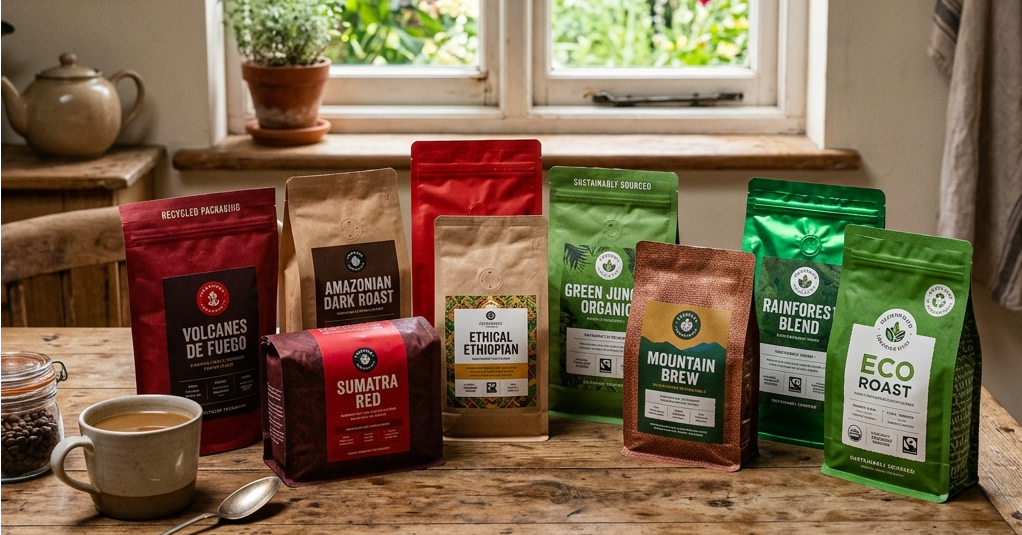
Vacuum Seal Coffee Bags: Recyclability and Sustainable Alternatives
Vacuum seal coffee bags differ slightly from standard vacuum packed bags—they rely on a resealable valve or zipper system that allows consumers to push out air and reseal the bag after opening. These are popular for whole bean coffee and premium roasts.
From a recycling standpoint, vacuum seal bags face the same challenges as vacuum packed formats, plus an additional one: the one-way degassing valve. This small plastic valve allows CO₂ released by fresh coffee to escape without letting oxygen in. It is almost always made from a different plastic than the bag itself and must be removed before any recycling attempt can be made—a step most consumers don't know about or simply skip.
What Are the Practical Options for Recycling or Disposing of Coffee Bags?
Check for soft plastic collection points — Some supermarkets and retail chains accept flexible plastic packaging for specialist recycling.
Look for brand take-back programs — A growing number of specialty coffee brands now offer prepaid return envelopes or in-store drop-off for used bags.
Choose kraft paper bags when possible — If your coffee brand offers a kraft paper format without foil lining, this is the easiest to recycle or compost.
Remove the valve — If your local soft plastic collection accepts the bag's film layer, remove the valve first and dispose of it separately.
Check Terracycle programs — TerraCycle offers specialty recycling for hard-to-recycle packaging, including some coffee bag formats, through its zero waste boxes.
Packaging manufacturers are also responding to growing demand for recyclable formats. Maixin Packaging specializes in customized food pouches and bags—including coffee bags and vacuum bags—and works with clients to develop packaging that meets both protective performance and environmental requirements. Their catalog includes options across kraft paper, aluminum foil, and laminated formats.
What Makes a Coffee Bag Truly Sustainable?
Sustainability in coffee packaging goes beyond recyclability alone. A few key factors determine the real environmental footprint of a bag:
Material sourcing — Is the paper FSC certified? Is the plastic recycled content?
Barrier performance — A bag that keeps coffee fresh longer reduces food waste, which has its own environmental cost.
End-of-life pathway — Can the bag be recycled, composted, or returned through a take-back scheme?
Transport efficiency — Flexible bags use significantly less material and space than rigid containers.
Brands that take all of these factors into account—rather than just switching to a bag labeled "eco-friendly"—tend to make the most meaningful reductions in packaging waste.
Frequently Asked Questions
Are any coffee bags recyclable through standard curbside recycling?
Most coffee bags are not recyclable through standard curbside programs due to their multi-layer construction. Pure kraft paper bags without foil or plastic lamination are the exception and can typically be recycled or composted through standard paper recycling.
What should I do with vacuum packed coffee bags after use?
Check whether your local area has soft plastic collection points, such as supermarket drop-off bins. If the bag includes a degassing valve, remove it before recycling. If no local option exists, look for brand-run take-back programs or third-party recycling schemes like TerraCycle.
Are compostable coffee bags actually compostable at home?
Most compostable coffee bags are certified for industrial composting only, meaning they require high-heat commercial composting facilities to break down properly. Home compost bins generally do not reach the temperatures needed. Always check the certification on the packaging before composting at home.
Do degassing valves need to be removed before recycling?
Yes. Degassing valves are typically made from a different plastic than the bag body and must be removed before any recycling attempt. Leaving them attached can cause the entire bag to be rejected by recycling facilities.
What coffee bag type is the easiest to recycle?
Kraft paper coffee bags without a foil or plastic lining are the easiest to recycle. They can often be processed through standard paper recycling streams or composted. However, they offer less protection than multi-layer bags and are typically suited for shorter shelf-life products.
The Bottom Line on Coffee Bag Recycling
Most coffee bags—particularly vacuum packed and vacuum seal formats—are not recyclable through standard curbside programs. Their multi-layer construction, designed to protect flavor and freshness, creates an end-of-life challenge that requires either specialized programs or redesigned packaging to solve.
The good news is that options are expanding. Take-back programs, soft plastic collection points, and manufacturers like Maixin Packaging offering customizable, sustainability-conscious coffee bag formats are all shifting what's possible. For consumers, the most effective step is to check the specific material of your coffee bag, remove any valves before disposal, and seek out specialist recycling channels where available. For brands, working with packaging partners who understand material science and sustainability is the most direct route to reducing packaging waste at scale.
Quick answer: Most coffee bags cannot be recycled through standard curbside programs because they combine multiple materials—plastic, foil, and sometimes paper—that are difficult to separate. Recyclability depends on the bag's material composition. Vacuum sealed and multi-layer bags are the hardest to recycle, though some specialized programs and brands now offer take-back options.
