




Keeping food fresh for longer is one of the most persistent challenges in both home kitchens and large-scale food production. Oxygen is the enemy. Once it gets into your packaging, it triggers oxidation, accelerates bacterial growth, and shortens shelf life significantly. Vacuum bags solve this problem by removing air entirely, creating a sealed environment that dramatically slows down spoilage.
But vacuum bags aren't just for food. Their applications span retail, pharmaceuticals, electronics, and even clothing storage. Understanding what vacuum bags are used for—and how to choose the right type—can help businesses reduce waste, lower costs, and deliver better products to consumers.
This article covers everything you need to know about vacuum bags, vacuum packages, and food bags packaging, with practical guidance for manufacturers, retailers, and anyone sourcing custom packaging solutions.
Vacuum Bags: The Basics of How They Work
A vacuum bag is a specialized pouch designed to have the air inside it removed before sealing. This process—called vacuum sealing—creates an oxygen-free environment around the contents. Without oxygen, aerobic bacteria cannot grow, and the rate of oxidation slows dramatically.
Most vacuum bags are made from multi-layer laminate films, typically combining polyethylene (PE), nylon, or aluminum foil layers. Each layer serves a specific purpose: barrier protection against moisture and oxygen, structural strength to resist punctures, and heat-sealability to allow airtight closure.
The result is a package that can extend the shelf life of perishable goods by two to five times compared to conventional packaging—sometimes even longer under refrigeration or freezing.
What Are Vacuum Bags Used For?
Vacuum bags serve a remarkably broad range of purposes. Here are the three primary application categories covered in this guide:
1. Food Storage and Preservation
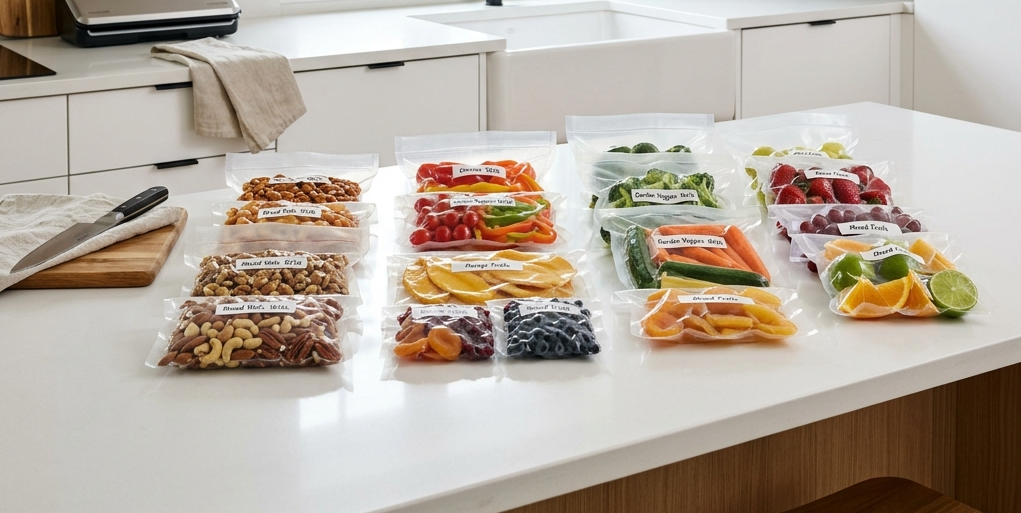
Food is the most common application for vacuum bags. By eliminating oxygen contact, vacuum bags keep meat, fish, cheese, nuts, coffee, vegetables, and dry goods fresher for far longer than standard packaging. Butchers, seafood processors, deli counters, and specialty food producers all rely on vacuum packaging to maintain quality during transport and storage.
Key food categories that benefit from vacuum bag packaging include:
Meat and poultry – Extends refrigerated shelf life from a few days to several weeks
Fish and seafood – Prevents freezer burn and preserves texture
Cheese and dairy – Slows mold growth without compromising flavor
Coffee and nuts – Protects against moisture and oxidation
Dried goods and snacks – Maintains crispness and aroma
2. Vacuum Packages for Industrial and Commercial Use
Beyond food, vacuum packages are widely used in industrial settings. Electronics manufacturers use them to protect sensitive components from humidity. Pharmaceutical companies rely on vacuum packaging to maintain sterility and potency. Textile and apparel brands use vacuum bags to compress bulky items for efficient shipping and storage.
In these contexts, the priorities shift from freshness preservation to moisture resistance, static protection, and physical durability.
3. Retail Food Bags Packaging
Retail food bags packaging refers to vacuum-sealed pouches sold directly to consumers or used by food brands for retail shelf display. This category overlaps with food storage but focuses on presentation, branding, and consumer convenience. Stand-up vacuum pouches, resealable zip-lock vacuum bags, and printed retail pouches all fall into this category.
Retail vacuum bags must balance functional performance with visual appeal. That means high-barrier film construction on the inside and high-quality printing on the outside.
Types of Vacuum Bags and Their Key Features
Choosing the right vacuum bag depends on the contents, the storage conditions, and the end use. The table below summarizes the most common types:
Vacuum Bag Type | Primary Material | Best For | Key Feature |
|---|---|---|---|
Nylon/PE Laminate Bag | Nylon + Polyethylene | Meat, seafood, cheese | High puncture resistance |
Aluminum Foil Vacuum Bag | Aluminum + PE | Coffee, nuts, dry goods | Superior oxygen & light barrier |
Stand-Up Vacuum Pouch | Multi-layer laminate | Retail food packaging | Shelf display + vacuum seal |
Zip-Lock Vacuum Bag | PE with zipper | Consumer food storage | Resealable convenience |
Printed Retail Vacuum Bag | Custom laminate | Branded food products | Custom print + barrier |
Heavy-Duty Industrial Bag | Thick PE/Nylon | Non-food, industrial goods | Maximum strength & durability |
Each type can be customized by size, thickness, print design, and sealing method—making vacuum bags a highly adaptable packaging format.
How to Select the Right Food Bags Packaging for Your Product
Selecting food bags packaging requires matching the bag's technical properties to your product's specific needs. Ask these four questions before specifying a vacuum bag:
What is the barrier requirement?
Products sensitive to oxygen (like coffee or cured meats) need bags with high oxygen transmission rate (OTR) resistance. Aluminum foil laminates offer the strongest barrier; PE-only films offer the least.
What are the storage and transport conditions?
Bags used for frozen products must withstand low temperatures without cracking or delaminating. Bags shipped in humid climates need strong moisture barriers.
Does the product need retail display?
Stand-up pouches and printed vacuum bags serve a dual function—protection and promotion. For retail shelf placement, choose bags that support custom branding and upright display.
What is the fill method?
Some vacuum bags are filled manually with a tabletop sealer; others are designed for high-speed automated filling lines. The bag's dimensions, film thickness, and seal strength must be compatible with the filling equipment.
Vacuum Packages in the Food Industry: Practical Considerations
Vacuum packages have become standard practice across the food supply chain—from processing plants to supermarket shelves. Several practical factors drive their widespread adoption.
Reduced food waste is one of the most significant benefits. Extended shelf life means fewer products are discarded before reaching the consumer. For businesses, this translates directly into lower waste disposal costs and better inventory utilization.
Improved food safety is another key driver. Vacuum packaging reduces the risk of contamination from airborne pathogens and prevents cross-contamination during transport. This is particularly important for ready-to-eat products and high-risk proteins like raw meat and fish.
Logistics efficiency also improves with vacuum packaging. Compressed vacuum packs take up less space than loosely packaged goods, allowing more units per pallet and reducing shipping volume.
Maixin Packaging, a custom food packaging bags manufacturer based in Zhongshan, China, produces vacuum bags alongside a full range of food packaging solutions including stand-up pouches, aluminum foil pouches, and roll films. With a production facility exceeding 15,000 square meters and a team of 168 skilled technicians, Maixin Packaging supplies custom vacuum bag solutions to food producers and retailers globally.
Frequently Asked Questions
What are vacuum bags most commonly used for?
Vacuum bags are most commonly used for food preservation—particularly meat, seafood, cheese, coffee, and dry goods. Removing oxygen from the sealed bag slows bacterial growth and oxidation, significantly extending shelf life. They are also used in industrial, pharmaceutical, and textile applications.
How long do vacuum-sealed food bags keep food fresh?
Vacuum-sealed food bags can extend the shelf life of refrigerated meat and fish by two to five times compared to standard packaging. Under freezing conditions, vacuum-packed products can last several months to over a year without significant quality loss.
What materials are vacuum bags made from?
Most vacuum bags are made from multi-layer laminate films combining materials such as polyethylene (PE), nylon, and aluminum foil. Each layer contributes specific properties—strength, barrier resistance, and heat-sealability—depending on the product's requirements.
What is the difference between vacuum packages and standard food bags packaging?
Standard food bags packaging uses a sealed pouch without removing air. Vacuum packages actively remove oxygen before sealing, creating an airtight environment. This difference makes vacuum packages far more effective at preserving freshness and preventing spoilage.
Can vacuum bags be customized for retail branding?
Yes. Printed retail vacuum bags can be custom-manufactured with branded graphics, specific dimensions, and chosen laminate materials. Manufacturers like Maixin Packaging offer fully customized vacuum bag solutions for food brands seeking both functional performance and shelf-ready presentation.
Are vacuum bags suitable for dry goods like coffee and nuts?
Vacuum bags are highly effective for dry goods. Aluminum foil vacuum bags, in particular, provide excellent protection against oxygen, moisture, and light—all of which degrade the flavor and freshness of coffee, nuts, and similar products.
Conclusion
Vacuum bags remain one of the most effective and widely used packaging formats across food production, retail, and industrial applications. Their ability to extend shelf life, protect against contamination, and reduce waste makes them a practical solution for a wide range of products—from fresh meat and specialty coffee to electronics and pharmaceuticals.
Choosing the right type of vacuum bag comes down to understanding your product's barrier needs, storage conditions, fill method, and display requirements. For food brands specifically, food bags packaging choices directly affect product quality, shelf appeal, and consumer trust.
In summary: Vacuum bags work by removing oxygen to slow spoilage and oxidation. They are used across food storage, commercial packaging, and retail applications. Types range from simple nylon/PE pouches to printed aluminum foil stand-up bags. Selecting the right format requires matching barrier properties, storage conditions, and presentation needs to the specific product being packaged. For custom vacuum bag sourcing, manufacturers like Maixin Packaging offer tailored solutions built to precise specifications.
TL;DR: Vacuum bags are airtight packaging solutions that remove oxygen to extend shelf life, prevent spoilage, and preserve freshness. Used across food storage, industrial applications, and retail packaging, vacuum bags come in multiple formats—from single-use food pouches to heavy-duty commercial bags—making them one of the most versatile packaging tools available today.
