




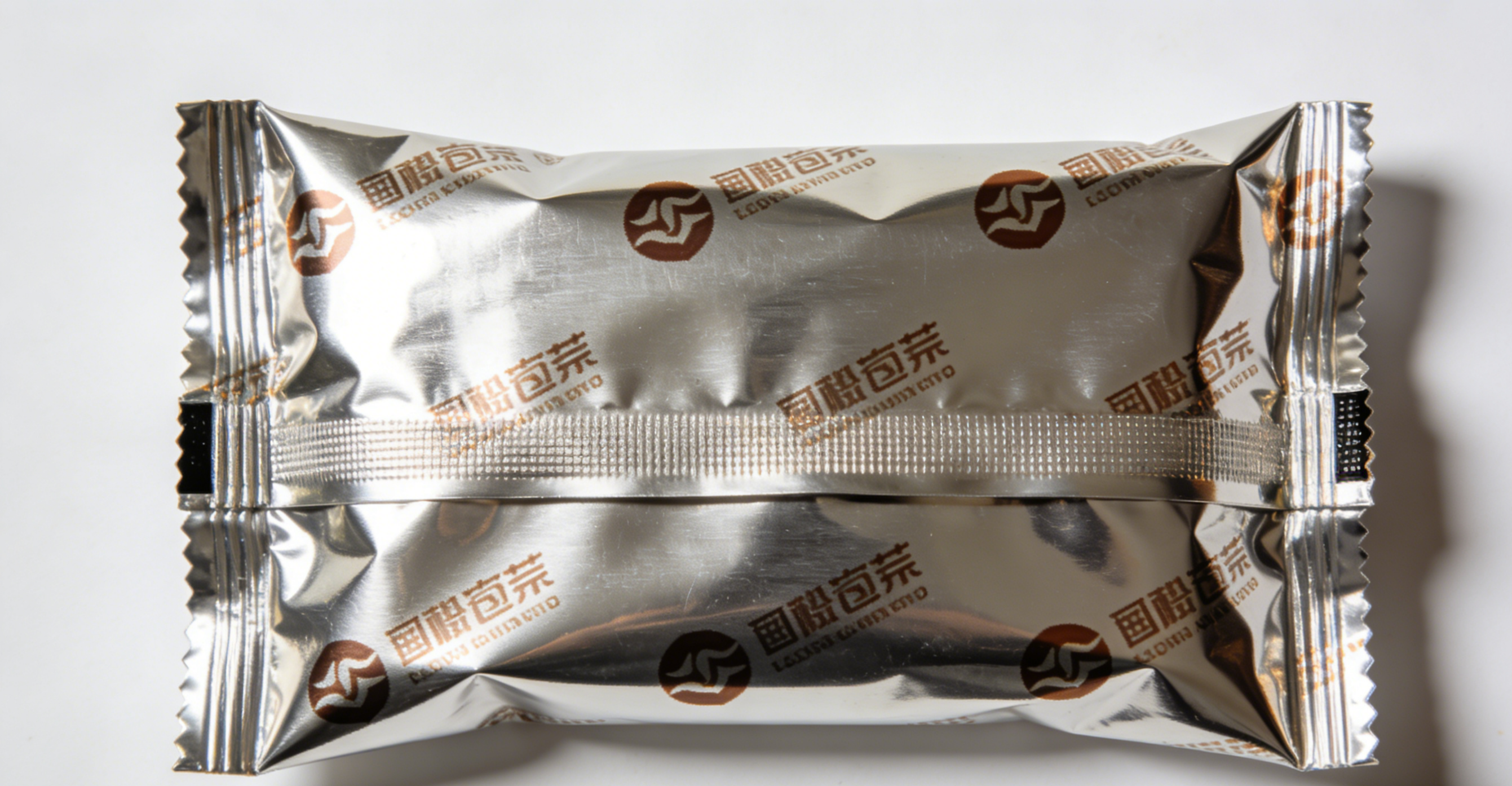
The aluminium laminated pouch has become a cornerstone of modern packaging, celebrated for its unique ability to balance protection, versatility, and practicality. At its core, this packaging solution relies on strategic material combinations to deliver targeted performance, making it suitable for a wide array of products across industries. Whether preserving the freshness of food, safeguarding sensitive electronics, or extending the shelf life of pharmaceuticals, the aluminium laminated pouch’s design is tailored to address specific packaging challenges. This article delves into the most common material structures, highlights key product applications, and outlines the standout advantages that make this pouch a preferred choice for manufacturers worldwide.
1. Common Material Combinations: Structured for Performance
Aluminium laminated pouches are defined by their multilayer construction, where each material contributes distinct properties—from barrier protection to sealability. The following table outlines the most widely used combinations, their components, and intended use cases:
Material Combination | Layer Breakdown (Outer → Inner) | Key Properties | Typical Applications |
PET/AL/PE | Polyester → Aluminium Foil → Polyethylene | Good mechanical strength, oxygen/moisture barrier, easy sealing | Snack foods, dried fruits, nuts, coffee |
PET/AL/PA/PE | Polyester → Aluminium Foil → Nylon → Polyethylene | Enhanced puncture resistance, strong barrier, durability | Industrial parts, chemicals, heavy-duty snacks |
BOPA/AL/CPP | Biaxially Oriented Polyamide → Aluminium Foil → Cast Polypropylene | High-temperature resistance (up to 125℃), excellent seal strength | Ready-to-eat meals, sterilized foods, pet food |
PET/AL/BOPA/PE | Polyester → Aluminium Foil → Biaxially Oriented Polyamide → Polyethylene | Superior tear resistance, barrier against oxygen and light | Pharmaceutical tablets/capsules, high-end cosmetics |
OPP/AL/PE | Oriented Polypropylene → Aluminium Foil → Polyethylene | Cost-effective, good printability, basic barrier protection | Budget-friendly snacks, powdered seasonings |
Design Rationale: The outer layer (e.g., PET, OPP) provides structural support and a smooth surface for printing, while the middle aluminium foil layer acts as the primary barrier against oxygen, moisture, light, and contaminants. The inner layer (e.g., PE, CPP) enables secure heat sealing, ensuring the pouch remains airtight.
Customization: For specialized needs, additional layers (e.g., nylon for puncture resistance) can be integrated to enhance performance, making the pouch adaptable to unique product requirements.

2. Product Applications: Versatility Across Sectors
The aluminium laminated pouch’s material flexibility and protective capabilities make it suitable for products ranging from everyday consumer goods to specialized industrial items. Below are its most prominent application areas:
2.1 Consumer Food Products
Snack Foods: Chips, cookies, and candies benefit from the pouch’s oxygen barrier, preventing staleness and maintaining crispness. Combinations like PET/AL/PE are widely used here for their balance of protection and cost-effectiveness.
Preserved & Processed Foods: Dried meats, jerky, and canned alternatives (e.g., ready-to-eat rice) rely on the pouch’s moisture resistance and heat-sealability. High-temperature-resistant combinations (BOPA/AL/CPP) are ideal for sterilized or retorted foods.
Beverage & Powdered Foods: Coffee, tea, powdered milk, and protein supplements use the pouch’s airtight seal to preserve flavor and prevent clumping, with PET/AL/PE being the standard choice for its barrier against aroma loss.
2.2 Pharmaceuticals & Healthcare
Medications: Tablets, capsules, and powdered drugs require a sterile, moisture-proof environment to maintain efficacy. Combinations like PET/AL/BOPA/PE meet pharmaceutical standards (e.g., ISO 11607) by blocking moisture and microbial contamination.
Medical Supplies: Disposable syringes, surgical dressings, and diagnostic tools are packaged in medical-grade aluminium laminated pouches to ensure sterility during storage and transport.
2.3 Electronics & Industrial Goods
Electronic Components: Circuit boards, sensors, and microchips are shielded from humidity and static electricity, preventing corrosion and performance issues. The PET/AL/PA/PE combination is preferred for its puncture resistance and moisture barrier.
Industrial Materials: Pigments, dyes, and small-batch chemicals are contained in chemical-resistant pouches (e.g., PET/AL/PA/PE) that prevent leakage and volatile evaporation.
2.4 Cosmetics & Personal Care
Skincare & Haircare: Serums, masks, and hair treatments with active ingredients (e.g., vitamin C, retinol) depend on the pouch’s light-blocking aluminium layer to prevent oxidation and preserve potency.
Travel & Single-Use Products: Miniature shampoos, conditioners, and facial wipes use lightweight, flexible pouches (e.g., OPP/AL/PE) for portability and convenience.
3. Core Advantages: Why Choose Aluminium Laminated Pouches?
The enduring popularity of aluminium laminated pouches stems from their ability to outperform traditional packaging (e.g., glass, metal, paper) in key areas, offering tangible benefits for both manufacturers and consumers:
3.1 Superior Protection
Barrier Excellence: The aluminium foil layer provides near-impermeable protection against oxygen, moisture, light, and contaminants—critical for products with long shelf life or sensitivity to environmental factors. This barrier can extend product freshness by 2–5 times compared to non-laminated packaging.
Sterility & Safety: Medical and food-grade variants are manufactured in cleanrooms, ensuring they meet strict hygiene standards (e.g., FDA, EU 10/2011) and prevent cross-contamination.
3.2 Practicality & Efficiency
Lightweight & Space-Saving: Weighing significantly less than rigid packaging, aluminium laminated pouches reduce transportation costs and require minimal storage space—saving up to 70% of warehouse volume compared to boxes or cans.
Flexible & Adaptable: Their malleable design conforms to product shapes, reducing material waste and enabling compact packaging for irregularly sized items. Add-ons like zippers, tear notches, or spouts enhance user convenience.
3.3 Cost-Effectiveness & Brand Appeal
Lower Total Cost: While initial material costs may be higher than basic packaging, the pouch’s protective properties reduce product spoilage and waste, leading to long-term savings. Its lightweight design also cuts shipping expenses.
Customizable Branding: The outer plastic layer supports high-quality, full-color printing, allowing manufacturers to showcase logos, product information, and eye-catching designs that enhance shelf presence and brand recognition.
3.4 Sustainability Benefits
Reduced Environmental Impact: Their lightweight construction lowers carbon emissions during transportation, and advancements in recycling technology (e.g., material separation processes) have made aluminium laminated pouches more eco-friendly than ever. Many are now recyclable in specialized facilities, reducing landfill waste.
Material Efficiency: The multilayer structure uses minimal material to achieve maximum protection, minimizing resource consumption compared to over-engineered rigid packaging.
Conclusion
Aluminium laminated pouches stand out as a versatile, high-performance packaging solution, driven by strategic material combinations, wide-ranging product applicability, and compelling advantages. By pairing the barrier strength of aluminium foil with the durability and sealability of plastics, these pouches deliver targeted protection for everything from snacks to pharmaceuticals. Their lightweight design, cost-effectiveness, and customizable branding further solidify their role in modern packaging, while ongoing innovations in sustainability continue to address environmental concerns. For manufacturers seeking a reliable, adaptable packaging option that balances protection, practicality, and consumer appeal, the aluminium laminated pouch remains an unrivaled choice—proven to enhance product quality, extend shelf life, and drive operational efficiency across industries.
