




You buy a bag of your favorite roast, tuck it in the pantry, and forget about it for a month. Sound familiar? The good news is that coffee rarely becomes unsafe to drink. The bad news: flavor doesn't wait around. Freshness fades fast once oxygen, moisture, light, and heat get involved—and the bag holding your coffee is the first line of defense against all four.
This guide covers everything you need to know about bagged coffee shelf life: the timelines to follow, the storage habits that extend freshness, and the role coffee packaging materials play in protecting flavor from roast date to the last cup.
How Long Is Bagged Coffee Good For?
The answer depends on three things: the form of the coffee (whole bean vs. ground), whether the bag has been opened, and the type of coffee packaging bag used. Here's a clear breakdown:
Coffee Type | Unopened | After Opening |
|---|---|---|
Whole Bean | 6–12 months past roast date | 3–4 weeks |
Ground Coffee | 3–5 months past roast date | 1–2 weeks |
Instant Coffee | Up to 2–20 years | 1–3 months |
These ranges assume the coffee is stored in a cool, dry place away from direct sunlight. Bags with one-way degassing valves—a feature common in specialty coffee packaging bags—can extend freshness further by allowing CO₂ to escape without letting oxygen in.
It's also worth noting the difference between "best by" and "roast date." A "best by" date is a general guideline. The roast date tells you exactly when the clock started ticking on freshness—and for whole bean coffee, the sweet spot for peak flavor is generally 7 to 21 days after roasting.
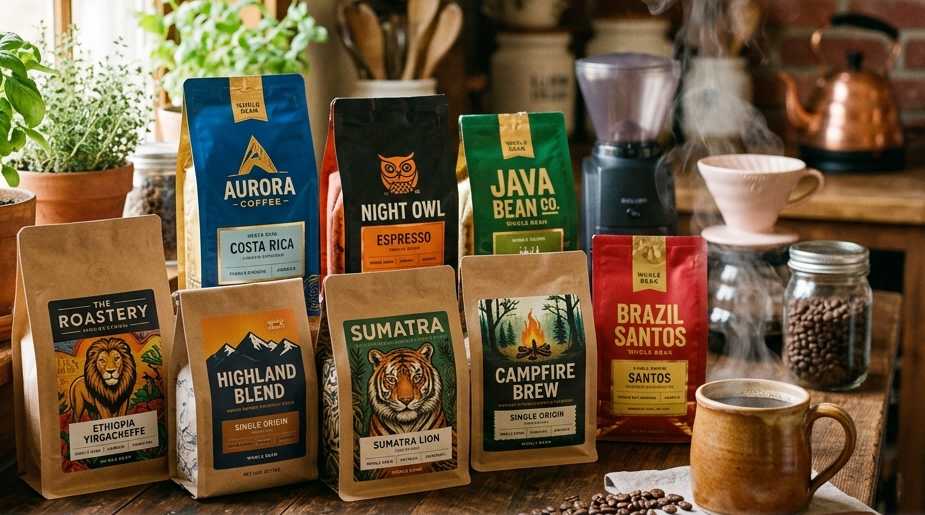
Coffee Packaging Bag Types and Their Effect on Freshness
Not all coffee bags are created equal. The construction of a coffee packaging bag directly affects how well it protects against the four main enemies of freshness: oxygen, moisture, light, and heat.
Aluminum Foil Bags
Aluminum foil bags offer the strongest barrier against oxygen and moisture. Multi-layer foil laminates—combining aluminum with polyethylene or nylon—are the standard for specialty and premium coffee brands. These bags typically extend shelf life to the upper end of the 6–12 month range for whole beans.
Maixin Packaging produces high-quality aluminum foil pouches and ziplock bags specifically designed for coffee beans and ground coffee, offering excellent moisture-proof and airtight properties. You can explore their coffee packaging options at www.maixinpackingtech.com.
Kraft Paper Bags
Kraft paper bags are a popular choice among artisan and eco-conscious coffee brands. On their own, they offer minimal barrier protection. Most kraft coffee bags are laminated with an inner foil or polyethylene layer to improve barrier performance. Without that lining, a kraft paper bag alone will shorten the shelf life noticeably—often to just a few weeks after roasting.
Stand-Up Pouches with Degassing Valves
Stand-up pouches fitted with one-way degassing valves are the most functional option for freshly roasted coffee. The valve releases CO₂—a natural byproduct of roasting—without drawing oxygen back in. This design keeps beans fresher for longer and prevents the bag from inflating or bursting.
Coffee Packaging Materials: A Closer Look
The material composition of a coffee bag matters as much as its shape. Here's a quick overview of the most common coffee packaging materials and their trade-offs:
Packaging Material | Oxygen Barrier | Moisture Barrier | Light Barrier | Eco-Friendliness |
|---|---|---|---|---|
Aluminum Foil Laminate | Excellent | Excellent | Excellent | Moderate |
Kraft Paper (lined) | Good | Good | Moderate | High |
PET/PE Laminate | Good | Good | Good | Moderate |
Clear Plastic | Poor | Moderate | Poor | Low |
Biodegradable Film | Moderate | Moderate | Moderate | High |
For roasters prioritizing shelf life, aluminum foil laminate is the clear frontrunner. For brands with a sustainability focus, kraft paper bags lined with a bio-based barrier layer offer a workable compromise between freshness and environmental responsibility.
The choice of coffee packaging materials also affects how coffee is perceived on the shelf. A matte kraft bag signals artisan quality. A sleek foil pouch suggests premium protection. Both communicate something to the buyer before the first sip.
Practical Tips for Keeping Bagged Coffee Fresh Longer
The bag can only do so much. Storage habits matter just as much as packaging materials.
Keep the bag sealed:Resealable zippers and tin ties exist for a reason. Squeeze out excess air before closing.
Store at room temperature:Contrary to popular belief, the freezer isn't always the best option. Repeated freeze-thaw cycles introduce moisture. If you do freeze coffee, do it once—and use an airtight container.
Avoid the refrigerator:Coffee absorbs odors easily. A fridge full of last night's leftovers is not a good neighbor for your morning roast.
Keep away from light and heat:A pantry shelf away from the stove or a window is ideal.
Buy in smaller quantities: The freshest coffee is the coffee you use within two to four weeks of opening.
Frequently Asked Questions
Does bagged coffee expire or just lose flavor?
Bagged coffee doesn't "expire" in the way that dairy or meat does—it won't make you sick after a certain date. The real concern is flavor. Stale coffee tastes flat, bitter, or cardboard-like. For best results, consume whole bean coffee within four weeks of opening and ground coffee within two weeks.
Does vacuum-sealed coffee last longer?
Yes. Vacuum-sealed coffee packaging bags remove oxygen before sealing, significantly slowing the oxidation process. Vacuum-sealed ground coffee can last up to 3–5 months unopened, compared to a few weeks in a standard bag.
Is a one-way valve on a coffee bag necessary?
For freshly roasted coffee, yes. Roasted beans off-gas CO₂ for days after roasting. Without a one-way valve, that gas builds up pressure inside the bag. The valve lets CO₂ out while keeping oxygen from entering—a critical feature for maintaining freshness.
Can the type of coffee packaging bag change the taste of the coffee?
Indirectly, yes. Poor packaging materials allow oxygen and moisture to degrade the beans over time, resulting in stale, flat-tasting coffee. A well-constructed aluminum foil laminate bag or a stand-up pouch with a degassing valve will preserve the original flavor profile far better than a basic paper bag.
Are kraft paper coffee bags good enough for long-term storage?
Plain kraft paper bags are not suitable for long-term storage. Kraft bags lined with a foil or polyethylene inner layer perform significantly better. For storage beyond two to three weeks, an aluminum foil laminate remains the most reliable choice.
The Takeaway
Bagged coffee shelf life comes down to two things working together: proper storage and quality packaging. Whole bean coffee in a sealed, foil-laminated bag stored away from heat and light will stay fresh for up to 12 months. Once opened, that window narrows to three to four weeks. Ground coffee works on a tighter timeline—around one to two weeks after opening.
The coffee packaging bag you choose shapes the entire freshness equation. Aluminum foil laminates offer the strongest protection. Kraft paper bags with a barrier lining balance aesthetics and function. Stand-up pouches with degassing valves are the gold standard for freshly roasted specialty coffee. Understanding these coffee packaging materials helps roasters, retailers, and everyday coffee drinkers make smarter choices—from the shelf to the cup.
