




Aluminium foil bags are one of the most reliable packaging solutions across food, cosmetic, and industrial sectors. They block moisture, light, and oxygen with exceptional efficiency, helping products stay fresh and protected throughout their shelf life. Manufacturers like Maixin Packaging have made these bags a cornerstone of modern flexible packaging—and for good reason.
Understanding the production process behind aluminium foil bags helps buyers make smarter procurement decisions, and helps businesses choose the right bag format for their product. This guide covers the three main types of aluminium foil bags, a step-by-step breakdown of how they are made, and a comparison table to simplify your selection process.
The Step-by-Step Process: Making Aluminium Foil Bags
The production of aluminium foil bags involves a precise sequence of manufacturing stages. Each step plays a critical role in ensuring the finished bag offers adequate barrier protection, structural integrity, and sealability.
Step 1: Raw Material Preparation
The core ingredient is aluminium foil, typically ranging from 7 to 20 microns in thickness. This foil is combined with other films—most commonly biaxially oriented polyethylene terephthalate (BOPET or polyester) for stiffness and printability, and polyethylene (PE) or cast polypropylene (CPP) for heat-sealability. The specific layering depends on the end-use of the bag.
Step 2: Lamination
Each film layer is bonded together using adhesive lamination or dry lamination. In this stage, multiple rolls of film pass through laminating machines where they are pressed together under heat and adhesive, forming a single composite sheet. High-quality manufacturers operate multiple laminating machines to ensure consistent bonding with no air pockets or delamination.
Step 3: Printing
Before or after lamination (depending on the design), the outer surface receives custom printing using 10-color rotogravure or flexographic printing machines. This stage applies branding, product information, regulatory text, and decorative graphics to the packaging.
Step 4: Bag Making and Cutting
The laminated roll film is fed into bag-making machines, which cut the material to the required dimensions and fold or form it into the desired bag shape. At this stage, zippers, spouts, hang holes, and tear notches can be added depending on the bag type. Heat sealing bonds the edges to create airtight seams.
Step 5: Quality Inspection
Finished bags are tested for seal integrity, barrier performance, print accuracy, and dimensional consistency. Advanced manufacturers use online inspection machines throughout the production line to catch defects before the bags are packaged for shipment.
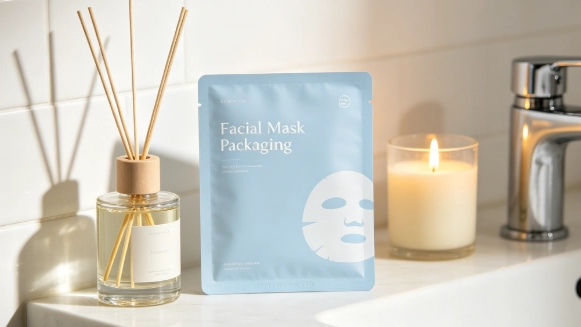
Aluminium Pouch Packaging: Flat Seals, Maximum Protection
Aluminium pouch packaging refers to flat or pillow-style pouches constructed from laminated aluminium foil composite films. These are among the most widely used flexible packaging formats globally, appearing across snack foods, coffee, tea, pharmaceuticals, and cosmetic products.
The defining advantage of aluminium pouch packaging is its superior multi-layer barrier. A standard structure typically includes:
Outer layer: BOPET or BOPP (for printability and structural support)
Middle layer: Aluminium foil (the primary barrier against light, moisture, and oxygen)
Inner layer: PE or CPP (food-safe, heat-sealable)
This combination creates a packaging material that resists puncture, blocks UV light completely, and maintains an extremely low oxygen transmission rate—critical for extending the shelf life of sensitive products.
Aluminium pouch packaging is frequently customized with features like resealable zip-lock closures, euro holes for retail display, and tear notches for easy opening. The flat format also makes it highly efficient for storage and shipping, as pouches can be stacked densely without wasting space.
Aluminium Stand-Up Pouch: Shelf Presence and Functional Design
The aluminium stand-up pouch—sometimes called a doypack—adds a gusseted base to the standard pouch format, allowing it to stand upright on retail shelves. This structural addition transforms the bag from a simple product container into a self-displaying retail package.
Stand-up pouches are constructed using the same laminated aluminium composite materials as flat pouches, but the bag-making process includes the formation of a bottom gusset during the heat-sealing stage. The gusset expands when the bag is filled, providing a stable base.
Key advantages of the aluminium stand-up pouch include:
Enhanced retail visibility: Standing upright allows the front panel to face consumers directly, maximizing label exposure
Consumer convenience: Can be used, resealed, and stored without a secondary container
Versatility: Suitable for dry, wet, granular, and powder products
Customization options: Zip-lock tops, spout fitments, clear windows, and matte or gloss finishes are all available
The aluminium stand-up pouch is especially popular in food categories such as coffee, pet food, nuts, dried fruits, and sauces. Cosmetic brands also use it for sheet masks and liquid skincare products where moisture protection is non-negotiable.
Chemical Aluminium Foil Bags: Industrial-Grade Barrier Packaging
Chemical aluminium foil bags are purpose-built for industrial and hazardous material storage. These bags must contain substances safely—resisting chemical permeation, static discharge, and environmental degradation—while maintaining their structural integrity over extended storage periods.
The film structure for chemical aluminium foil bags is typically heavier and more robust than food-grade equivalents. Common configurations use thicker aluminium foil (up to 20 microns or more), reinforced polyester layers, and specialized PE or nylon inner liners that resist chemical reactions with the contents.
Primary applications include:
Packaging of agricultural chemicals, pesticides, and fertilizers
Storage of electronic components sensitive to electrostatic discharge (ESD)
Containment of pharmaceutical raw materials and industrial powders
Packaging of adhesives, resins, and specialty coatings
Anti-static variants are also produced for electronics packaging, incorporating conductive layers that dissipate static charges before they can damage sensitive components. The sealing on chemical aluminium foil bags is generally reinforced with wider and thicker heat-seal bonds to withstand pressure from dense or heavy contents.
Comparing the Three Types of Aluminium Foil Bags
The table below summarizes the key characteristics of each bag type to help you identify the right format for your packaging needs.
Feature | Aluminium Pouch Packaging | Aluminium Stand-Up Pouch | Chemical Aluminium Foil Bag |
|---|---|---|---|
Primary Structure | Flat / pillow format | Gusseted base, upright | Reinforced flat or side-seal |
Typical Application | Food, pharma, cosmetics | Food, coffee, pet care, cosmetics | Industrial, chemical, ESD-sensitive |
Barrier Level | High | High | Very High |
Foil Thickness | 7–12 microns | 7–12 microns | 12–20+ microns |
Custom Closures | Zipper, tear notch | Zipper, spout, tear notch | Heat-seal (reinforced) |
Retail Suitability | Moderate | High | Low (industrial use) |
Moisture Resistance | Excellent | Excellent | Excellent |
Customization Options | Print, windows, hang hole | Print, windows, spout, gusset | Anti-static layers, inner liners |
Bringing It All Together
Aluminium foil bags—spanning standard pouches, stand-up formats, and chemical-grade bags—share a common foundation: precise lamination, quality-controlled sealing, and carefully selected barrier materials. The production process is well-established but demands accurate machinery, skilled technicians, and rigorous inspection to yield reliable results at scale.
Maixin Packaging, based in Zhongshan, China, specializes in custom aluminium foil bag production across all three categories covered in this guide. The facility operates over 15,000 square meters of production space with 168 skilled technicians, 10-color printing machines, and 26 bag-making machines—supporting high-volume customized orders with consistent quality. For sourcing inquiries, visit www.maixinpackingtech.com or contact the team directly at sales@maixinpackingtech.com.
Choosing the right aluminium foil bag format starts with understanding your product's barrier requirements, retail environment, and end-user needs. The three types outlined here cover the vast majority of packaging applications, from retail coffee bags to industrial chemical containment—each built on the same core principle of multi-layer aluminium protection.
Frequently Asked Questions
Are aluminium foil bags food safe?
Yes. Food-grade aluminium foil bags use inner layers made from PE or CPP, both of which are approved for direct food contact. The aluminium foil itself acts as a barrier layer and does not come into contact with the food product directly.
Can aluminium foil bags be printed with custom designs?
Yes. The outer polyester or BOPP layer of the bag is compatible with high-resolution rotogravure and flexographic printing. Most manufacturers support up to 10 colors, including metallic finishes and matte or gloss lamination.
Are stand-up pouches more expensive than flat pouches?
Stand-up pouches generally cost slightly more than flat pouches due to the additional material required for the gusseted base and the more complex bag-making process. The premium is typically offset by their stronger retail shelf performance.
Are chemical aluminium foil bags suitable for food?
No. Chemical aluminium foil bags are engineered for industrial and hazardous material storage, not food contact. They may contain inner liners or additives that are not food-safe. Food packaging should always use purpose-built food-grade materials.
Can aluminium foil bags be recycled?
Recycling aluminium foil bags is more complex than recycling single-material plastics because the laminated structure bonds multiple materials together. Some recycling programs accept them, but availability varies by region. Manufacturers are increasingly developing mono-material alternatives to address this.
TL;DR: Aluminium foil bags are made by laminating multiple layers of film—including aluminium foil, polyester, and polyethylene—then cutting and heat-sealing the material into the desired bag format. The three main types are aluminium pouch packaging, aluminium stand-up pouches, and chemical aluminium foil bags, each engineered for specific barrier and structural requirements
