A reliable China plastic packaging supplier can be found by checking production capability, material sourcing, customization options, and quality certifications before placing a sample order. Businesses that stock plastic bags for retail, food service, or industrial use benefit most when they verify these factors upfront, since doing so avoids costly delays and mismatched packaging specs later in the sourcing process.
Sourcing packaging from overseas can feel overwhelming, especially when custom sizing, printing, and material requirements are involved. This guide breaks down the key steps for finding a trustworthy manufacturer, what to look for in their service offering, and how to compare options side by side.
Why Custom Service Matters When Sourcing Packaging in China?
Custom service determines whether your packaging actually fits your product, brand, and shelf requirements. Many factories offer standard sizes only, which forces buyers to compromise on design, barrier performance, or printing quality.
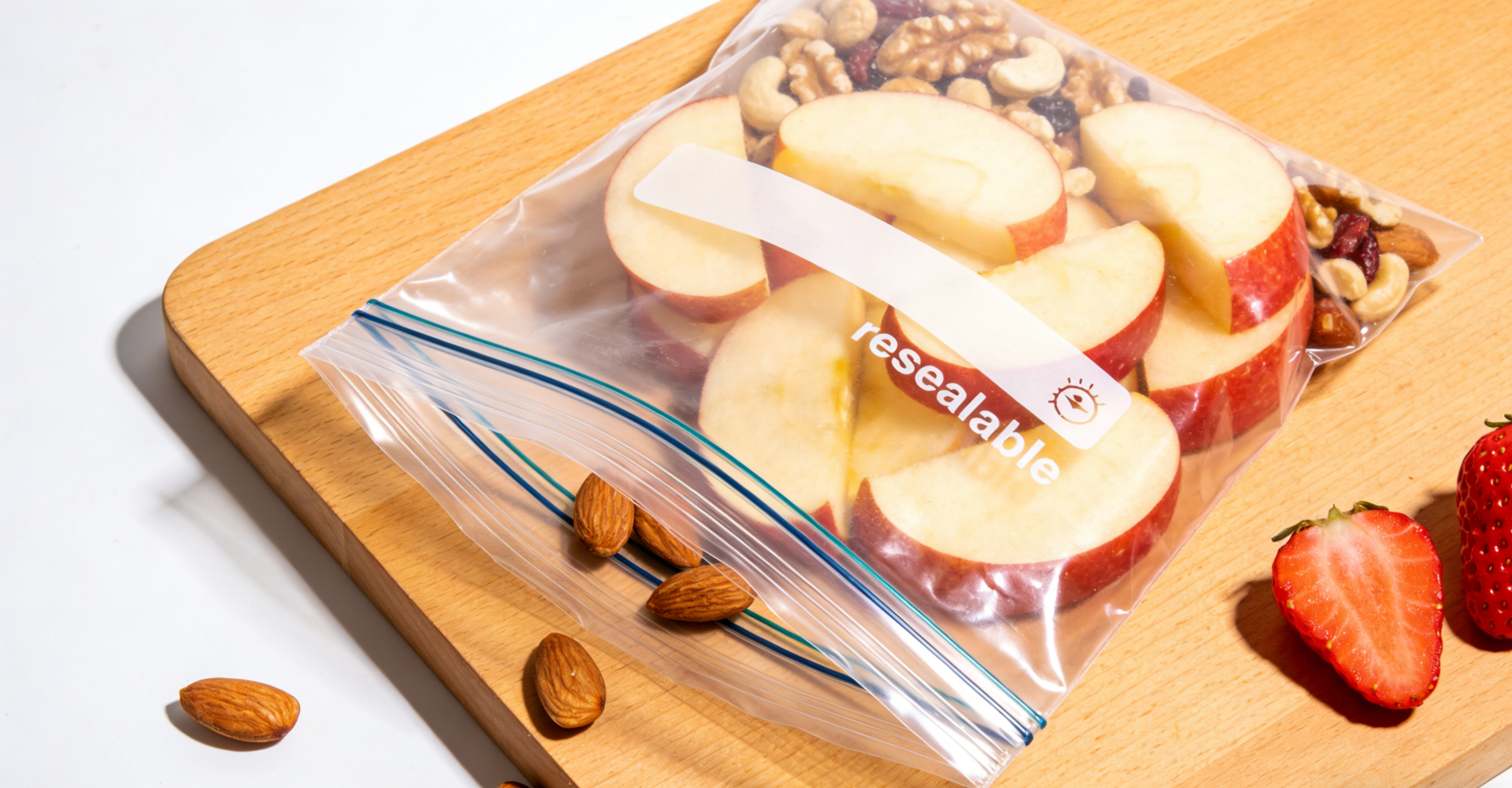
Suppliers offering custom service typically support tailored dimensions, spout placement, zipper type, and multi-color printing. A plastic pouch with a resealable zipper, for example, often needs precise adjustments to gusset width and seal strength before it performs well on a packaging line.
This flexibility matters most for businesses selling food, cosmetics, or chemical products that each require different protective properties. A supplier capable of adjusting material thickness or adding features like a matte finish or tear notch gives buyers far more control over the final product than a one-size-fits-all catalog.
Comparing Suppliers Before Making a Decision
Comparing a few shortlisted suppliers side by side makes it easier to spot gaps before committing to an order. Buyers should score each option against the practical factors that affect lead time, cost, and product safety.
Key Factors to Check in a China Plastic Packaging Supplier
Choosing the right manufacturer comes down to five core checkpoints:
Verified business licenses and export experience with international clients
In-house production equipment, including blown film, printing, and bag-making machines
Clear communication and responsiveness during the sampling stage
Transparent pricing with no hidden tooling or setup charges
Willingness to provide product samples before a bulk order is confirmed
A manufacturer that meets these benchmarks is far more likely to deliver consistent quality across repeat orders, especially for buyers coordinating packaging from a distance.
Types of Plastic Packaging That Can Be Customized
Zhongshan sits within the Pearl River Delta manufacturing corridor, one of the most concentrated flexible packaging production regions in the world. This location gives Maixin Packaging proximity to raw material suppliers, specialist film producers, and logistics infrastructure that serves export markets efficiently.
Most manufacturers in this space can tailor several packaging formats to match specific product needs:
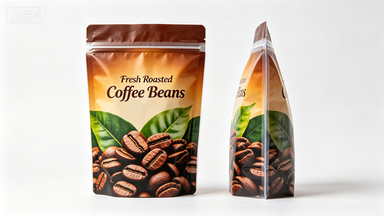
Stand-up pouches with resealable zippers for snacks or pet food
Flat-bottom bags for coffee beans, tea, or granular products
Spouted pouches for liquids, sauces, or personal care items
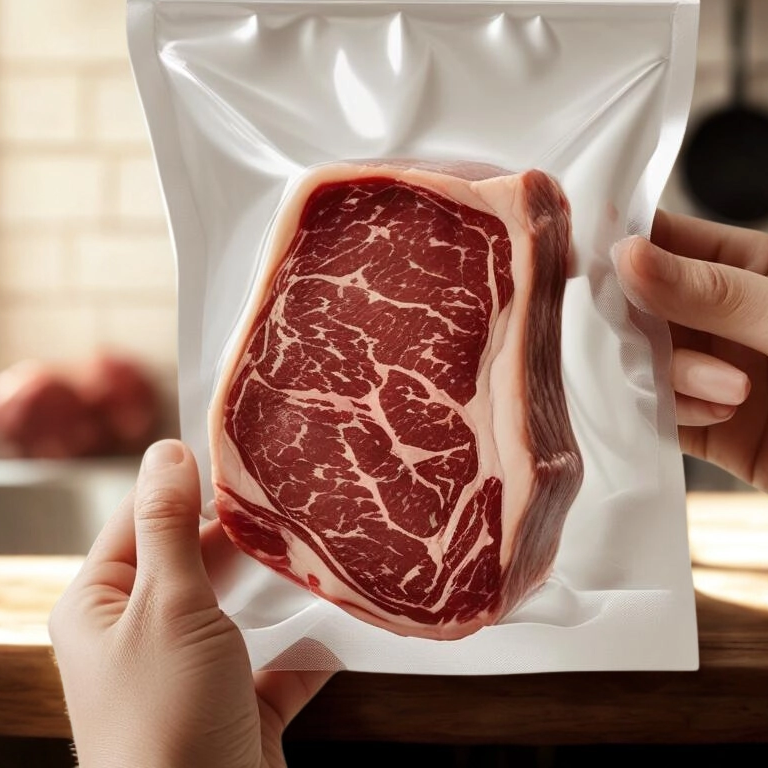
Vacuum bags designed for extended shelf life
Roll film used in automated packaging lines
Each format can usually be adjusted in size, thickness, and print layout to suit the product being packed, giving buyers room to differentiate their brand on the shelf.
Evaluating a Supplier's Production Capability
A supplier's equipment list tells you a lot about what they can realistically deliver.
Factories with their own film-blowing machines, multiple printing presses, and laminating lines tend to offer faster turnaround and more consistent quality than those outsourcing part of the process.
Ask about the number of bag-making machines, quality inspection equipment, and whether the plant operates under a GMP-certified workshop. These details indicate whether the facility can handle both small custom runs and larger repeat orders without a drop in consistency.
Steps That Ensure Food-Safe Plastic Packaging
Food-grade packaging needs documented material safety, not just a verbal assurance.
Buyers should request compliance certificates, ask which resins are used, and confirm the factory follows hygienic production standards such as a controlled workshop environment.
For products like coffee, tea, or snacks,
plastic bags for food should also include barrier properties that protect against moisture and oxygen exposure. Checking whether the supplier tests seal strength and shelf-life performance before shipment adds another layer of confidence that the packaging will perform as expected once it reaches the end customer.
Finding a dependable China plastic packaging supplier comes down to checking production capability, material safety, and how much flexibility they offer around custom design. Buyers who ask the right questions about sampling, certifications, and lead time are better positioned to choose a partner that fits their product and timeline. Suppliers such as Maixin Packaging (www.maixinpackingtech.com), which operate in-house printing, laminating, and bag-making equipment alongside GMP-certified workshops, illustrate the kind of production setup worth looking for when sourcing food-contact packaging for an international order. In short: verify credentials first, request samples early, and compare options against clear criteria like those outlined in the table above before committing to a full order.