




Do you remember the magic of watching a flimsy piece of plastic curl up in the oven, only to flatten out into a hard, durable charm? If you grew up with Shrinky Dinks, you know exactly what we are talking about. If you didn't, you are in for a treat. Shrink film is experiencing a massive resurgence in the crafting community, and for good reason. It is accessible, affordable, and incredibly satisfying.
Whether you want to create custom keychains, unique jewelry, lapel pins, or personalized gift tags, this material offers endless possibilities. It allows you to turn simple drawings into professional-looking acrylic-style pieces. However, despite its simplicity, the process can be tricky. Without the right technique, you might end up with distorted shapes, burnt plastic, or designs that curl up and stick to themselves.
This guide covers everything you need to know about how to use shrink film, from choosing the right supplies to mastering the baking process.
Understanding Shrink Film
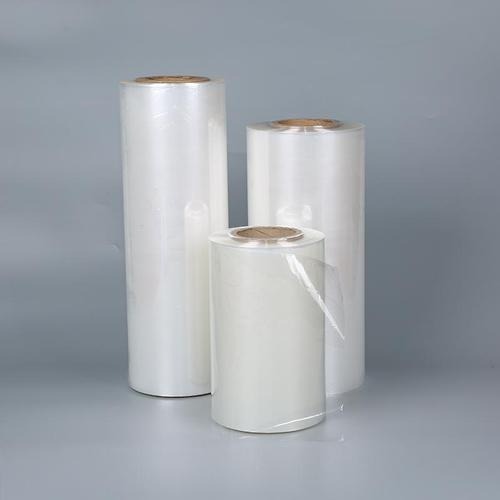
Before you start drawing, it helps to understand what you are working with. Shrink film is made from polystyrene sheets—the same type of plastic used in many food containers. When this plastic is manufactured, it is stretched and cooled, locking the polymer chains into a stretched state.
When you reheat the film to around 325°F (163°C), the plastic "remembers" its original state and snaps back. The result is a piece of plastic that is about 50% to 20% of its original size and significantly thicker and harder.
Types of Film
There isn't just one kind of film. Choosing the right one depends on your project:
Clear: Great for tracing designs, but you can usually only use permanent markers.
Frosted/Sanded: This has a rough texture on one side, allowing you to use colored pencils, chalk pastels, and crayons.
White: Provides a solid, opaque background that makes colors pop.
Inkjet Printable: Specifically coated to absorb printer ink, allowing you to print photos or digital art directly onto the plastic.
1
Gathering Your Supplies
To get the best results, you need more than just the plastic sheets. Here is your essential toolkit:
Shrink Film Sheets: Pick the finish that suits your medium (sanded for pencils, smooth for markers).
Coloring Tools: Permanent markers (like Sharpies), paint pens, or colored pencils. Note: Oil-based paints and wax crayons often do not work well as they melt off the plastic during heating.
Scissors or Craft Knife: For cutting out your designs.
Hole Punch: Essential if you are making keychains or jewelry. You must punch the hole before baking.
Heat Source: A toaster oven, conventional oven, or a heat gun/embossing tool.
Parchment Paper or Vellum: To line your baking tray and prevent sticking.
Heavy Object: A flat bottomed glass or a heavy book to flatten the piece immediately after heating.
1
Step-by-Step: How to Use Shrink Film
Ready to create? Follow these steps to ensure your project comes out perfectly every time.
1. Prep Your Surface
If you have crystal clear film but want to use colored pencils, you will need to scuff the surface. Use fine-grit sandpaper (around 300-400 grit) and gently sand the plastic in a cross-hatch motion. Wipe away the dust with a clean cloth. This creates a "tooth" for the pigment to grab onto. If you bought pre-sanded film, you can skip this step.
2. Draw and Color
This is the creative part. You can trace an image or draw freehand. However, there is one golden rule: Draw Big.
Since the material shrinks significantly (usually to about 1/3 of the starting size), you need to scale up your artwork. If you want a 1-inch pin, you should draw your design roughly 3 inches wide.
Also, keep in mind that colors will concentrate and darken as the plastic shrinks. A pastel pink might turn into a hot pink, and a medium blue could become navy. If you want light colors, color very lightly.
3. Cut and Punch
Once your design is colored, cut it out. You can cut closely around the edge for a "die-cut" look, or leave a small border of clear/white plastic around the art. Try to round off any sharp corners; when the plastic hardens, sharp points can become surprisingly jagged and scratchy.
Crucial Step: If you plan to attach a jump ring, keychain, or earring hook, punch your hole now. A standard standard hole punch is usually perfect; once shrunk, the hole will be the perfect size for standard jewelry hardware. You cannot punch a hole after the plastic has hardened.
4. The Heat Phase
There are two main ways to shrink your design: using an oven or using a heat gun.
Method A: The Oven (Recommended for Beginners)
Preheat your oven to the temperature recommended on your package instructions (usually between 300°F - 350°F).
Line a baking sheet with parchment paper or a silicone mat. Do not bake directly on metal or foil, as the plastic might stick.
Place your pieces roughly 2 inches apart.
Bake for 1–3 minutes. Do not look away.
The Scary Part: The plastic will curl up, twist, and look like it is ruining itself. This is normal. Do not open the oven. Wait a few more seconds, and it will uncurl and flatten out.
Once it is flat, give it another 30 seconds to ensure it has fully shrunk.
Method B: The Heat Gun
Place your piece in a heat-proof box (like a cardboard box lined with parchment) to stop it from blowing away.
Use a long object (like a knitting needle or tweezers) to hold the plastic in place.
Direct the heat moving the gun constantly so you don't burn one spot.
Watch for the curl and flatten process described above.
1
5. Flatten and Cool
As soon as you pull the tray out of the oven (or turn off the heat gun), the plastic will still be pliable for a few seconds. If a piece isn't perfectly flat, immediately press down on it with a heavy object like a glass cup or a book covered in parchment paper. Hold it for 10 seconds until the plastic cools and hardens.
6. Sealing Your Art
While permanent marker and colored pencil adhere well, they can scratch off over time if handled frequently. To make your keychain or pin waterproof and durable, you should seal it.
UV Resin: This provides a glossy, domed finish that looks like professional acrylic.
Dimensional Magic / Diamond Glaze: A water-based alternative to resin that adds shine and depth.
Clear Acrylic Spray: A quick way to seal the color without adding bulk.
Warning: Do not use clear nail polish. The chemicals in nail polish often react with the markers or the plastic, causing the ink to smear or the finish to become sticky.
Troubleshooting Common Issues
Even experienced crafters run into issues. Here is how to fix them:
The plastic stuck to itself:
If your design creates a long, thin shape, it might curl over and touch itself during baking. If this happens, open the oven immediately and use two toothpicks or a knife to gently pry it apart while it is still hot. Then, put it back in the oven to finish shrinking.
The surface is bubbly:
This usually happens if the oven is too hot. The plastic shrinks too fast on the outside while the inside is still expanding, trapping air. Lower your temperature and try again.
The edges are rough:
If your scissors weren't sharp or you had jagged cuts, those imperfections will be magnified when the plastic thickens. You can use a nail file or fine sandpaper to smooth the edges of the finished piece after it has cooled.
Start Creating Today
Shrink film is a versatile medium that bridges the gap between childhood crafts and professional jewelry making. It allows for a low-stakes experimentation with color, shape, and design. Whether you are making merchandise for a small business or just spending a rainy afternoon crafting with family, mastering this material opens up a new world of creativity. Grab a sheet, draw something big, and watch the magic happen in the oven.
