




Industrial chemical suppliers throw away staggering amounts of packaging every year. Steel drums rust, plastic containers crack, and single-use liners pile up in landfills long after their contents have been used. For companies handling corrosive or moisture-sensitive materials, this waste problem isn't just an environmental concern—it's a logistical headache that drives up disposal costs and complicates compliance with shifting regulations.
A growing number of manufacturers are turning to aluminium bags as a practical alternative. Unlike disposable drums, these containers are engineered for multiple use cycles, which means fewer replacements and less material heading to waste streams. The shift reflects a broader push across the chemical sector to rethink packaging from the ground up rather than simply recycling what's already broken.
This same rethinking has fueled interest in aluminium pouch packaging, which offers a lighter, more flexible footprint than rigid containers while still protecting sensitive chemical compounds from air, moisture, and light exposure. Flexible formats also stack and store more efficiently, freeing up warehouse space that rigid drums would otherwise occupy.
For chemicals that demand stricter barrier protection—think reactive powders, volatile solvents, or moisture-sensitive catalysts—Chemical Aluminium Foil Bags have become the packaging of choice. Their multi-layer construction combines the strength of industrial-grade film with the barrier properties of aluminium foil, giving manufacturers a container built specifically for hazardous or sensitive materials.
The Real Cost of Single-Use Chemical Containers
Traditional chemical packaging wasn't designed with sustainability in mind. Steel drums require significant energy to manufacture and transport, and once contaminated with industrial residue, they're expensive to clean or dispose of safely. Plastic containers fare little better: many can't be recycled once they've held hazardous substances, leaving companies with few options beyond landfill disposal or costly specialized waste treatment.
Aluminium bags address this problem directly. Their reusable design means a single container can complete dozens of fill-and-empty cycles before reaching the end of its service life, cutting down dramatically on the volume of packaging waste generated per shipment.
What Makes Aluminium Pouch Packaging Different From Traditional Drums?
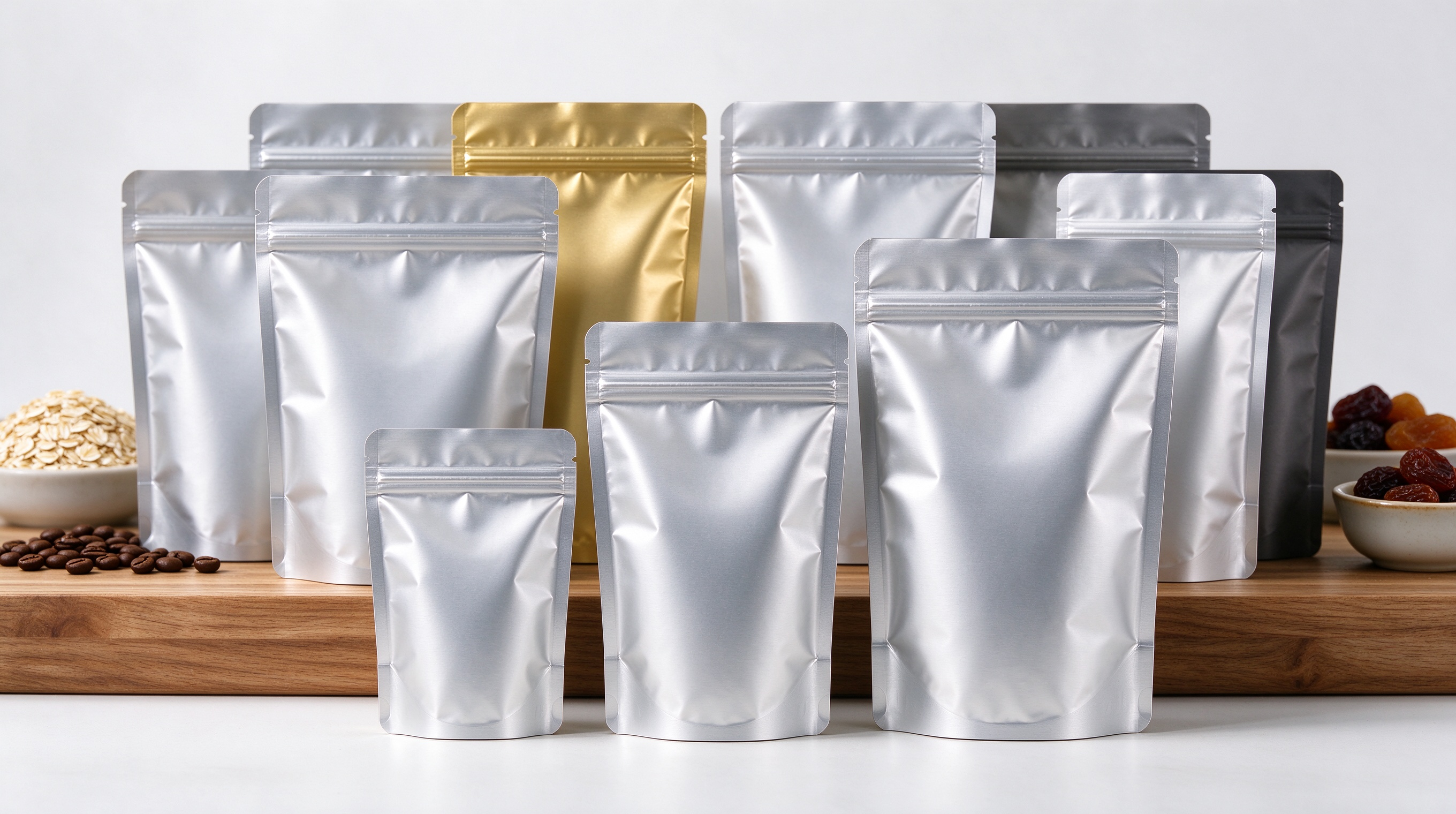
Weight is one of the most immediate differences. A flexible pouch weighs a fraction of what an equivalent steel or plastic drum weighs, which translates directly into lower shipping costs and reduced fuel consumption during transport. Because aluminium pouch packaging collapses flat when empty, it also takes up far less storage space than rigid alternatives, whether in a warehouse or during return shipping for reuse.
The material itself brings functional advantages too. Aluminium naturally blocks light, oxygen, and moisture, all of which can degrade sensitive chemical formulations over time. This barrier performance helps preserve product integrity throughout storage and transit, something rigid plastic containers often struggle to match without added liners or coatings.
Where Do Chemical Aluminium Foil Bags Fit in Industrial Supply Chains?
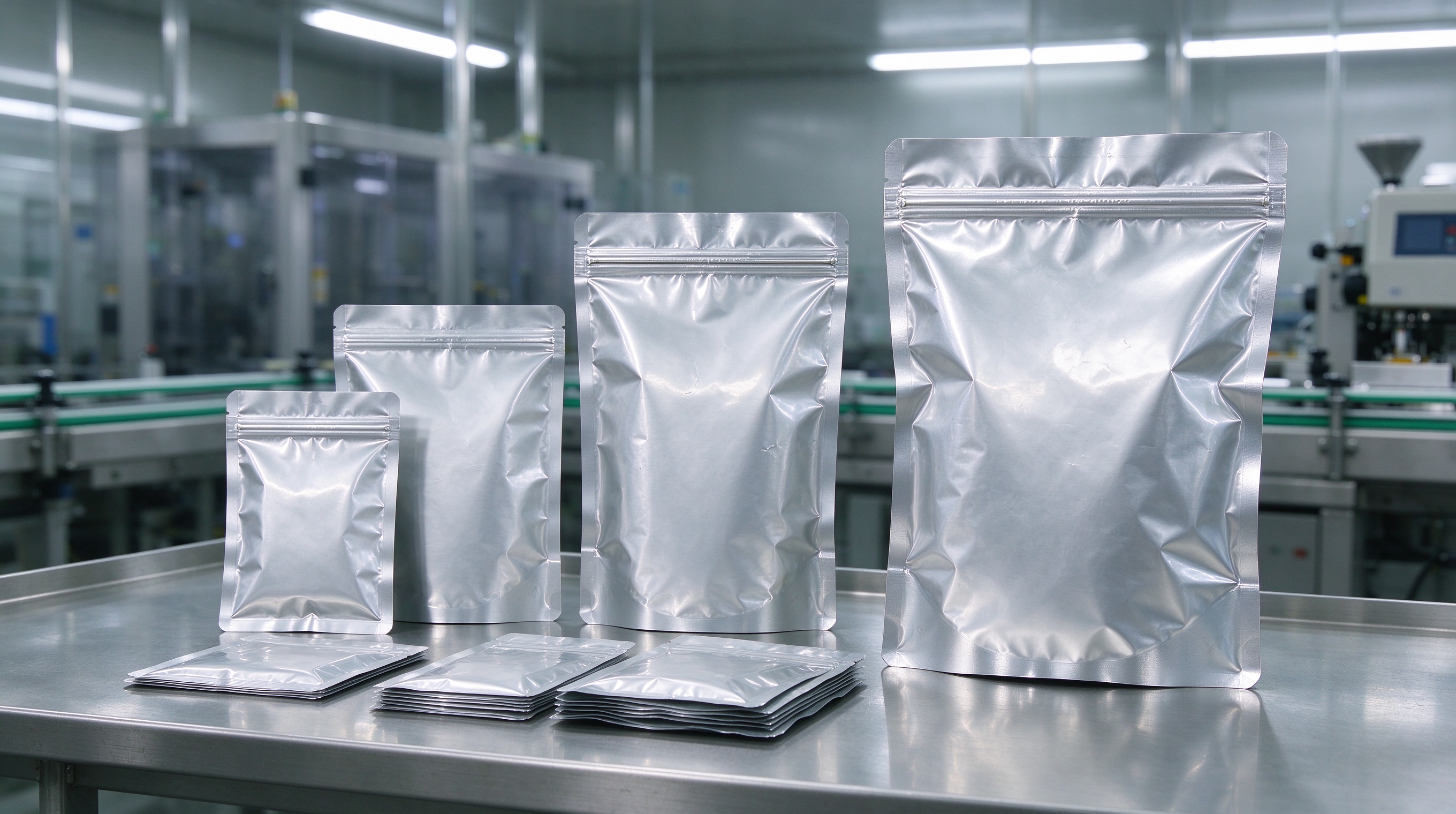
Not every chemical product needs the same level of protection, which is where specialized formats come into play. Chemical Aluminium Foil Bags are typically reserved for substances that are particularly reactive, moisture-sensitive, or prone to degradation when exposed to light. Multi-layer laminate construction gives these bags the structural strength to withstand rough handling during transport while maintaining a tight seal against environmental contaminants.
Zhongshan-based manufacturer Maixin Packaging (www.maixinpackingtech.com), for example, produces this bag format specifically for chemical clients who need dependable barrier protection without the bulk of steel packaging.
Comparing Industrial Packaging Formats
Packaging Format | Typical Use Case | Reusability | Relative Weight | Barrier Protection |
|---|---|---|---|---|
Steel Drums | Bulk liquid chemicals | Low (requires cleaning/reconditioning) | Heavy | Moderate |
Plastic Containers | General industrial chemicals | Low to moderate | Medium | Low to moderate |
Flexible Foil-Lined Pouches | Sensitive or reactive compounds | High | Light | High |
How Do Businesses Benefit From Switching to Reusable Chemical Packaging?
The advantages extend beyond waste reduction alone. Lighter packaging reduces freight costs across the supply chain, while collapsible formats cut down on warehouse and return-shipping space. Companies also gain flexibility in sizing, since flexible pouches can be manufactured in a range of capacities to match specific batch sizes rather than forcing production around standardized drum volumes.
Regulatory compliance is another factor worth considering. As governments tighten restrictions on industrial waste disposal, packaging that reduces landfill contribution can help companies stay ahead of upcoming requirements rather than scrambling to adapt after the fact.
Building a More Sustainable Chemical Supply Chain
Switching packaging formats isn't a decision to make lightly, especially for companies handling regulated or hazardous materials. Start by auditing current packaging waste volumes, then identify which product lines would benefit most from a reusable format based on chemical sensitivity, shipping volume, and storage constraints. Partnering with a manufacturer experienced in industrial-grade flexible packaging can help ensure the transition meets both safety standards and sustainability goals.
Quick answer:
Reusable flexible packaging, including foil-lined pouches designed for chemical products, reduces industrial waste by replacing single-use steel and plastic containers with lightweight, multi-cycle alternatives. These formats also lower shipping weight, improve barrier protection against moisture and light, and help companies reduce landfill contribution while meeting evolving waste regulations.
Frequently Asked Questions
Is reusable chemical packaging more expensive than single-use containers?
Upfront costs can be higher than a basic plastic drum, but the ability to reuse containers across multiple cycles typically lowers the total cost per shipment over time, particularly for companies with high shipping volumes.
How long do flexible chemical packaging formats typically last?
Service life depends on handling conditions and chemical exposure, but well-constructed multi-layer pouches are built to withstand dozens of fill-and-empty cycles before requiring replacement.
Are there risks associated with switching to flexible packaging for hazardous chemicals?
Compatibility testing is essential before switching formats, since not every chemical compound pairs well with every laminate structure. Working with an experienced manufacturer helps ensure the barrier materials suit the specific chemical being packaged.
What alternatives exist besides flexible foil-lined pouches?
Steel drums and rigid plastic containers remain common alternatives, though both generally produce more waste and carry higher shipping weight compared to flexible formats.
Which businesses benefit most from switching to this type of packaging?
Companies shipping sensitive, reactive, or moisture-prone chemicals in moderate to high volumes tend to see the greatest benefit, particularly those looking to reduce freight costs and landfill waste simultaneously.
