




Food brands around the world rely on high-quality packaging to protect freshness, extend shelf life, and build consumer trust. Whether you need pouches for snacks, tea, coffee, or bulk staples, choosing the right supplier makes all the difference. This guide covers the essentials of modern food packaging, the manufacturing process behind it, and how to select the right partner for your brand.
Understanding Modern Food Packaging Needs
Food packaging has evolved far beyond simple containment. Today's packaging must protect against moisture, oxygen, and contamination while also serving as a marketing tool that communicates brand identity on the shelf. Manufacturers now combine advanced film technology with precise printing to meet both functional and visual demands.
Brands selling grains, snacks, tea, coffee, and pet food each have distinct requirements. A supplier that understands these nuances can recommend the right barrier properties, seal strength, and finish for each product category, helping reduce waste and spoilage during transport and storage.
Rice Bags and Their Specialized Requirements
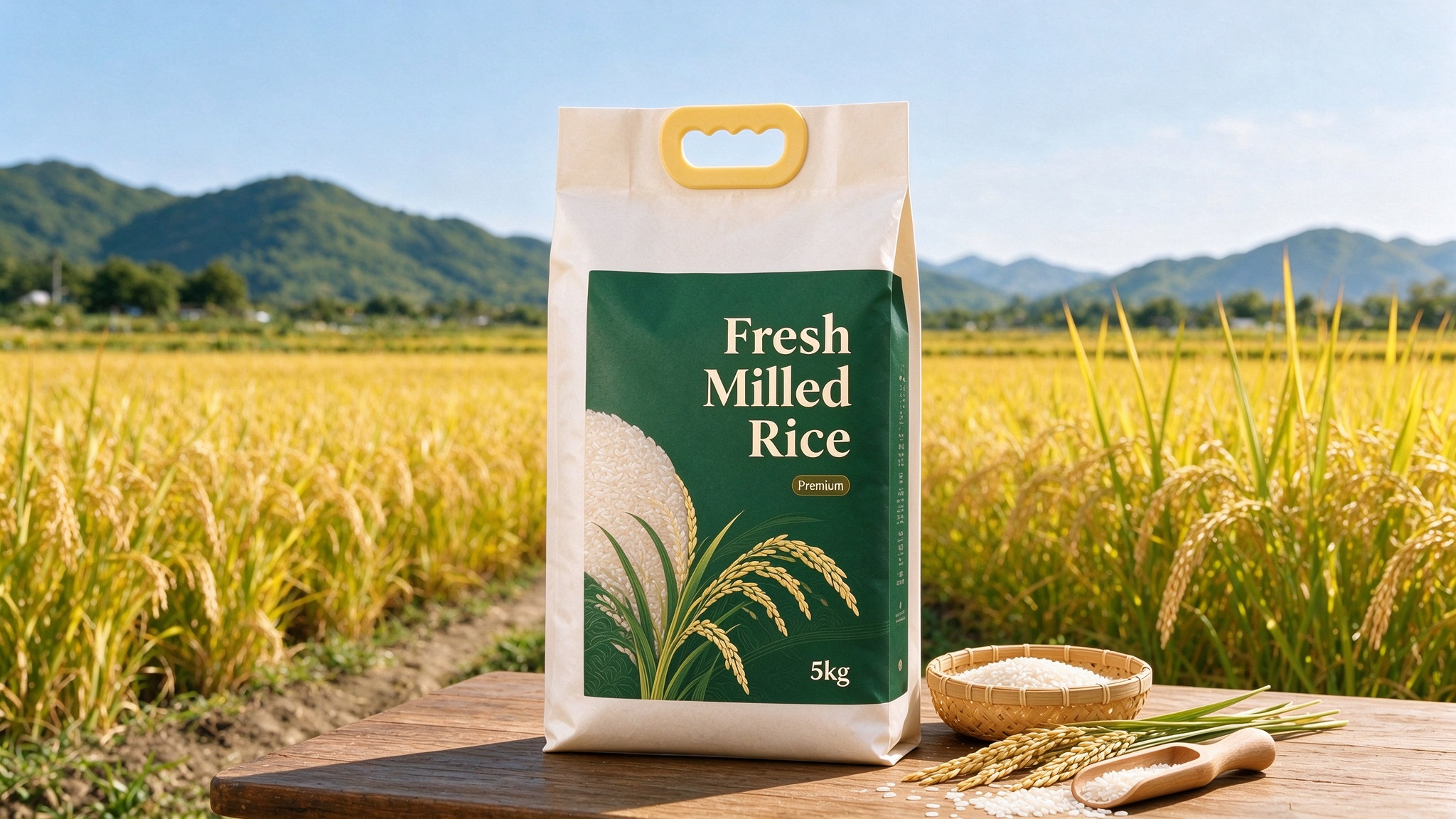
Packaging for bulk staples like rice calls for materials that resist punctures, tearing, and moisture infiltration during handling and long-distance shipping. Woven polypropylene and laminated multilayer films are common choices because they balance strength with cost efficiency. Rice bags also often include breathable valve designs or moisture barriers depending on the storage climate and shelf-life targets set by the brand.
Inside a Professional Manufacturing Facility
A well-equipped food bags factory typically operates film blowing machines, multi-color printing lines, lamination equipment, and automated bag-making systems to ensure consistency across large production runs. Quality inspection stations and GMP-standard workshops are essential for maintaining hygiene and compliance, particularly when the bags will come into direct contact with consumable goods.
Facilities that handle raw material development in-house, including blowing their own PE or PVC films, can offer more tailored solutions because they control the entire process from resin to finished bag. This vertical integration often results in faster turnaround times and more consistent quality across orders.
Key Features to Look For in a Packaging Partner
When evaluating potential suppliers, brands should assess the following capabilities:
Material variety: Access to kraft paper, aluminum foil, PE, PVC, and laminated structures for different product needs.
Customization options: Ability to produce stand-up pouches, zip-lock bags, spout bags, and vacuum-sealed formats.
Printing quality: Multi-color printing capabilities that preserve brand consistency across large batches.
Quality control: Dedicated inspection machines and testing protocols at multiple production stages.
Production capacity: Sufficient machinery and factory space to handle both small test runs and large-volume orders.
Compliance standards: Adherence to food-safety regulations and hygienic manufacturing environments.
Materials and Structures Commonly Used
Packaging structures vary depending on the product being stored and the shelf conditions it will face. Common configurations include:
Single-layer PE films: Lightweight and cost-effective for short shelf-life items.
Multilayer laminated films: Combine barrier properties for oxygen, moisture, and light protection, ideal for coffee, tea, and snacks.
Kraft paper with inner liners: Popular for a natural aesthetic paired with functional moisture resistance.
Aluminum foil pouches: Provide maximum barrier protection for products sensitive to air and light exposure.
Woven and laminated bulk bags: Designed for grains, pet food, and other high-volume staple products.
The table below summarizes typical packaging formats and their best-suited applications.
Packaging Format | Common Materials | Typical Use Case |
|---|---|---|
Stand-up pouch | PE, laminated film | Snacks, nuts, pet food |
Zip-lock bag | PE, aluminum foil | Coffee beans, tea, resealable snacks |
Spout bag | Laminated film | Liquids, sauces, baby food |
Woven bulk bag | Polypropylene | Grains, flour, bulk staples |
Vacuum bag | Multilayer laminate | Meat, cheese, perishable goods |
Shrink film | PE, PET, PVC | Bundling, product wrapping |
Why Sourcing From an Established Supplier Matters
Working with a manufacturer that operates multiple production lines and quality-inspection stages reduces the risk of inconsistent output. Established facilities with dozens of bag-making machines, printing lines, and lamination units can scale production while maintaining tight tolerances on seal strength, dimensions, and print accuracy. This consistency becomes especially important for brands shipping products internationally, where packaging failures can lead to costly returns or damaged reputations.
Suppliers with in-house research and development teams can also adapt formulations and structures to meet evolving regulatory requirements or sustainability goals, such as incorporating recyclable or compostable materials without compromising barrier performance.
Frequently Asked Questions
What is the typical lead time for custom packaging orders?
Lead times vary based on order volume and customization complexity, but most manufacturers can turn around standard designs within a few weeks, with sampling often completed faster.
Can packaging be customized with brand-specific printing?
Yes, most factories equipped with multi-color printing machines can reproduce detailed logos, color schemes, and product information directly on the packaging material.
Are food packaging bags recyclable?
Many modern formats, including certain PE and kraft-based structures, can be designed with recyclability in mind, though the specific material composition determines the exact end-of-life handling.
What minimum order quantities are usually required?
Minimum order quantities depend on the manufacturer and the complexity of the design, with some facilities accommodating smaller trial runs before committing to larger production batches.
How is packaging quality tested before shipment?
Reputable facilities use multiple inspection machines throughout production, checking for seal integrity, print accuracy, and material consistency before bags are approved for shipment.
Conclusion
Selecting the right packaging partner directly affects product freshness, brand presentation, and operational efficiency. From rice bags designed for bulk transport to specialized pouches for snacks, tea, and coffee, the right combination of materials and manufacturing expertise makes a measurable difference in product quality. For brands seeking a dependable China Food Packaging Bags supplier with in-house material development and full production capabilities, exploring established manufacturers like Maixin Packaging (www.maixinpackingtech.com) can provide the customization, consistency, and scale needed to support long-term growth.
