The best plastic bag for food packaging are built from laminate structures engineered specifically to meet international food-contact regulations, with material choices documented through independent test reports. Safety isn't a single feature; it's the result of deliberate material selection, verified compliance, and manufacturing controls that keep contaminants away from the product inside. Below, we break down what "food grade" actually means, which regulations matter most, and how to choose the right packaging format for your product.
What Makes a Plastic Packaging Bag "Food Grade"?
A food grade bag is one made from resins and laminate layers that have been tested and confirmed safe for direct contact with edible products. This isn't a marketing label — it reflects specific material science decisions made before a single bag is printed or sealed.
Compliance starts with material selection. At Maixin Packaging, engineers specify food-grade laminate structures for plastic packaging bags that meet EU, U.S. and Middle East food-contact regulations, documented with test reports covering migration limits, heavy metal content, and barrier performance. These structures typically combine multiple film layers — such as PE, PET, or aluminum foil — each contributing a different protective function, from moisture resistance to oxygen barrier strength.
Because the inner layer is the only one that actually touches food, its resin composition is the most scrutinized part of the structure. Reputable manufacturers test this layer independently of the outer layers used for printing or structural rigidity.
What Types of Packaging Formats Work Best for Food Products?
The right format depends on the product's moisture sensitivity, shelf-life needs, and how the end customer will use it. Choosing the wrong format can undercut even the best material selection, since poor seal integrity or inadequate barrier properties will shorten shelf life regardless of resin quality.
Common formats include:
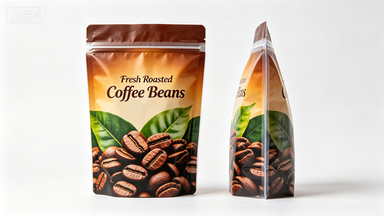
️ Stand-up pouches, which offer shelf visibility and are well suited to snacks, nuts, and pet food
️ Spout bags, designed for liquid or semi-liquid products that need a resealable pour point
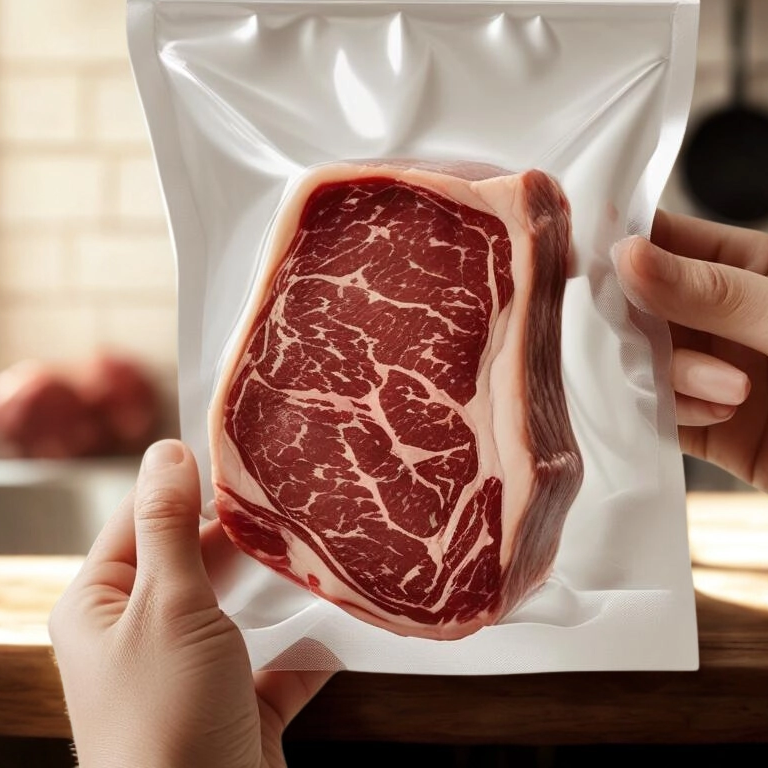
️ Vacuum bags, which remove air to extend shelf life for items like coffee or cured meats
️ Flat-bottom bags, which provide stability for display and are common for coffee and tea
️ Roll film, used in automated packaging lines for high-volume snack and confectionery production
Businesses sourcing
plastic bags for food often start with stand-up pouches for retail shelf appeal, while buyers focused on bulk or industrial use tend to prioritize roll film for automated filling lines. The table below compares these formats directly.
When sourcing a plastic pouch with zip for resealable snack or bulk goods packaging, confirm that the zipper component itself has been tested alongside the film, since closure hardware can introduce a separate contamination risk if it isn't manufactured to the same food-grade standard.
For buyers comparing suppliers, a useful rule of thumb applies: a bag with simple, single-use sealing is better suited for products with short shelf lives and tight margins, while a resealable or vacuum format works best when the product needs extended freshness after the first opening.
Which Food-Contact Regulations Should Packaging Bags Meet?
Packaging intended for global markets needs to satisfy more than one regulatory framework, since requirements differ by region. A bag compliant in one market isn't automatically compliant in another.
Key regulatory frameworks to check include:
EU regulations (such as Regulation (EC) No 1935/2004 and related measures) governing materials intended for food contact across the European Union
U.S. FDA requirements under Title 21 of the Code of Federal Regulations, which set migration and composition limits for food-contact substances
Middle East food-contact standards
Middle East food-contact standards, which often reference GCC or regional conformity requirements for imported packaging materials
Heavy metal and migration testing
Heavy metal and migration testing, confirming that no harmful substances transfer from the packaging into the food during storage or transport
Documentation and traceability
Documentation and traceability, including batch-level test reports that back up compliance claims with verifiable data
A supplier that can produce test reports for each of these areas — rather than a general compliance statement — gives buyers a much stronger basis for due diligence.
How Are Food-Grade Composite Films Verified for Safety?
Verification happens through a mix of material testing, in-process quality checks, and independent lab review, not a single pass/fail inspection at the end of production. Food-grade composite films meet global food-contact regulations, verified by an independent QC lab throughout the process, rather than only at the final stage before shipment.
This staged approach typically includes:
This layered verification matters because food packaging failures are rarely visible to the naked eye. A laminate bond that looks fine can still fail a migration test, which is why third-party lab confirmation carries more weight than visual inspection alone.
Raw material inspection before lamination begins, confirming resin grade and supplier certification
In-line quality checks during printing, laminating, and bag-making, catching defects before they reach finished stock
Independent lab verification of finished film samples against target regulatory standards
Batch documentation, so buyers can trace a specific shipment back to its test results
Selecting food grade plastic packaging bags comes down to three connected decisions: the laminate structure and resin composition, the regulatory frameworks the material has been tested against, and the packaging format best suited to the product's shelf-life and handling needs. Suppliers like Maixin Packaging (www.maixinpackingtech.com) build compliance into material selection from the start, backing it with independent lab verification rather than relying on general claims. For businesses evaluating options, the safest approach is to request documented test reports covering EU, U.S., and Middle East standards, confirm which format — whether a pouch, spout bag, or vacuum bag — matches the product's barrier requirements, and verify that any closure components, such as zippers, have been tested alongside the base film rather than assumed compliant by association.