




Packaging does more than wrap a product. It protects freshness, blocks moisture, and keeps light, oxygen, and odors from compromising what's inside. For industries ranging from food and beverage to pharmaceuticals and electronics, flexible barrier materials have become the standard for safeguarding product integrity from the production line to the end user's hands.
Among these materials, foil-based packaging stands out for its strength, adaptability, and barrier performance. Businesses looking to extend shelf life, reduce spoilage, or meet strict regulatory standards often turn to these solutions as a practical and cost-effective choice.
This post breaks down what makes flexible foil packaging so effective, where it's used, and what to look for when selecting a trustworthy supplier.
Understanding Flexible Barrier Packaging Materials
Flexible barrier packaging typically combines multiple layers of film, each serving a distinct purpose. One layer might provide strength and puncture resistance, while another blocks light or moisture. At the core of many high-performance designs sits a thin metallic layer that delivers superior barrier protection against oxygen, water vapor, and UV exposure.
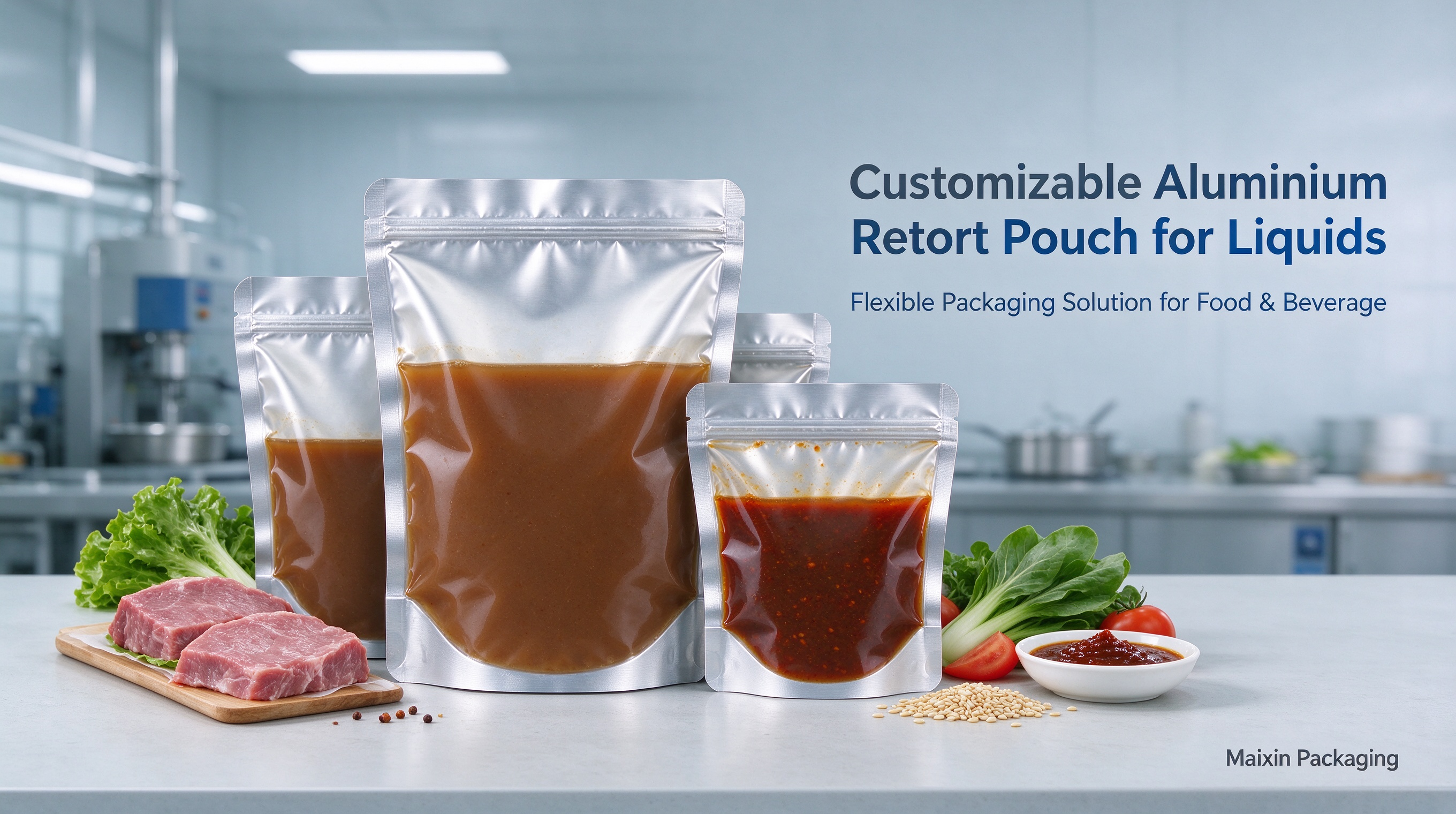
An aluminium foil pouch exemplifies this layered approach. By sandwiching a foil layer between protective films, manufacturers create packaging that keeps contents fresh far longer than standard plastic alternatives. This construction method has made flexible foil solutions a go-to choice for products sensitive to environmental degradation, including coffee, pet food, nutraceuticals, and single-use medical items.
The appeal isn't just functional. These materials are lightweight, which reduces shipping costs and environmental footprint compared to rigid packaging like glass or metal cans. They also take up less storage space, both before and after filling, which matters for businesses managing tight warehouse logistics.
Key Features That Make These Solutions Effective
Not all flexible packaging performs the same way. The table below outlines core features that distinguish high-quality foil-based packaging from lower-grade alternatives.
Feature | Why It Matters | Common Applications |
|---|---|---|
Multi-layer barrier protection | Blocks oxygen, moisture, and light to preserve freshness | Coffee, snacks, pharmaceuticals |
Puncture and tear resistance | Reduces product loss during handling and transport | Pet food, bulk ingredients |
Heat-sealable closures | Ensures airtight seals that maintain barrier integrity | Single-serve sachets, resealable bags |
Custom printing options | Supports branding and regulatory labeling requirements | Retail-ready consumer goods |
Recyclable or mono-material options | Addresses sustainability goals and evolving regulations | Eco-conscious consumer brands |
Each of these features plays a role in determining whether packaging holds up through manufacturing, shipping, and shelf storage. A product that loses its barrier integrity partway through the supply chain can spoil, degrade, or become unsafe for use, which makes material selection a genuinely technical decision rather than a purely aesthetic one.
Common Applications Across Industries
Flexible foil packaging shows up in more places than most people realize. In food service, resealable formats keep coffee, snacks, and dried goods fresh after opening. In pharmaceuticals, barrier films protect sensitive compounds from humidity and light that could reduce potency. Electronics manufacturers rely on anti-static variants to shield circuit boards and components during shipping.
An aluminium foil bag used for powdered supplements, for example, needs to prevent moisture ingress that could cause clumping or spoilage. The same barrier principles apply whether the contents are a food product, a chemical compound, or a medical device component. What changes is the specific film composition, thickness, and sealing method required to meet the product's unique sensitivities.
Industrial and agricultural sectors also use these materials for packaging seeds, fertilizers, and chemical additives that require protection from humidity and temperature fluctuations. The versatility of flexible barrier films explains why demand continues to grow across such a wide range of sectors.
Selecting a Reliable Supplier for Flexible Packaging
Choosing the right supplier matters as much as choosing the right material. Quality inconsistencies in foil-based packaging can lead to seal failures, barrier breaches, or printing defects that affect both product safety and brand reputation.
When evaluating a potential partner, look for a few specific indicators of reliability:
Manufacturing certifications: Look for ISO certifications and, where applicable, food-grade or pharmaceutical-grade compliance documentation. These certifications confirm that a facility follows consistent quality control processes.
Production capacity and lead times: A supplier should be able to scale output to match your demand without sacrificing quality or missing delivery windows.
Customization capabilities: The ability to adjust film thickness, add resealable zippers, or incorporate custom printing gives brands flexibility to match packaging to specific product needs.
Quality testing protocols: Reputable suppliers conduct regular barrier testing, seal strength testing, and material inspections to catch defects before products ship.
Choose a supplier with in-house testing and proven industry experience if consistent barrier performance matters more than the lowest unit price. For businesses with highly sensitive products, like pharmaceuticals or specialty foods, this trade-off usually favors quality assurance over cost savings.
An established aluminum foil bag manufacturer, such as the team behind www.maixinpackingtech.com, typically offers both the technical expertise and production infrastructure needed to deliver consistent, high-barrier packaging at scale. Reviewing a supplier's portfolio, requesting material samples, and asking for test data are practical steps that help confirm whether a manufacturer can meet your specific requirements.
Frequently Asked Questions About Flexible Foil Packaging
What makes foil-based packaging different from standard plastic packaging?
Foil-based packaging includes a metallic barrier layer that blocks oxygen, moisture, and light far more effectively than standard plastic films alone. This added protection significantly extends shelf life for sensitive products.
How long does flexible foil packaging typically last on the shelf?
Shelf life depends on the product and film composition, but high-barrier foil packaging commonly extends freshness by several months to over a year compared to basic plastic packaging, particularly for dry goods and powders.
Is flexible foil packaging recyclable?
Recyclability depends on the specific material composition. Some manufacturers now offer mono-material or recyclable-compatible options that maintain barrier performance while supporting sustainability goals.
What industries rely most heavily on this type of packaging?
Food and beverage, pharmaceuticals, nutraceuticals, electronics, and agricultural chemical companies are among the heaviest users, largely due to their need for moisture and oxygen protection.
What should a business consider before switching packaging suppliers?
Key considerations include certification compliance, production capacity, customization options, and quality testing protocols. Requesting samples and reviewing a supplier's track record with similar products helps reduce the risk of switching to an unreliable partner.
Choosing Packaging That Protects What Matters
Flexible barrier packaging has earned its place across food, pharmaceutical, and industrial sectors because it solves a genuine problem: keeping sensitive products safe from environmental damage without adding unnecessary weight or cost. The right combination of materials, features, and supplier expertise determines whether packaging performs as expected over its full shelf life.
In short, flexible foil packaging combines multi-layer barrier protection with lightweight, customizable design to extend product freshness and reduce spoilage. Businesses evaluating packaging options should prioritize suppliers with proven certifications, robust testing protocols, and the technical capability to match film composition to their product's specific sensitivities. Taking time to compare these factors upfront helps avoid costly quality issues down the line.
