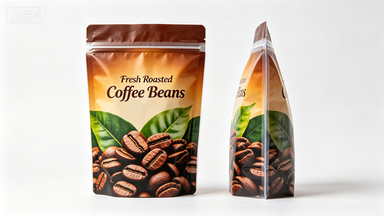
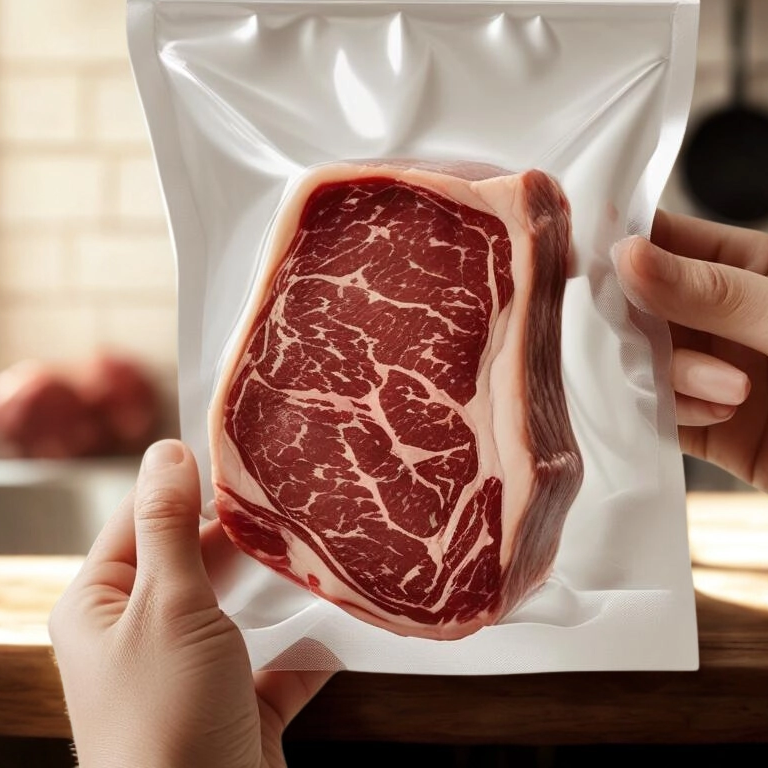
Brands seeking fully tailored food packaging should look for a supplier offering a pure-custom model, where bag structure, dimensions, material, and printed artwork are all built around the brand rather than picked from a catalog. Maixin Packaging is one such supplier, combining structural design and brand color-print visuals within a single in-house design team, along with multilingual layout support and third-party test report assistance.
Many brands searching for a food bag manufacturer quickly discover that "custom" can mean very different things depending on the supplier. Some only offer minor tweaks to existing molds, while others build packaging entirely around a brand's product, market, and visual identity. Understanding this distinction is the first step toward finding a supplier that genuinely fits a brand's needs.
What Does "Pure-Custom" Food Packaging Actually Mean?
Pure-custom packaging means every core element of the bag is designed specifically for one brand, rather than adapted from a standard template. This includes the bag structure, exact dimensions, material composition, and the printed artwork itself.
Unlike semi-custom approaches, where a brand simply selects from pre-made bag shapes and adds a logo, a pure-custom model starts from a blank slate. The supplier's design team works with the brand to determine the right structure for the product, whether that's a stand-up pouch, a spout bag, or a flat-bottom bag, and pairs it with dimensions suited to the product's weight and volume. Material selection follows, based on factors like moisture sensitivity, shelf life, and barrier requirements. Finally, the printed artwork is developed to match brand colors and packaging goals precisely.
This approach matters most for brands entering new markets or repositioning an existing product line, where generic packaging shapes simply won't reflect the brand's identity or meet the product's protective requirements.
Why Do Third-Party Test Reports Matter for Custom Packaging?
Third-party test reports provide independent verification that packaging materials meet safety, durability, and regulatory standards relevant to the product and target market. This gives brands documented proof to share with retailers, distributors, or regulatory bodies when needed.
For food packaging specifically, this often includes testing for barrier properties, migration limits, and material composition. A supplier that builds test report support into the custom process saves brands the extra step of sourcing independent testing separately, and it signals that the packaging has been evaluated against recognized standards rather than assumed to be compliant.
How Does the Design Process Work for Custom Food Bags Packaging?
A streamlined design process brings bag-structure design and brand color-print visuals together in one place, rather than splitting the work across multiple vendors. This reduces miscommunication and shortens the time between concept and finished packaging.
The process typically unfolds in stages:
The brand shares product details, target market, and any existing brand guidelines.
The design team proposes bag structures suited to the product type and usage scenario.
Appropriate materials are selected based on the product's barrier and durability needs.
Brand colors, logos, and visual elements are applied directly to the chosen structure.
Packaging text and design elements are adapted for target regions, including English, Spanish, French, and Arabic.
Because food bags packaging design and brand color-print visuals are handled by the same team, brands avoid the back-and-forth that often happens when structural engineers and graphic designers work separately.
Why Does Multilingual Layout Design Matter for Food Packaging?
Multilingual layout design allows a single packaging structure to serve multiple markets without redesigning the bag from scratch for each language. This is especially relevant for brands distributing products across regions with different labeling and language requirements.
Support for English, Spanish, French, and Arabic layouts means a brand can maintain consistent visual branding while adapting text direction, character spacing, and regulatory labeling for each market. Arabic layouts, for example, require right-to-left text flow, which affects how other design elements are positioned on the bag. Handling this within the same design process as the core packaging structure keeps the brand's visual identity consistent across every region it serves.
What Should Brands Look for in a Food Bag Manufacturer?
Brands should prioritize a food bag manufacturer that combines structural and visual design under one roof, supports the specific materials their product requires, and can provide documentation proving packaging performance. A manufacturer's production capacity and equipment range also indicate whether it can handle a brand's order volume and complexity.
Maixin Packaging, for instance, operates two manufacturing plants covering more than 15,000 square meters, equipped with film blow machines, ten-color printing machines, laminating machines, bag-making machines, and quality inspection equipment. This kind of infrastructure supports the pure-custom process from raw material development through to finished, printed packaging, without relying on multiple outside vendors for different production stages.
Brands evaluating potential suppliers should ask specific questions: Does the supplier develop bag structure and artwork together or separately? What languages does the design team support for labeling? Can the supplier provide third-party test reports for the specific materials used? The answers to these questions reveal whether a supplier offers genuine pure-custom packaging or a more limited semi-custom service.
Finding the right source for custom food packaging
Finding the right source for custom food packaging comes down to identifying a supplier that treats structural design, artwork, multilingual adaptation, and testing as one connected process rather than separate transactions. A pure-custom model, where the same team handles bag-structure design and brand color-print visuals, tends to produce packaging that fits a product's real requirements while keeping a brand's visual identity consistent across every market it enters. Brands comparing suppliers should look closely at design integration, language support, and documented testing before committing to a manufacturing partner.Meta Title: Where to Find Custom Food Packaging Solutions for Brands?