Exporting food products means more than finding the right buyer overseas. It also means protecting your goods through customs checks, long shipping routes, and fluctuating climates — all without compromising freshness or safety. The packaging you choose plays a decisive role in whether your shipment arrives in sellable condition or gets rejected at the border.
For exporters new to international trade, sourcing a dependable packaging partner can feel overwhelming. Certifications, minimum order quantities, material specifications, and lead times all need to align with your product category and destination market. Get it wrong, and you risk spoilage, customer complaints, or compliance issues that delay your shipments indefinitely.
This guide breaks down what to look for when vetting a packaging partner, how to evaluate their production capabilities, and which red flags should make you walk away. Whether you're shipping snacks, coffee, pet treats, or sauces, the principles below will help you choose a supplier who can scale with your business.
Why Export-Ready Packaging Matters More Than You Think
Domestic packaging standards rarely meet the requirements of international shipping.
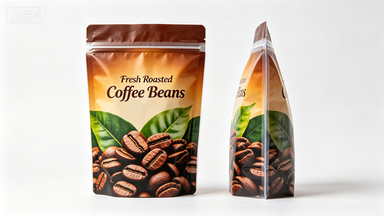
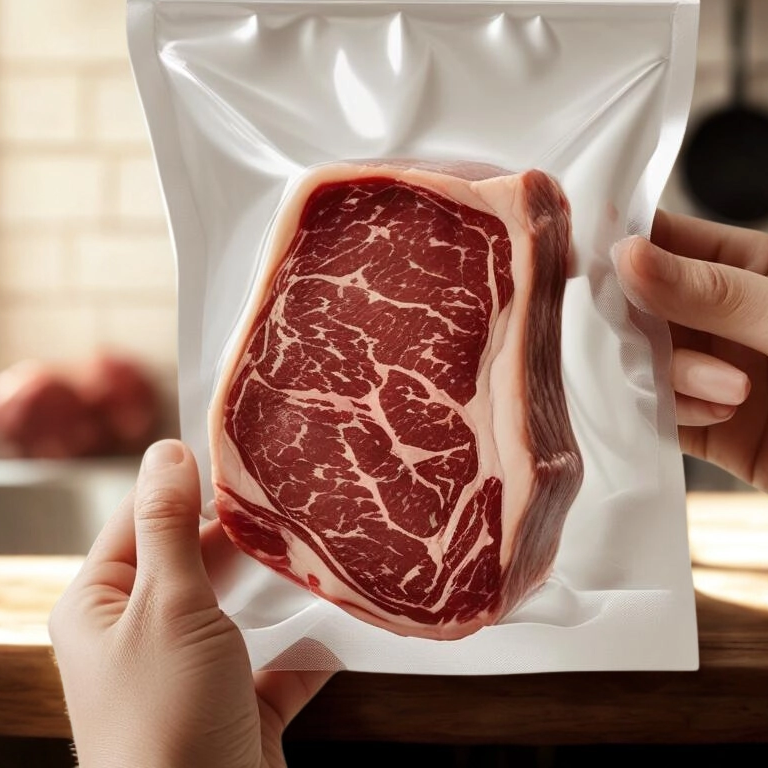
Products crossing oceans face humidity swings, temperature changes, and extended transit times that can degrade seals, weaken materials, or allow moisture to seep in. A supplier experienced in producing food packages for export understands these variables and designs accordingly, using barrier materials and reinforced seals that hold up over weeks at sea.
Export compliance adds another layer of complexity. Many destination countries require specific labeling, material disclosures, or certifications (such as FDA approval, BRC, or ISO 9001) before goods can clear customs. A supplier unfamiliar with these requirements can unknowingly put your entire shipment at risk, regardless of how good the product inside the bag is.
What Certifications Should a Packaging Supplier Hold?
Look for suppliers who can provide documentation for food-grade material safety, hygiene standards, and quality management systems. Common certifications include ISO 9001 for quality management, BRC or SGS for food safety compliance, and FDA registration if you're shipping to the United States. Ask for certificates upfront rather than waiting until after you've placed an order — a reputable manufacturer will have these ready to share.
Should You Request Samples Before Placing a Bulk Order?
Yes. Always request physical samples before committing to a large order. Samples let you test seal strength, print quality, material thickness, and overall durability under conditions similar to your actual shipping environment. If a supplier refuses to send samples or charges excessive fees for them, treat that as a warning sign.
Comparing Supplier Evaluation Criteria
Use the table below as a quick reference checklist when comparing potential partners for your food plastic bag packaging needs.
How Do You Evaluate a Packaging Manufacturer's Production Capacity?
Before committing to a supplier, you need to understand whether their facility can actually meet your volume and timeline requirements. A well-equipped food bags factory should have multiple production lines, in-house quality inspection equipment, and enough staff to handle both current orders and future growth without extending lead times.
Ask potential suppliers these questions during your evaluation:
How many production lines and machines do they operate?
What is their average turnaround time for custom orders?
Do they perform in-line quality inspections, or only final checks?
Can they handle seasonal demand spikes without delays?
What is their defect rate, and how do they handle reorders for faulty batches?
Suppliers who hesitate to answer these questions directly, or who can't provide specific numbers, may not have the infrastructure to support a growing export business.
Why Does Location and Scale Matter When Choosing a Packaging Supplier?
Zhongshan sits within the Pearl River Delta manufacturing corridor, one of the most concentrated flexible packaging production regions in the world. This location gives Maixin Packaging proximity to raw material suppliers, specialist film producers, and logistics infrastructure that serves export markets efficiently.
For buyers outside China, that geography translates to shorter lead times on materials, competitive pricing relative to suppliers in higher-cost manufacturing regions, and an established export process. Maixin ships to global markets and accepts inquiries through multiple contact channels, including direct email at sales@maixinpackingtech.com and WhatsApp for faster communication across time zones.
If you're focused solely on price, watch for these red flags:
Refusal to share certification documents — Avoid suppliers who hide compliance proof or give vague answers about production timelines.
Pressure for large orders before sampling — Be wary of suppliers pushing massive orders before you've tested a sample.
Unusually low prices — Prices significantly lower than the market often indicate corners being cut on material quality or compliance.
Poor communication — If they take days to respond to basic sales questions now, delays will likely worsen once you're dealing with active production issues or shipping deadlines.
Choosing a Supplier for Long-Term Export Success
Finding a dependable packaging partner isn't a one-time transaction — it's a relationship that needs to scale as your export business grows. Prioritize suppliers who combine proper certifications, transparent production practices, and responsive communication over those offering the lowest possible price.
Before signing any agreement, request samples, verify certifications directly, and ask detailed questions about production capacity and lead times. A supplier who answers confidently and provides documentation without hesitation is far more likely to become a reliable long-term partner than one who avoids specifics.
In short: vet thoroughly, test before you commit, and choose a manufacturer whose capabilities match both your current order size and your future growth plans. Doing this groundwork upfront will save you from costly delays, rejected shipments, and damaged customer relationships down the road.