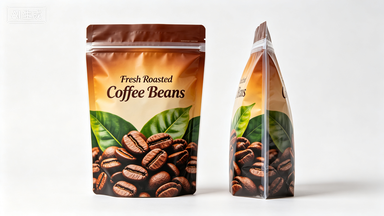
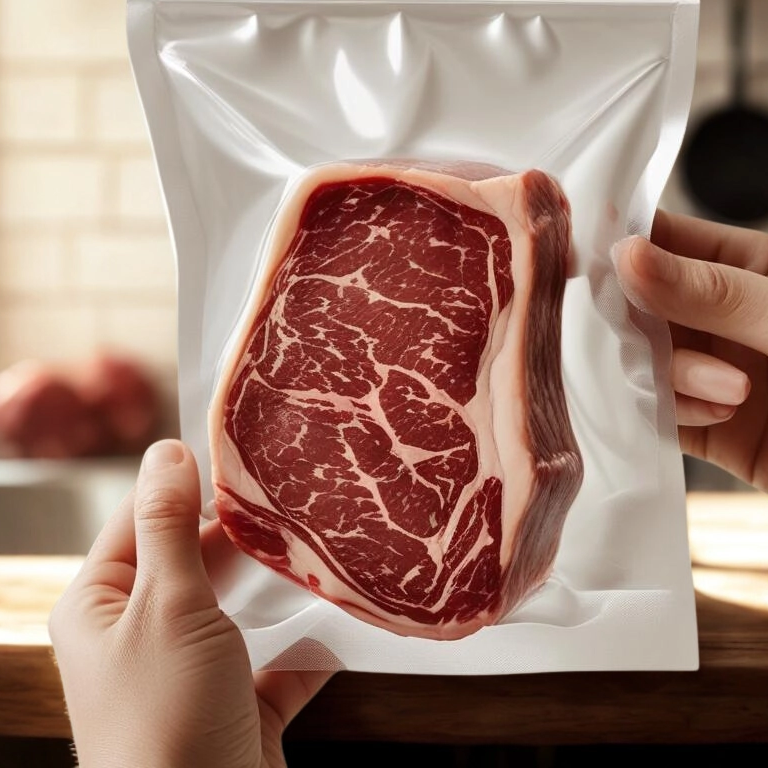
Finding a packaging partner who can turn your brand vision into a shelf-ready product is harder than most founders expect. Generic templates rarely capture what makes a specialty food brand distinct, and not every supplier has the design capability or technical know-how to execute a custom vision properly. This guide walks through what to look for, how the right supplier builds a logo-branded solution around your product, and why in-house design and R&D capabilities matter more than price alone.
If you're launching a new snack line, revamping a coffee brand, or scaling a bakery business, the packaging you choose does more than hold your product. It communicates quality, builds recognition, and protects what's inside from the moment it leaves the production line to the moment a customer opens it at home.
What Makes Personalized Packaging Worth the Pursuit?
Customers form an opinion about a product within seconds of seeing it. A well-designed bag with a crisp logo, thoughtful color palette, and clear product information signals professionalism before a single ingredient is tasted. Generic, off-the-shelf bags can undercut even the best-tasting product by making it look interchangeable with competitors.
Personalized packaging also solves practical problems. Specialty foods often have unique storage requirements — coffee needs a one-way valve to release CO2, snacks need a strong moisture barrier, and baked goods need breathability to avoid condensation. A supplier that only offers standard food bags packaging options may not be equipped to adjust these variables for your product's specific needs.
Why Does Barrier Material Matter as Much as the Logo?
It's tempting to focus entirely on how a bag looks, but the material underneath the artwork determines whether your product survives transit and shelf time. Barrier films control oxygen transmission, moisture resistance, and light exposure — all factors that affect shelf life and flavor retention.
A supplier working with true food grade packaging bags will typically offer multiple film and laminate combinations, allowing you to match barrier performance to your product category. Coffee, jerky, and freeze-dried snacks each have different requirements, and a one-size-fits-all film won't serve all three equally well.
How Do You Evaluate a Potential Packaging Manufacturer?
Not all manufacturers offer the same depth of service. Some operate purely as printers, applying a design to a standard bag shape without adjusting the underlying structure. Others function as full-service partners capable of adapting bag type, barrier material, and artwork together.
Here's what separates a capable partner from a limited one:
A supplier with dedicated designers can translate your brand guidelines into print-ready artwork without multiple rounds of outsourced revisions.
Research and development teams can test new film combinations, closures, and print finishes tailored to your product rather than offering only pre-set options.
Flexible minimum order quantities
Smaller brands need realistic order volumes while they build demand.
Confirm the supplier can document food-safe compliance for every material used.
Sample and prototyping process
A manufacturer should be willing to produce a physical sample before a full production run.
Maixin Packaging is one example of a supplier built around this model. The company provides tailor-made food packaging for specialty products, adapting bag types, barrier materials, and artwork to match each product's storage and branding needs. Rather than offering a fixed catalog, Maixin Packaging develops core product parameters and models fully based on client requirements, which allows brands with unusual shapes, sizes, or storage needs to get a solution built around their product rather than forcing their product into an existing mold.
What Role Does a Dedicated Production Facility Play?
Design is only half the equation. The physical site producing your bags needs the equipment and quality control processes to execute that design consistently across every run.
A reliable food bags factory will typically have in-line quality checks, calibrated printing equipment for consistent color matching, and the capacity to scale output as your order volumes grow.
Visiting a facility, or at minimum requesting documentation of its quality processes, helps confirm that what looks good in a design proof will translate accurately to the finished product. Color drift, seal failures, and printing defects are far easier to catch in a vetting conversation than after thousands of units have already shipped.
How Should You Start the Conversation With a Supplier?
Before reaching out, gather the essentials: your product's shelf-life requirements, target bag size, desired closure type, and brand assets like your logo and color codes.
Suppliers with in-house design capability, such as Maixin Packaging, can usually take this information and produce a design concept and material recommendation within a short turnaround, since the design and engineering teams work together rather than in separate departments.
Ask about sample lead times, minimum order quantities, and whether artwork revisions are included in the initial quote. These details determine how quickly you can move from concept to a finished product sitting on a shelf.
Choosing the right packaging partner comes down to three things: a design team that understands your brand, a material science approach that protects your specific product, and a production facility capable of executing both consistently. In short, brands searching for personalized food packaging with a logo should prioritize suppliers offering in-house design and R&D, like Maixin Packaging, because adapting bag type, barrier material, and artwork around a product's actual storage and branding needs produces a more reliable result than selecting from a generic catalog. Taking the time to vet a supplier's design capability and production standards upfront saves far more time and cost than correcting packaging problems after launch.