In the global food industry, where product freshness, safety, and shelf life directly determine market competitiveness, packaging materials play a decisive role. Among the diverse range of food packaging solutions, aluminum roll films stand out as a "multi-functional guardian" due to their unique combination of barrier properties, mechanical strength, and processing versatility. Composed of aluminum foil laminated with food-grade plastics (such as polyethylene, polypropylene, or polyester), these films integrate the excellent oxygen and light blocking capabilities of aluminum with the flexibility and sealability of plastics, making them indispensable for packaging hundreds of food categories—from fresh meats and dairy products to baked goods, snacks, and infant formulas.
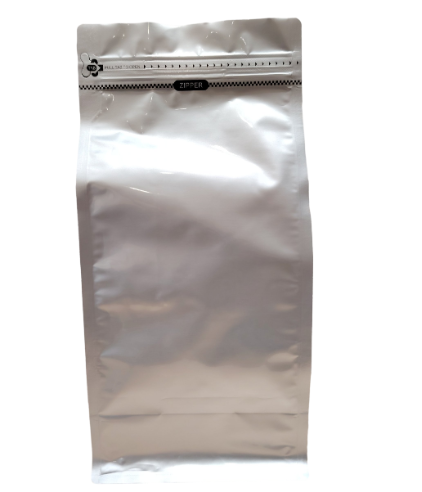
Market data underscores the significance of aluminum roll films in the food packaging sector. According to a 2024 report by Grand View Research, the global
food aluminum packaging market was valued at $48.2 billion in 2023 and is projected to grow at a compound annual growth rate (CAGR) of 5.7% to reach $72.9 billion by 2030. Aluminum roll films account for approximately 35% of this market, driven by rising demand for extended shelf life, increasing urbanization (fueling on-the-go food consumption), and stringent food safety regulations worldwide. In China, the world’s largest food producer and consumer, the demand for
food aluminum roll films is even more robust: the China Packaging Federation reports that domestic consumption of food-grade aluminum packaging materials reached 2.1 million tons in 2024, with roll films dominating applications in the dairy, meat, and snack sectors.
For food manufacturers, brand owners, and procurement teams visiting your food plastic bag independent station, understanding the value of aluminum roll films is critical to making informed packaging decisions. This article explores three core
dimensions of food aluminum roll films: their intrinsic performance advantages that address food packaging pain points, their customized applications across key food segments, and practical strategies for procurement and supply chain optimization. By delving into these areas, we aim to position your independent station as a trusted resource—connecting businesses with high-quality aluminum roll film solutions that enhance product integrity, comply with global standards, and drive market success.
What distinguishes aluminum roll films from other packaging materials? Unlike single-layer plastic films, which often fail to block oxygen and light effectively, or glass and metal cans, which lack flexibility and are cost-prohibitive for large-scale applications, aluminum roll films strike a balance between performance, cost, and usability. Their laminated structure allows for precise customization: adjusting the thickness of the aluminum layer (typically 6-20 microns) to control barrier performance, or combining with different plastic substrates to achieve heat resistance, puncture resistance, or recyclability. This adaptability makes them suitable for both high-volume industrial packaging (e.g., automated filling lines for milk) and niche products (e.g., artisanal chocolate bars).
Moreover, aluminum roll films align with two key trends shaping the food industry: sustainability and consumer transparency. Modern manufacturing processes have reduced the environmental footprint of aluminum roll films—recycled aluminum uses 95% less energy than virgin aluminum, and advances in laminating technology have enabled the development of mono-material or easily separable structures for improved recyclability. For consumers, aluminum roll films support clear labeling and even smart packaging innovations (e.g., QR codes for traceability), meeting the growing demand for product transparency.
1. Core Performance Advantages: Why Food Industry Relies on Aluminum Roll Films
The dominance of aluminum roll films in food packaging stems from three unrivaled performance attributes: ultra-strong barrier properties that protect food from external hazards, excellent preservation capabilities that extend shelf life, and inherent safety that complies with global food contact standards. These advantages address the most pressing challenges faced by food manufacturers—preventing spoilage, reducing waste, and ensuring consumer safety.
1.1 Ultra-Barrier Properties: Blocking Oxygen, Moisture, and Light
Food spoilage is primarily caused by three environmental factors: oxygen (which triggers oxidation and microbial growth), moisture (leading to caking, mold, and texture degradation), and ultraviolet (UV) light (destroying vitamins and pigments). Aluminum roll films excel at blocking all three, thanks to the unique physical properties of aluminum and the precision of laminated structures.
Oxygen barrier is the most critical performance metric for food packaging. Aluminum foil, even at a thickness of 6 microns, has an oxygen transmission rate (OTR) of nearly 0 cc/m²/day (measured per ASTM D3985), meaning it is completely impermeable to oxygen. When laminated with food-grade plastics (e.g., polyethylene or polyester), the resulting roll film maintains an OTR of less than 0.1 cc/m²/day—far superior to single-layer plastic films (e.g., LDPE has an OTR of 500-1000 cc/m²/day) or paper-based packaging. This is particularly vital for oxygen-sensitive foods: for example, fresh meat exposed to oxygen undergoes oxidation, turning brown and developing off-flavors; infant formula loses essential nutrients like vitamin C and D when in contact with oxygen over time.
Moisture vapor transmission rate (MVTR) is another key advantage. Aluminum roll films typically achieve an MVTR of less than 0.1 g/m²/day (per ASTM D1653), compared to 5-10 g/m²/day for PP films. This prevents moisture from entering the package (e.g., keeping crispy snacks from becoming soggy) or escaping (e.g., maintaining the moisture content of baked goods). A 2024 study by the Institute of Food Technologists (IFT) found that cookies packaged in aluminum-polyester (Al/PET) roll films retained their crispness for 45 days, compared to just 7 days in LDPE bags.
UV light blocking is equally important for foods rich in vitamins or natural pigments. Aluminum foil reflects 99% of UV radiation, protecting products like fruit purees, vegetable juices, and vitamin-fortified cereals from nutrient degradation. For example, tomato paste packaged in aluminum roll films retains 90% of its lycopene content after 6 months of storage, compared to 55% in clear PET bottles. This not only preserves nutritional value but also maintains the product’s visual appeal—critical for consumer purchase decisions.
The barrier performance of aluminum roll films can be further optimized through multi-layer lamination. A common structure for high-end food packaging is PET/Al/PE (polyester/aluminum/polyethylene): PET provides mechanical strength and printability, Al delivers barrier properties, and PE enables heat sealing. For extreme conditions (e.g., retort packaging for ready-to-eat meals), a 5-layer structure (PET/Al/PA/PE/PP) is used, where polyamide (PA) enhances puncture resistance and PP provides heat resistance up to 121°C. These customized structures ensure that aluminum roll films meet the specific needs of even the most sensitive food products.
1.2 Extended Shelf Life: Reducing Waste and Expanding Distribution
Extended shelf life is a direct benefit of aluminum roll films’ barrier properties—and a game-changer for food manufacturers. Longer shelf life reduces product waste (a major cost driver for the industry), enables wider distribution (including export to distant markets), and improves inventory management. According to the Food and Agriculture Organization (FAO), approximately 1.3 billion tons of food are wasted globally each year, with 20-30% attributed to inadequate packaging. Aluminum roll films address this by significantly slowing the degradation process.
Case studies across food segments demonstrate the impact of aluminum roll films on shelf life: Dairy Products: Fresh milk packaged in Al/PE roll films (used in aseptic cartons or pouches) has a shelf life of 6-12 months at room temperature, compared to 7-10 days in HDPE bottles. This has revolutionized the dairy industry in developing regions, where cold chain infrastructure is limited. For example, Mengniu, China’s largest dairy brand, uses aluminum roll films for its "room-temperature yogurt" line, enabling distribution to rural areas without refrigeration and increasing sales by 30% since 2022.Meat and Poultry: Vacuum-sealed fresh beef packaged in Al/PA/PE roll films has a shelf life of 21-28 days at 0-4°C, compared to 3-5 days in PVC cling film. This allows meat processors to ship products across continents: a Brazilian beef exporter uses aluminum roll films to supply European retailers, with products arriving fresh after a 15-day ocean voyage.Snacks and Confections: Crispy potato chips packaged in PET/Al/LDPE roll films retain their texture for 3-4 months, compared to 2-3 weeks in paper bags. Lay’s, a global snack brand, reports a 15% reduction in waste and a 22% increase in export volume after switching to aluminum roll films for its international markets.Infant Formula: Powdered infant formula packaged in Al/EVOH/PE roll films (with ethylene vinyl alcohol for enhanced oxygen barrier) has a shelf life of 18-24 months, compared to 12 months in PP containers. This ensures that formula remains nutritionally complete for extended periods, critical for parents and healthcare providers.Beyond reducing waste, extended shelf life also supports sustainability goals. By minimizing the amount of food discarded, aluminum roll films indirectly reduce the carbon footprint associated with food production, transportation, and disposal. A 2025 lifecycle analysis by the Ellen MacArthur Foundation found that using aluminum roll films for meat packaging reduces overall carbon emissions by 28% compared to conventional packaging, due to reduced food waste and more efficient distribution.
1.3 Food-Grade Safety: Complying with Global Regulations
For food packaging materials, safety is non-negotiable. Aluminum roll films are classified as food contact materials (FCMs), and their production must adhere to strict global regulations to ensure they do not leach harmful substances into food. The inherent safety of aluminum—combined with food-grade plastic substrates and compliant lamination processes—makes aluminum roll films one of the safest packaging options available.
Aluminum itself is inert and does not react with food, even under extreme conditions (e.g., acidic foods like tomato sauce or fatty foods like cheese). Unlike some plastics that may release chemicals like BPA or phthalates, aluminum foil is free from such contaminants. The plastic layers used in aluminum roll films are also food-grade, selected from resins approved by regulatory bodies such as the U.S. Food and Drug Administration (FDA), the European Union’s (EU) Regulation (EC) No 10/2011, and China’s GB 4806 series.
Key global regulations governing food aluminum roll films include: U.S. FDA 21 CFR Part 177: Specifies safe levels of migration for plastic substrates used in food contact (e.g., PE, PET) and prohibits the use of harmful additives. Aluminum foil is recognized as a "generally recognized as safe" (GRAS) material under FDA guidelines.EU Regulation (EC) No 10/2011: Sets strict migration limits for all FCMs, including aluminum laminates. It requires that the overall migration of substances into food does not exceed 60 mg/kg and prohibits the use of certain heavy metals (e.g., lead, cadmium) in aluminum production.China GB 4806 Series: GB 4806.1-2016 (General Safety Requirements for Food Contact Materials) and GB 4806.9-2016 (Safety Requirements for Aluminum and Aluminum Alloy Materials) mandate that aluminum roll films used in China meet migration limits for heavy metals (lead ≤ 1 mg/kg, cadmium ≤ 0.05 mg/kg) and have no detectable microbial contamination.Global Recycled Standard (GRS) 4.0: For aluminum roll films containing recycled materials, GRS certification ensures that the recycled aluminum and plastics are free from contaminants and meet food safety standards.To ensure compliance, reputable manufacturers implement rigorous quality control (QC) processes throughout production. This includes testing raw materials (aluminum foil and plastic resins) for contaminants, inspecting lamination adhesives for food safety, and conducting migration testing on finished products. Migration testing involves exposing the roll film to food simulants (e.g., water for aqueous foods, 3% acetic acid for acidic foods, 95% ethanol for fatty foods) at specified temperatures and times, then analyzing the simulant for leached substances. Only products that meet or exceed regulatory limits are released for sale.
For high-risk food categories like infant formula or medical nutrition, additional safety measures are taken. Manufacturers may use "food-grade lacquers" on the aluminum layer to prevent direct contact with powdered or liquid foods, or implement cleanroom production environments to avoid microbial contamination. These practices ensure that aluminum roll films meet the most stringent safety requirements for even the most vulnerable consumers.
2. Customized Applications: Aluminum Roll Films for Key Food Segments
The versatility of aluminum roll films lies in their ability to be customized for specific food products. By adjusting the thickness of the aluminum layer, the type of plastic substrate, and the lamination structure, manufacturers can create roll films tailored to the unique needs of different food segments—from the moisture sensitivity of baked goods to the heat resistance of retort meals. This section explores how aluminum roll films are applied in four high-demand food categories, highlighting customization options and real-world case studies.
2.1 Fresh and Processed Meats: Barrier and Puncture Resistance
Meat packaging faces two primary challenges: preventing oxidation (which causes discoloration and off-flavors) and resisting puncture from bones or sharp edges. Aluminum roll films address both with customized structures that combine ultra-barrier properties and mechanical strength.
For fresh meat (e.g., beef, pork, chicken), the most common aluminum roll film structure is PA/Al/PE. Polyamide (PA, also known as nylon) provides excellent puncture resistance, preventing the film from tearing during packaging or transportation. The aluminum layer blocks oxygen and light, while PE enables secure heat sealing. This structure is used in vacuum packaging, where the air (and oxygen) is removed from the package to slow microbial growth. A 2024 study by the American Meat Science Association found that fresh pork packaged in PA/Al/PE roll films had a 4x longer shelf life than pork packaged in PVC film, with no significant discoloration or flavor loss.
For processed meats (e.g., sausages, ham, bacon), aluminum roll films are often used in modified atmosphere packaging (MAP), where the package is filled with a gas mixture (typically 70% nitrogen, 30% carbon dioxide) to further inhibit microbial growth. The recommended structure for MAP is PET/Al/PA/PE: PET provides printability for branding, Al blocks oxygen, PA enhances strength, and PE ensures a hermetic seal. Hormel Foods, a leading processed meat manufacturer, uses this structure for its SPAM brand, extending shelf life from 6 months to 12 months and reducing packaging waste by 18%.
Customization options for meat packaging include: Aluminum Thickness: 9-12 microns for fresh meat (balancing barrier and flexibility) and 12-15 microns for processed meat (enhanced durability).Seal Strength: Reinforced PE layers for peelable or tear-resistant seals, allowing consumers to open packages easily without tools.Printability: High-gloss PET layers for vibrant, high-resolution printing of brand logos, nutritional information, and expiration dates.Anti-Fog Coating: Applied to the inner PE layer to prevent condensation, ensuring the meat remains visible and appealing to consumers.Case Study: Tyson Foods’ Fresh Chicken Packaging Tyson Foods, one of the world’s largest poultry producers, switched to a custom Al/PA/PE roll film for its fresh chicken products in 2023. The film features a 10-micron aluminum layer for oxygen barrier, a 25-micron PA layer for puncture resistance, and a 50-micron PE layer for sealing. The inner surface includes an anti-fog coating, and the outer PET layer supports high-quality printing. Since implementation, Tyson has reported a 22% reduction in product returns due to spoilage, a 15% increase in shelf life (from 5 days to 12 days), and positive consumer feedback on package usability.
2.2 Dairy Products: Aseptic and Heat-Resistant Solutions
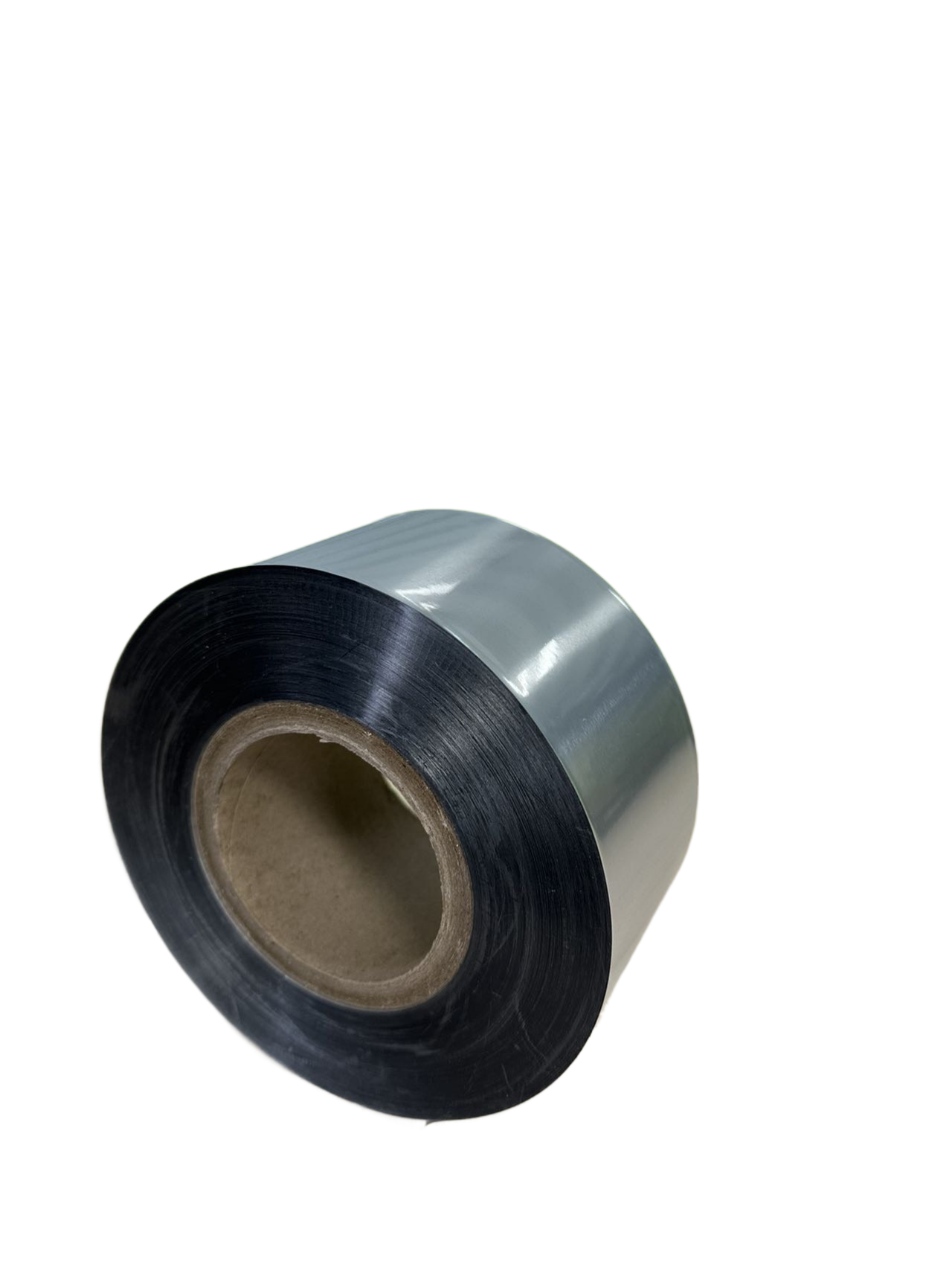
Dairy products—from fresh milk and yogurt to cheese and butter—require packaging that maintains sterility, blocks oxygen, and (in some cases) withstands heat processing. Aluminum roll films are widely used in dairy packaging, particularly for aseptic and retort applications, due to their ability to meet these rigorous demands.
Aseptic packaging is critical for liquid dairy products like milk and UHT (ultra-high temperature) yogurt. In this process, the food is sterilized at 135-150°C for a few seconds, then filled into sterile packaging in a controlled environment. Aluminum roll films used for aseptic packaging typically have a 5-layer structure: PET/Al/PA/PE/PP. The PET and Al layers provide barrier and strength, PA enhances chemical resistance (to lactic acid in yogurt), and PP enables heat sealing at high temperatures. This structure ensures that the product remains sterile and fresh for 6-12 months at room temperature, eliminating the need for refrigeration.
Tetra Pak, a global leader in aseptic packaging, uses aluminum roll films as the core material for its Tetra Brik cartons. The company reports that its Al-based aseptic packaging protects dairy products from oxygen, light, and microorganisms, with over 99% of products reaching consumers without spoilage. In China, Bright Dairy uses Tetra Pak’s aluminum roll film technology for its "room-temperature milk" line, which now accounts for 45% of its total milk sales.
For cheese and butter, which are fatty and sensitive to oxygen, aluminum roll films with a structure of PET/Al/LDPE are preferred. The LDPE layer is soft and conformable, ensuring tight contact with the product to prevent air pockets, while the Al layer blocks oxygen and light. Kraft Foods uses this structure for its Cheddar cheese slices, extending shelf life from 30 days to 90 days and reducing flavor loss by 40%.
Customization options for dairy packaging include: Heat Resistance: PP or EVOH layers for retort applications (withstanding temperatures up to 121°C) or UHT processing.Flexibility: Thinner aluminum layers (6-9 microns) for flexible pouches, ideal for yogurt and cream cheese.Printability: Matte or glossy finishes for brand differentiation—matte finishes are popular for premium dairy products like artisanal cheese.Resealable Features: PE zipper layers for stand-up pouches, allowing consumers to reseal the package after opening (common for yogurt drinks and powdered milk).Case Study: Yili’s Aseptic Yogurt Pouch Yili, China’s leading dairy brand, launched a line of aseptic yogurt pouches in 2024 using a custom aluminum roll film (PET/Al/PA/PE). The film features a 7-micron aluminum layer for barrier, a PA layer for strength, and a PE layer for heat sealing. The pouch is lightweight (20% lighter than traditional cartons) and easy to squeeze, appealing to on-the-go consumers. The aseptic design allows the yogurt to be stored at room temperature for 8 months, and Yili reports that the product has captured 18% of the Chinese yogurt market within its first year of launch.
2.3 Baked Goods and Snacks: Moisture Control and Texture Preservation
Baked goods (e.g., bread, pastries, cookies) and snacks (e.g., chips, nuts, cereal bars) rely on packaging to maintain moisture balance—preventing staleness (from moisture loss) or sogginess (from moisture gain). Aluminum roll films excel at moisture control, while their flexibility and printability make them ideal for retail packaging.
For crispy snacks like potato chips and pretzels, the primary goal is to prevent moisture absorption and oxygen exposure. The recommended aluminum roll film structure is PET/Al/LDPE: PET provides rigidity and printability, Al blocks moisture and oxygen, and LDPE enables a tight seal. This structure maintains a moisture content of less than 3% in the snack, ensuring crispness for 3-4 months. Frito-Lay uses this structure for its Cheetos brand, with a 9-micron aluminum layer and a custom-printed PET outer layer that features the brand’s iconic orange color and logo.
For baked goods like bread and pastries, which require controlled moisture retention, aluminum roll films are often combined with a layer of ethylene vinyl alcohol (EVOH) for enhanced moisture barrier. A common structure is PET/Al/EVOH/PE: EVOH reduces moisture vapor transmission to less than 0.05 g/m²/day, keeping bread fresh for 7-10 days (compared to 3-4 days in paper bags). Panera Bread, a global bakery chain, uses this structure for its take-home bread loaves, reporting a 30% reduction in waste and a 12% increase in customer satisfaction.
For nut and seed products (e.g., almonds, walnuts), which are high in healthy fats and prone to oxidation, aluminum roll films with a high-barrier structure (PET/Al/PA/PE) are used. The PA layer enhances puncture resistance (critical for hard nuts), while the Al layer blocks oxygen to prevent rancidity. Blue Diamond Almonds uses this structure for its roasted almond pouches, extending shelf life from 3 months to 12 months and enabling export to markets in Asia and Europe.
Customization options for baked goods and snacks include: Moisture Barrier Level: EVOH layers for high-moisture products (bread) or standard PE layers for low-moisture products (chips).Bag Style: Stand-up pouches with bottom gussets (for shelf visibility) or flat bags (for cost-effective bulk packaging).Opening Features: Tear notches, zip closures, or easy-peel seals for consumer convenience.Transparent Windows: Small PET windows (without aluminum) to showcase the product, while maintaining overall barrier performance.Case Study: Oreo’s Global Snack Packaging Oreo, the world’s best-selling cookie brand, uses a custom aluminum roll film for its global packaging. The film structure is PET/Al/LDPE, with a 8-micron aluminum layer for barrier and a high-gloss PET layer for vibrant printing. The design features Oreo’s iconic blue color and logo, with multi-lingual text for different markets. The film’s seal strength ensures that the cookies remain fresh during international shipping, and Nabisco (Oreo’s parent company) reports that the aluminum roll film has reduced global waste by 25% compared to previous packaging materials.
aluminum roll films
plastic zipper packages
zipper packages